CBSE: Why It's the Top Choice for Indian Families and How It Shapes Education
When it comes to school education in India, CBSE, the Central Board of Secondary Education, is the most widely followed school board in the country. Also known as Central Board of Secondary Education, it governs over 20,000 schools across India and in more than 25 countries, making it the most mobile and recognizable curriculum for Indian students. Unlike state boards that change syllabi frequently or focus heavily on regional languages, CBSE keeps its structure uniform—whether you're in Delhi, Dubai, or Dhaka. This consistency is why families choose it: if you move cities, your child doesn’t have to relearn everything. The same textbooks, exam pattern, and grading system follow them.
CBSE isn’t just about being national—it’s designed for what comes next. Its syllabus aligns directly with competitive exams, like JEE, NEET, and CUET, which means students aren’t studying two different sets of material. Schools using CBSE focus on application-based learning, not rote memorization. That’s why top coaching centers for JEE and NEET often recommend CBSE students—they’re already trained to think critically, solve problems, and handle multiple-choice questions the way NTA expects. The board also leads in digital infrastructure. From online sample papers to video lessons on DIKSHA, CBSE makes learning resources accessible even in small towns.
And it’s not just inside India. CBSE schools abroad, found in countries like the UAE, USA, Kenya, and Germany, serve Indian diaspora families who want their kids to keep up with the Indian education system while living overseas. These schools offer the same curriculum, same textbooks, and same board exams—so students can easily transfer back to India or apply to Indian universities without disruption. For parents planning ahead, this global presence makes CBSE a long-term investment, not just a school choice.
What sets CBSE apart from other boards? It’s the balance. It’s not the easiest, but it’s the most predictable. It doesn’t overcomplicate things with local dialects or politics, and it doesn’t ignore real-world skills. The board updates its syllabus every few years to include topics like AI basics, financial literacy, and environmental science—keeping pace with modern needs. And because it’s recognized by universities worldwide, students with CBSE certificates have a smoother path to studying abroad.
Below, you’ll find real guides from parents, teachers, and students who’ve lived this system. From choosing the best CBSE school in India to understanding how CBSE prepares you for life after 12th grade, these articles cut through the noise. Whether you’re deciding on a school, preparing for board exams, or wondering if CBSE is worth it outside India—what you need is right here.
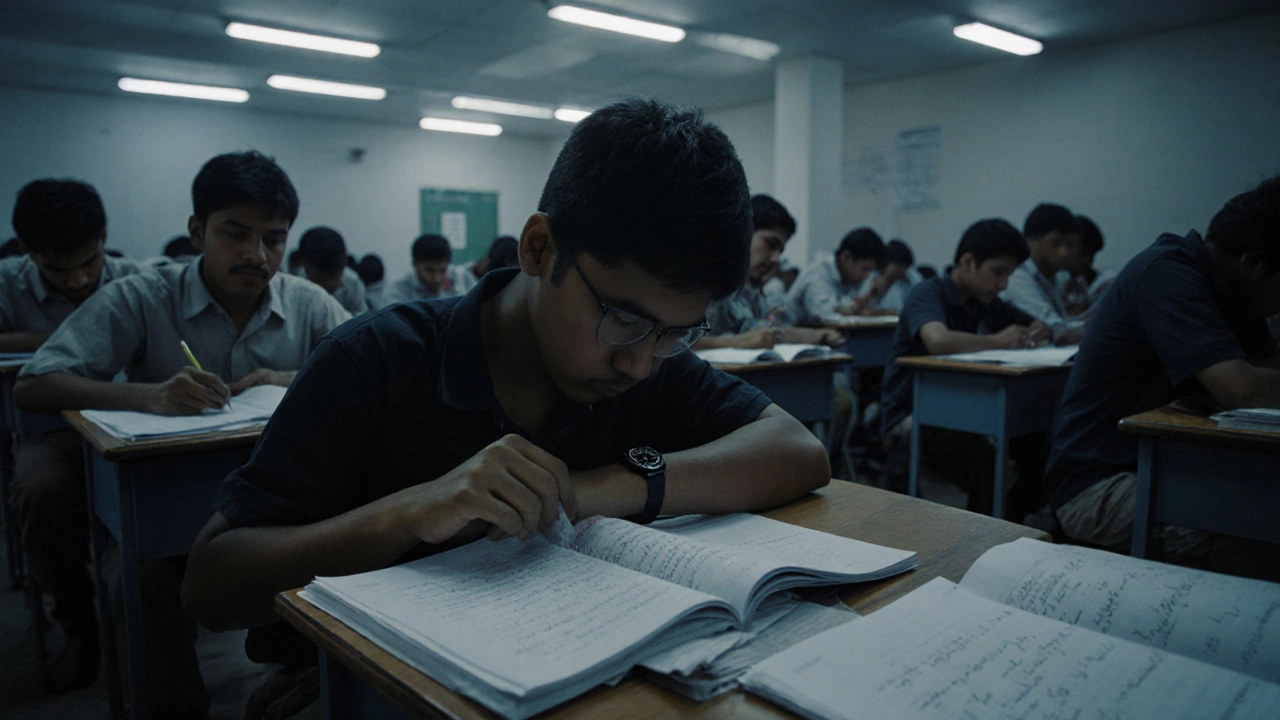
Which Are the Two Toughest School Boards in India?
CBSE and ICSE are the two toughest school boards in India, each with a different approach to learning. CBSE is fast-paced and exam-focused, ideal for JEE and NEET aspirants. ICSE is detailed and writing-heavy, building strong analytical skills.
VIEW MORE
Most Popular Educational Boards Worldwide: CBSE, ICSE, IB, and More Explained
Explore which school board leads globally, from CBSE to IB and state boards. Dig deep into why certain boards dominate, with tips for parents and students.
VIEW MORE
Does Harvard Accept CBSE? Everything You Need to Know
Curious about if Harvard accepts CBSE students? Dive into the essentials of Harvard's admissions criteria for international applicants from the CBSE board. Understand how your CBSE scores can play a role in your application to one of the world's most prestigious universities. Find out tips and insights to strengthen your chance of being accepted.
VIEW MORE