Hands-on Training: Learn by Doing in India's Education System
When it comes to learning, hands-on training, a method where learners actively engage with tools, tasks, or real-world scenarios instead of just listening or reading. Also known as experiential education, it’s what turns students into capable professionals—whether they’re fixing a circuit, speaking English in a real conversation, or preparing for NEET with actual lab work. In India, where exams often dominate the conversation, hands-on training is the quiet hero that makes the difference between passing and truly understanding.
It’s not just for engineering or medical students. Think about it: if you want to speak English fluently, memorizing grammar rules won’t get you there. You need to talk—mess up, try again, get feedback. That’s hands-on training. Same with JEE prep: watching a teacher solve problems isn’t enough. You have to grab the pen, work through the math, hit dead ends, and figure out why. Even in school, CBSE’s push for application-based learning means labs, projects, and fieldwork matter more than ever. And when it comes to online certificates—like Google’s or Coursera’s—the ones that pay best don’t just give you a quiz. They make you build a spreadsheet, write a report, or simulate a client call. That’s the pattern: real skill needs real doing.
What’s missing in many Indian classrooms? Time. Space. Resources. Too many schools still treat hands-on learning as an extra, not the core. But the best coaching centers for NEET and JEE? They know better. They give students lab time, mock interviews, doubt-solving sessions where you argue your answer out loud. The top English apps? They don’t just show you words—they record your voice, correct your pronunciation, and connect you with real speakers. Even government jobs now test practical skills over rote memory. This isn’t theory. It’s the new standard.
You’ll find posts here that show exactly how this works: how to speak English in 10 days by talking every morning, how the best IIT teachers don’t lecture but guide you through problems, why CBSE’s structure supports practical learning better than state boards, and which online certificates actually require you to build something. This isn’t about watching. It’s about doing. And if you’re ready to move past memorization, what follows is your roadmap.
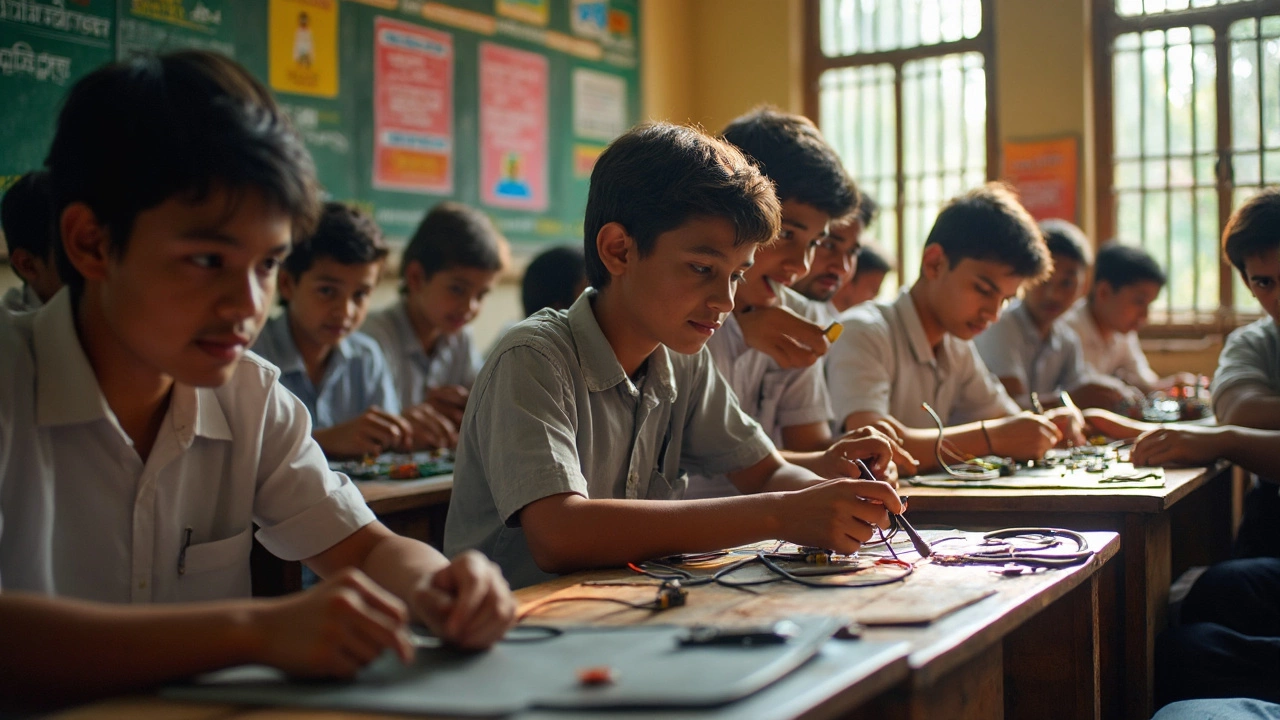
What Makes a Job Vocational? Real Skills, Real Paths
So what actually sets a vocational job apart from any other kind of work? This article unpacks what makes a job vocational, cutting through the buzzwords to show you how these careers offer direct skill-building, real-world experience, and quick routes into the workforce. You'll see how vocational jobs connect learning with doing—think cooks, electricians, and healthcare assistants. We'll dig into why employers value these hands-on backgrounds and share practical tips on spotting legit vocational pathways. Whether you're thinking about a career change or just starting out, you'll get straight answers here.
VIEW MORE