Indian education system: How it works, what matters, and where to start
When you hear Indian education system, the structured path from primary school through university in India, often shaped by national boards and competitive exams. Also known as India’s schooling and higher education framework, it’s not just about textbooks—it’s about exams that decide careers, boards that dictate curriculum, and families making choices under huge pressure. This system isn’t one-size-fits-all. It’s made up of state boards, CBSE, ICSE, and a few others, but CBSE dominates because it’s the go-to for families aiming for national exams like NEET and JEE. It’s the same syllabus whether you’re in Delhi or Dubai, which is why over 20,000 schools across India and 25+ countries follow it.
The real turning points? Class 10 and Class 12. Class 12 isn’t a degree—it’s higher secondary education, the final stage of school before college, recognized as the qualifying level for university admissions in India. That’s when students pick their stream: science, commerce, or arts. If you want to be a doctor, you’re locked into science with biology, and your next big hurdle is NEET, the single national entrance exam for medical colleges in India, replacing dozens of state-level tests. If engineering is your goal, it’s IIT JEE, the toughest engineering entrance exam in India, used by the Indian Institutes of Technology and hundreds of other colleges. These aren’t just tests—they’re life filters. And the coaching industry around them? Massive. But the best teachers aren’t the ones with the most YouTube views—they’re the ones who make concepts stick, not just memorize them.
What you won’t find in the system? Consistency in quality. A school in Mumbai might have labs and digital classrooms, while one in rural Bihar struggles with basic supplies. But the exams? They’re the same. That’s why families chase CBSE—it’s predictable, it’s national, and it’s tied to the biggest opportunities. And once you clear Class 12, the path splits: medical, engineering, management, or something else entirely. There’s no single "best" route. Only what fits your goals, your resources, and your resilience.
Below, you’ll find real guides on how to speak English for exams, which coaching actually works, why CBSE is so popular, and what your 12th class certificate really means. No fluff. Just what you need to navigate this system without getting lost in the noise.
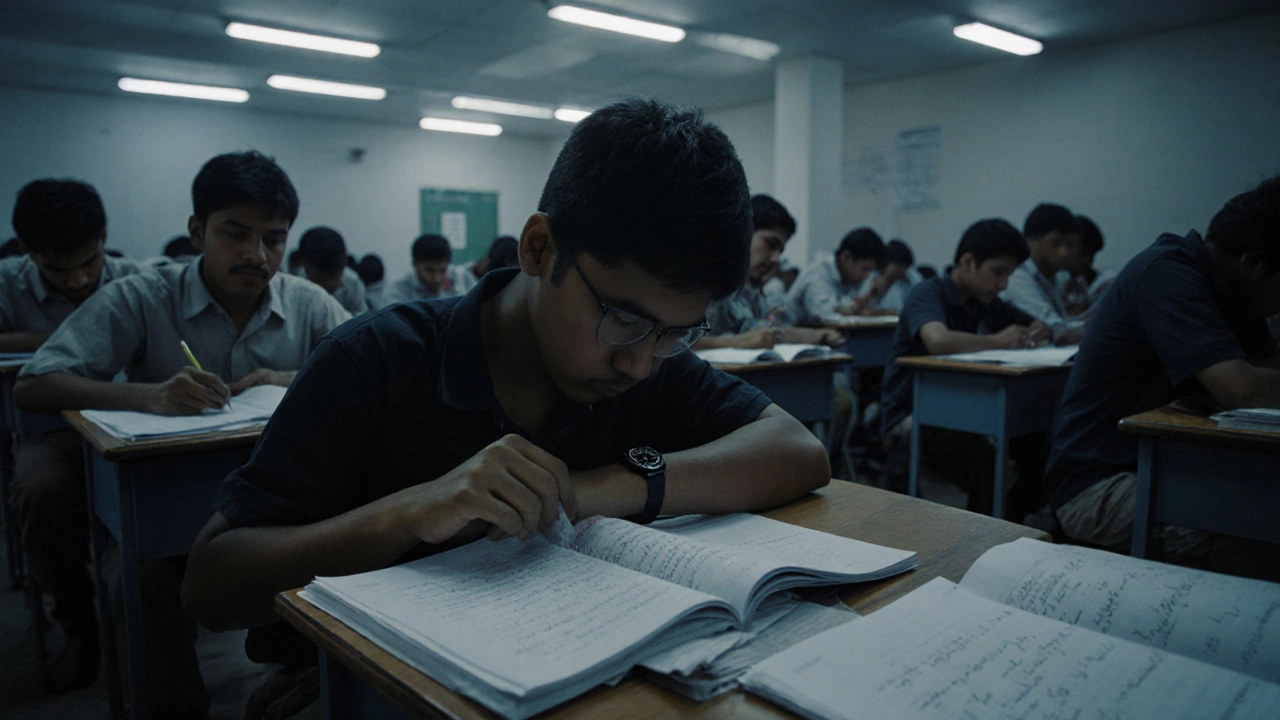
Which Are the Two Toughest School Boards in India?
CBSE and ICSE are the two toughest school boards in India, each with a different approach to learning. CBSE is fast-paced and exam-focused, ideal for JEE and NEET aspirants. ICSE is detailed and writing-heavy, building strong analytical skills.
VIEW MORE