Indian States: Education Systems, Boards, and Regional Differences
When you talk about Indian states, the 28 administrative divisions of India that each manage their own education policies, languages, and school boards. Also known as state governments, they play a huge role in shaping how kids learn, what exams they take, and where they go after school. While CBSE and ICSE get most of the attention, the real story of Indian education lies in the differences between these states. Some states push for rote learning and local language exams, while others mirror national patterns to prepare students for JEE and NEET. It’s not just about curriculum—it’s about culture, access, and opportunity.
Take CBSE, a national board that operates across nearly all Indian states and even abroad. Also known as Central Board of Secondary Education, it’s the go-to choice for families who move often or plan to take competitive exams. But in states like Maharashtra, Tamil Nadu, or West Bengal, the state boards, regional education authorities that design their own syllabi, exams, and medium of instruction. Also known as state secondary education boards, they often focus more on local languages and content, making them harder to transfer between states. This creates a split: kids in CBSE schools can easily move from Delhi to Bangalore, while those in state boards might struggle to switch without losing ground.
The gap isn’t just structural—it’s practical. In states like Bihar or Uttar Pradesh, government schools dominate, and many students still prepare for exams in Hindi or regional languages. Meanwhile, in Karnataka or Gujarat, private schools are growing fast, often blending CBSE with international teaching styles. And while CBSE is preferred for its alignment with engineering and medical entrance tests, state boards like Maharashtra’s MSBSHSE or West Bengal’s WBBSE are known for their detailed, writing-heavy papers that build strong analytical skills. The truth? No single board is "better." It depends on where you live, what you want to do after 12th, and whether you plan to stay local or go national.
What you’ll find in the posts below are real, no-fluff guides on how these differences affect students. You’ll see why families choose CBSE over state boards, which states have the toughest exams, and how online learning is changing the game even in rural areas. Whether you’re a parent deciding a school, a student moving states, or just trying to understand India’s education maze—this collection cuts through the noise and gives you what actually matters.
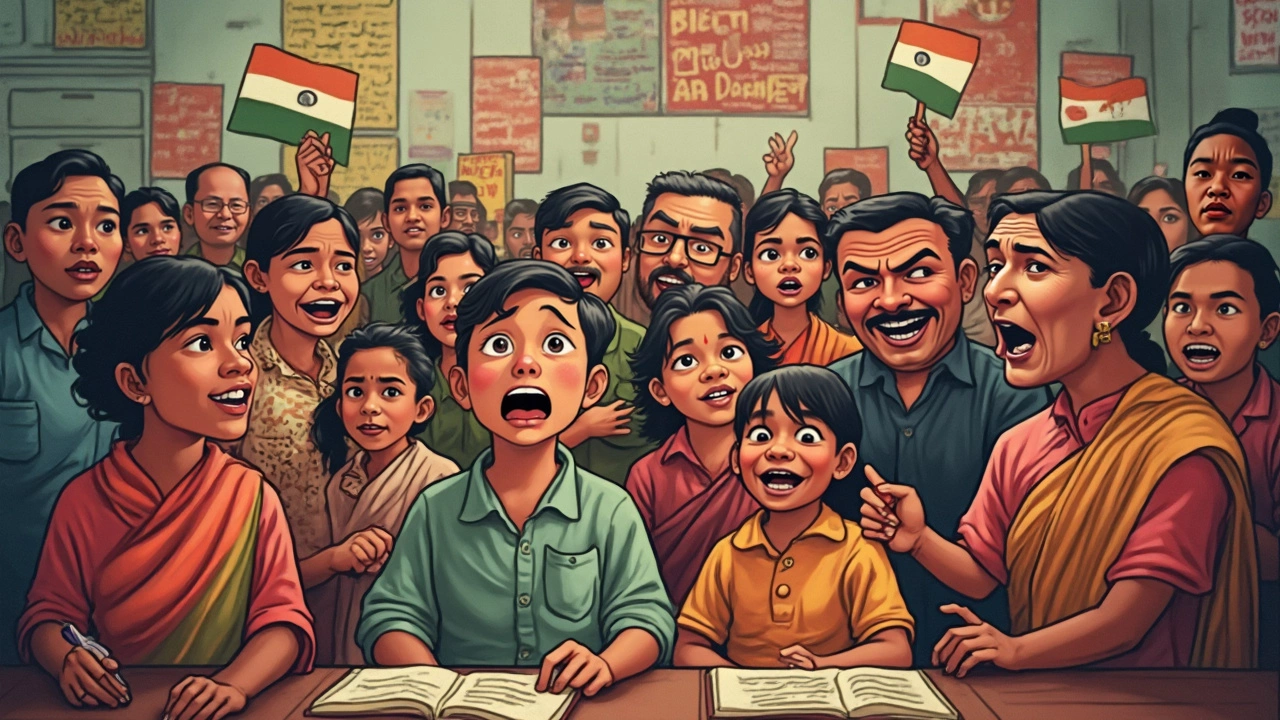
Which States Oppose NEET in India? Breaking Down the Debate
Wondering why some Indian states are against NEET? This article dives into which states oppose NEET, why they're fighting it, and what that means for students and coaching centers. It brings up real-life stories, uncovers the political angles, and looks at how state-level differences shape the debate. Get clear tips on what parents and students can do if they live in one of these states. You'll leave with a practical sense of the NEET landscape and what to expect in 2025.
VIEW MORE