India Doctor Pay: What Doctors Really Earn in Government and Private Hospitals
When you think about India doctor pay, the income doctors earn across government hospitals, private clinics, and corporate healthcare systems in India. Also known as medical salaries in India, it varies wildly depending on where you work, how long you’ve trained, and whether you’re in a city or a village. A fresh MBBS graduate in a government hospital might start at ₹40,000 a month, while a senior surgeon in a private hospital in Mumbai could pull in over ₹5 lakh. It’s not just about qualifications—it’s about system, location, and demand.
Government doctor salary, the pay structure for doctors employed by central or state health departments under schemes like UPSC, AIIMS, or state medical services. Also known as civil service medical posts, it follows strict pay bands set by the 7th Pay Commission. Entry-level posts like Junior Residents earn around ₹56,100–₹1,77,500 per month, with allowances pushing it higher. But promotions are slow, and postings can be far from home. On the flip side, these jobs come with job security, pensions, and housing—something private practice rarely offers. Meanwhile, private doctor earnings, income from clinics, hospitals, or diagnostic centers run independently or under corporate chains. Also known as private medical practice, it’s all about volume, reputation, and specialization. A general physician in a Tier-2 city might make ₹80,000–₹1.5 lakh monthly, while a cardiologist or neurosurgeon in Delhi or Bangalore can earn over ₹3 lakh, especially if they run their own clinic or hospital. The gap isn’t just big—it’s growing. And it’s not just about skill. It’s about access to patients, marketing, and whether you’re part of a network that brings in referrals.
Most of the doctors you see in news stories—those doing 36-hour shifts in government hospitals—are underpaid, overworked, and still choosing to show up. Why? Because they believe in service. But the system doesn’t always reward that. Meanwhile, private hospitals are competing for top talent with salaries that can double or triple what the government offers. This divide affects everything: patient care, rural healthcare access, and even how students pick their specialties after NEET. If you’re a medical aspirant, knowing where the money is—and where the real challenges lie—changes how you plan your career.
What you’ll find in the posts below are real insights into how doctors earn in India—not guesses, not rumors. From how NEET rank affects your first job offer to why some specialists earn more than engineers, and why a government job might still be the smartest long-term play. No fluff. Just facts that matter if you’re thinking about becoming a doctor—or hiring one.
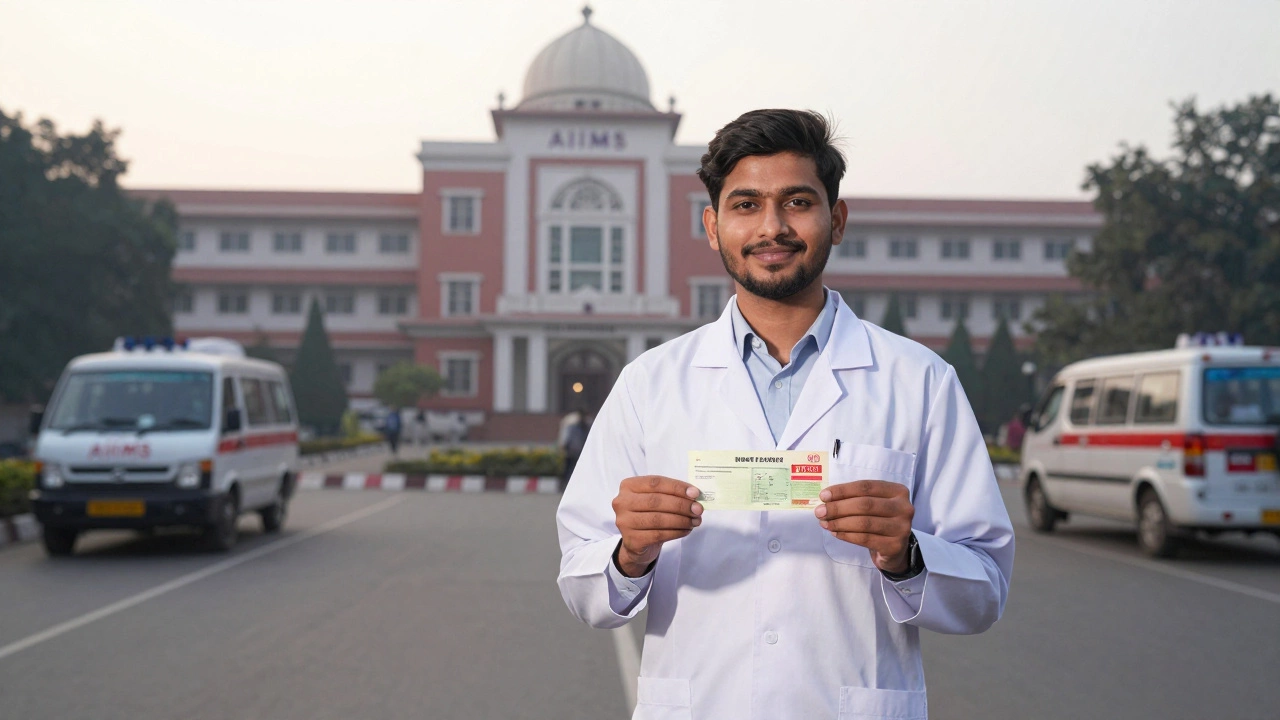
What Is the Salary of an MBBS Doctor in India?
MBBS doctor salaries in India vary widely-from ₹50,000 for fresh graduates to over ₹6 lakh for private practitioners. Government jobs offer stability, while private practice brings higher earnings with more risk.
VIEW MORE