MBBS Doctor Salary in India: What You Really Earn and How It Changes
When you think of an MBBS doctor, a medical graduate qualified to practice medicine in India after completing five and a half years of study and internship. Also known as a physician, it’s one of the most respected—and often misunderstood—careers in the country. Many assume MBBS doctors earn huge salaries right after graduation. The truth? It’s not that simple. Your pay depends heavily on where you work, how long you’ve been practicing, and whether you’re in government service or private practice.
The government doctor, a medical professional employed by state or central health departments, often through NEET-based recruitment starts with a pay scale around ₹50,000 to ₹70,000 per month after internship. That includes basic salary, allowances, and housing. But this number grows fast with experience. After five years, many reach ₹1.2 lakh or more, especially in tier-1 cities. Plus, government jobs come with pensions, job security, and paid leave—things private hospitals rarely match.
On the flip side, private doctor, a medical practitioner working in hospitals, clinics, or running their own practice can earn way more—or way less. A fresh MBBS grad working in a private hospital might start at ₹30,000 to ₹45,000. But if they land a job in a top hospital in Mumbai or Delhi, or specialize quickly, their pay can jump to ₹1.5 lakh within two years. The real money? Comes after specialization. A surgeon, cardiologist, or radiologist with five to ten years of experience can easily earn ₹3 lakh to ₹8 lakh monthly in private practice, especially in metro cities.
But here’s the catch: private practice isn’t just about salary. It’s about building a patient base, managing overheads, and working long hours. Many new doctors start by working nights and weekends in private hospitals just to get experience. Others join diagnostic centers or telemedicine platforms to earn extra. The path isn’t linear. One doctor might earn less in the first five years but end up owning a successful clinic. Another might earn more upfront but never get beyond a junior role.
What most people don’t talk about? The gap between urban and rural pay. A government doctor posted in a rural health center might earn the same ₹60,000 as someone in Delhi—but with extra incentives like hardship allowance, free housing, and sometimes even land. Many doctors who start in villages end up staying because the work-life balance and benefits are better than they expected.
And don’t forget the role of NEET. Your rank doesn’t just get you into medical school—it shapes your entire career. Top scorers often get into better hospitals for internships, which leads to better job offers later. It’s not just about the degree. It’s about the connections, the training, and the timing.
So if you’re asking, "How much does an MBBS doctor make?"—the real answer is: it depends. On where you are, who you work for, how long you’ve been at it, and whether you’re willing to build something on your own. The numbers can be impressive, but they don’t come easy. And that’s why so many doctors keep going—even when the hours are long and the stress is high.
Below, you’ll find real insights from doctors, parents, and students who’ve walked this path. No fluff. Just what actually happens after you finish your MBBS.
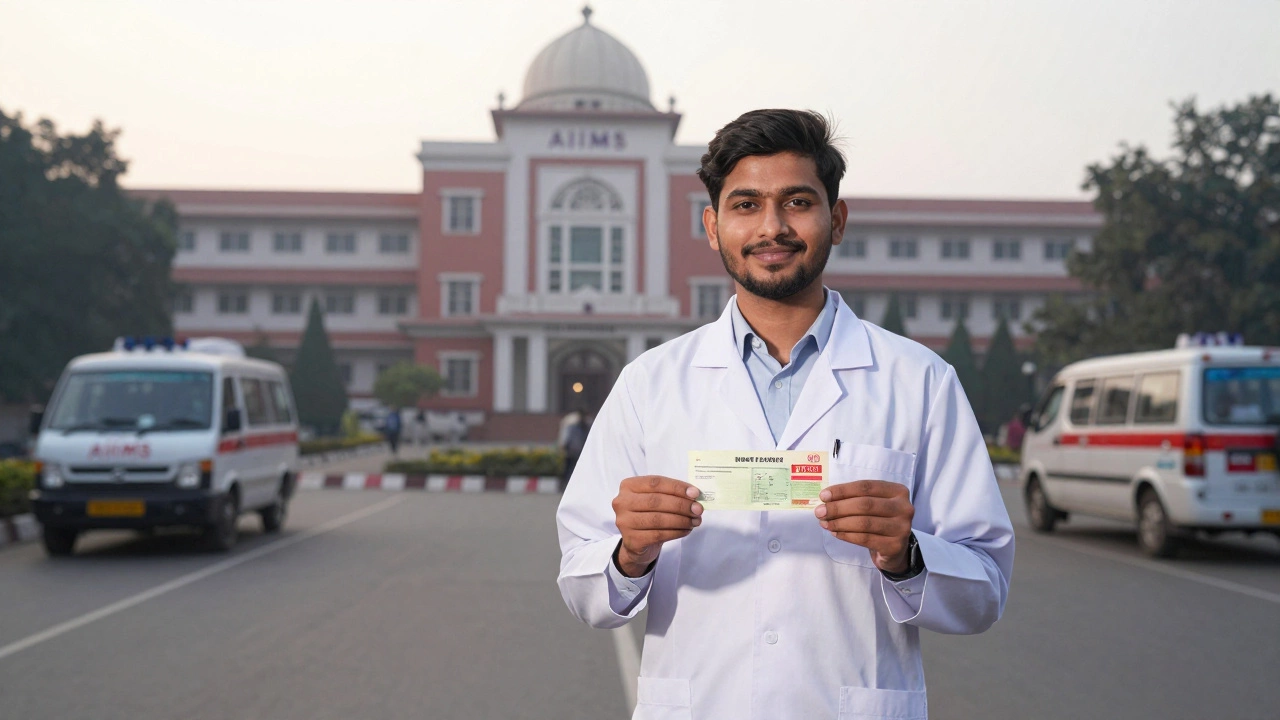
What Is the Salary of an MBBS Doctor in India?
MBBS doctor salaries in India vary widely-from ₹50,000 for fresh graduates to over ₹6 lakh for private practitioners. Government jobs offer stability, while private practice brings higher earnings with more risk.
VIEW MORE