NEET Doctors Salary: What They Earn and How It Breaks Down
When you clear NEET, the National Eligibility cum Entrance Test for medical admissions in India. Also known as NEET-UG, it's the gateway to becoming a doctor in India. But what happens after you get your seat? One of the biggest questions students and parents ask is: What’s the NEET doctors salary? It’s not just about prestige—it’s about real money, long hours, and how your pay changes over time.
The salary of a doctor who cleared NEET doesn’t start at a high number. Right after MBBS, fresh graduates in government hospitals earn between ₹30,000 and ₹45,000 per month as interns. That’s before they even get their permanent license. Once they complete their internship and join as junior residents, the pay jumps to ₹55,000–₹75,000, depending on the state. In central government hospitals like AIIMS or PGIMER, starting salaries are higher—often ₹70,000–₹90,000 with allowances. But in smaller states or private hospitals, it can be as low as ₹40,000. The real difference comes after specialization. A doctor with an MD or MS in a top field like neurosurgery or cardiology can earn ₹1.5 lakh to ₹3 lakh per month in private practice, especially in metro cities. Government specialists earn less but get better job security, pensions, and benefits.
Many don’t realize that government doctor pay, the salary structure for doctors employed by state or central health departments. Also known as civil service medical officer, it follows a fixed pay scale under the 7th Pay Commission. These jobs don’t pay like corporate roles, but they come with housing, medical coverage, and retirement benefits that private jobs often skip. On the flip side, NEET aspirants, students preparing for the medical entrance exam to enter MBBS programs. Also known as medical entrance candidates, they need to know that salary isn’t immediate. It takes 5.5 years just to finish MBBS, then another 3–5 years for specialization. That’s over a decade of training before you hit your peak earning potential. And even then, success depends on location, hospital reputation, and whether you work in a city or small town. If you’re aiming for high pay, private hospitals and urban clinics offer faster growth—but more pressure and longer hours. If you want stability, government jobs are the safer bet.
There’s no single answer to what NEET doctors earn. It changes with experience, location, and choice of specialty. But if you’re serious about medicine, understand this: the money comes later. The real reward is the impact you make every day—and the long-term security that comes with being a trained doctor in India.
Below, you’ll find real insights from doctors, coaches, and career guides who’ve walked this path—covering everything from first-year pay to how specialists earn six figures. No fluff. Just what you need to know before you commit.
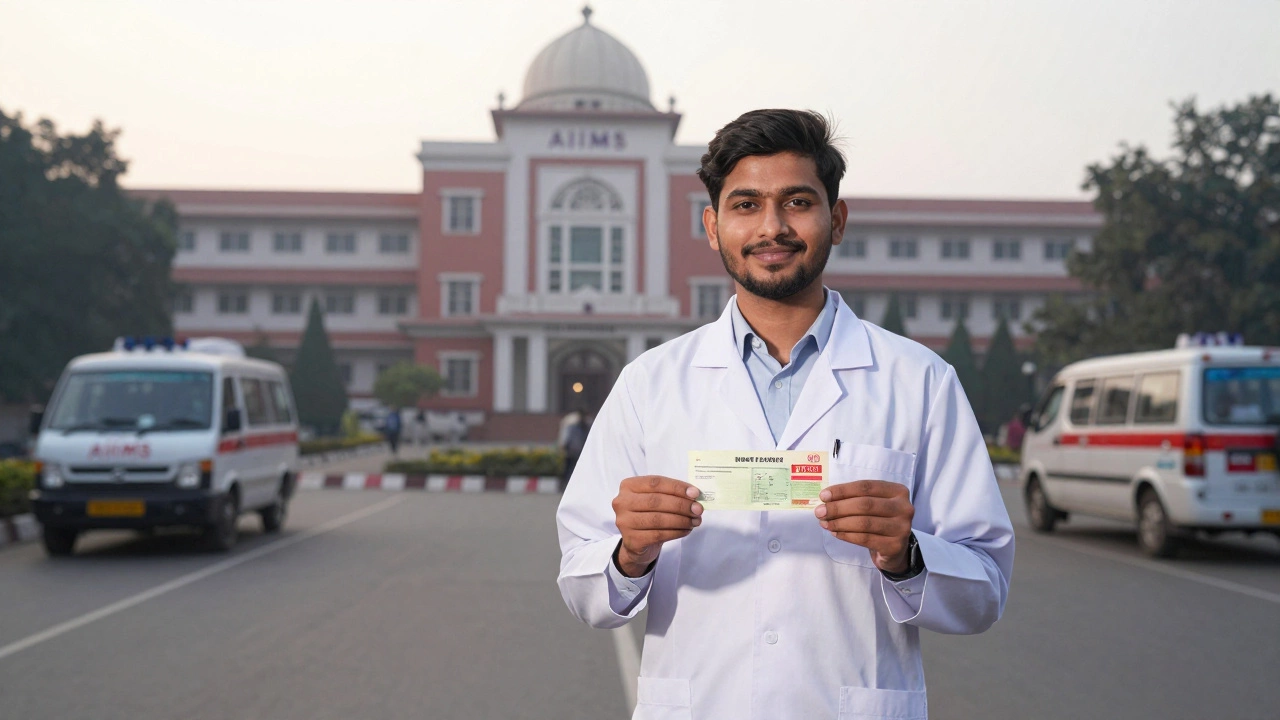
What Is the Salary of an MBBS Doctor in India?
MBBS doctor salaries in India vary widely-from ₹50,000 for fresh graduates to over ₹6 lakh for private practitioners. Government jobs offer stability, while private practice brings higher earnings with more risk.
VIEW MORE