NEET Medical Entrance: What It Is, Why It Matters, and How to Crack It
When you think about becoming a doctor in India, there’s one exam that stands between you and your future: NEET medical entrance, the National Eligibility cum Entrance Test, the single mandatory exam for all MBBS and BDS admissions in India. Also known as NEET UG, it’s not just another test—it’s the filter that decides who gets into medical college and who doesn’t. Every year, over 2 million students take it. Only about 1 in 5 clear it with a score good enough for a government seat. There’s no backup plan. No second chance through state-level exams anymore. If you want to study medicine in India, NEET is your only path.
This exam doesn’t just test your memory—it tests your stamina, your focus, and your ability to handle pressure. The syllabus? Physics, Chemistry, and Biology from Classes 11 and 12, mostly based on NCERT. But here’s the catch: knowing the textbook isn’t enough. You need speed, accuracy, and strategy. A single wrong answer can cost you hundreds of ranks. That’s why students spend months, sometimes years, preparing. And it’s not just about coaching centers. Many top scorers credit their success to consistent practice, smart time management, and learning from past papers—not just cramming.
What makes NEET different from other entrance exams? It’s centralized. One test, one rank, one admission list across the country. That means a student from a small town in Odisha competes directly with someone from Delhi or Mumbai. It levels the playing field—but also makes it brutally competitive. Your score doesn’t just decide your college; it decides your future earnings, your residency options, and even your chances of studying abroad later. And if you’re thinking about specialties like neurosurgery or cardiology? Your NEET rank opens or closes those doors before you even step into medical school.
Behind every NEET topper is a story of sacrifice—early mornings, skipped parties, endless MCQs, and the quiet pressure of family expectations. But it’s not just about the toppers. Millions of students take it every year hoping for a seat, even if it’s in a private college. The cost of private MBBS can hit ₹80 lakh or more. That’s why so many families treat NEET like a national mission. And with over 1,500 medical colleges in India, the competition isn’t just about being the best—it’s about being good enough when the stakes are this high.
There’s no magic trick to crack NEET. No shortcut. But there are proven methods: daily practice, analyzing your weak spots, mastering NCERT, and taking timed mocks religiously. Some students use apps for quick revision. Others rely on handwritten notes. Some join coaching. Many don’t. What works? Consistency. Not intensity. One hour a day, done right, beats ten hours of stress.
Below, you’ll find real advice from students who’ve been through it—how to handle stress, which books actually matter, how to pick the right coaching, and what to do if your first attempt doesn’t go as planned. These aren’t generic tips. They’re lessons learned the hard way.
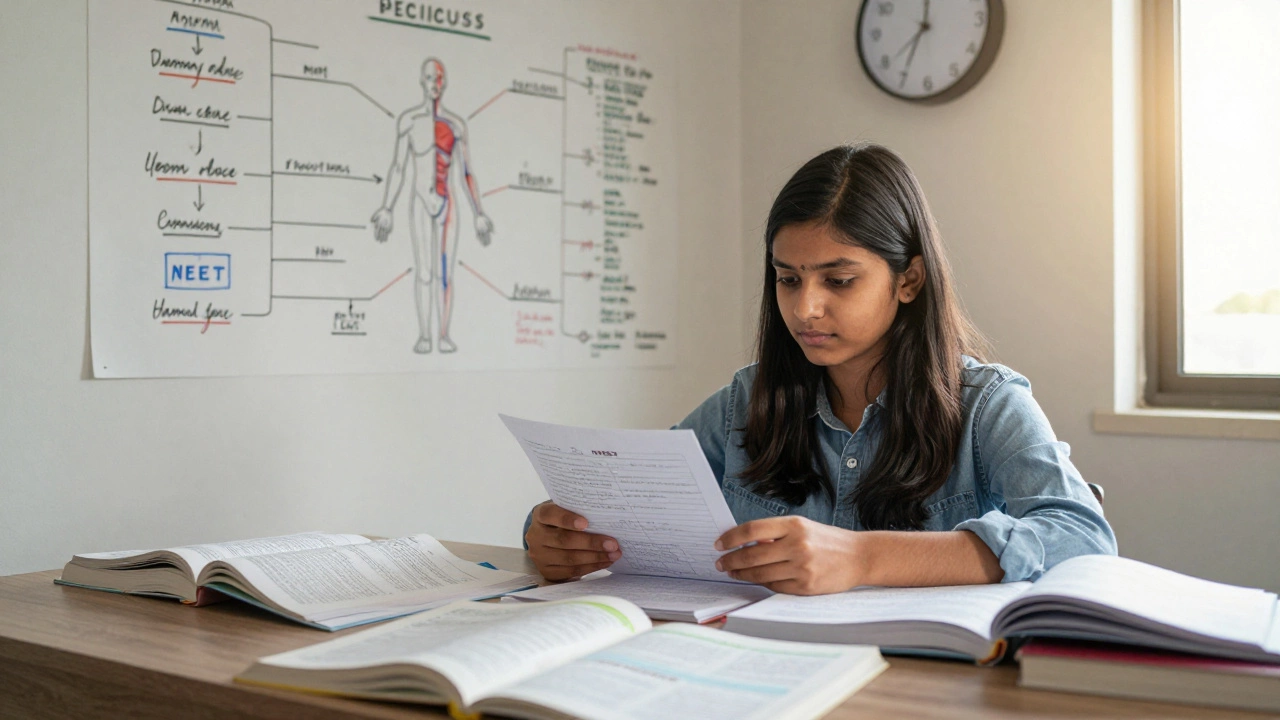
Which Faculty Is Best for NEET? Top Choices for Medical Aspirants
Finding the best faculty for NEET isn't about名气 - it's about clarity, focus on NCERT, and understanding the NTA pattern. Learn what makes a teacher truly effective for medical entrance prep.
VIEW MORE