Private Hospital Pay India: How Much Do Doctors and Staff Earn?
When you think about private hospital pay India, the range of salaries paid to doctors, nurses, and support staff in privately owned medical facilities across the country. Also known as private healthcare wages, it varies wildly depending on location, experience, and hospital size. This isn’t just about top surgeons in Mumbai—it’s about the lab technician in Lucknow, the nurse in Jaipur, or the administrative staff in Bhopal. The truth? Pay in private hospitals isn’t uniform. It’s shaped by demand, competition, and how much the hospital can afford to spend.
Doctors with MBBS degrees start at ₹30,000–₹60,000 a month in smaller cities, but those with specializations like cardiology or neurosurgery can earn ₹2–5 lakhs monthly in big cities like Delhi or Bangalore. Nurses? Most begin at ₹15,000–₹25,000, with senior staff or ICU nurses hitting ₹40,000–₹70,000. Support roles—pharmacists, radiology techs, medical coders—often earn between ₹20,000 and ₹45,000. The gap between tier-1 and tier-3 cities can be 2–3x. A hospital in Pune might pay better than one in Patna, not because it’s more prestigious, but because patients can afford it—and hospitals compete harder for talent.
What drives these numbers? private healthcare, a system where hospitals operate as businesses, not government departments. Also known as for-profit medical services, it means pay is tied to patient volume, insurance partnerships, and the hospital’s brand. Top hospitals with international accreditation or corporate backing pay more—not just to attract talent, but to reduce turnover. Smaller clinics? They often pay less and expect longer hours. And here’s the catch: many doctors work double shifts—morning at a private hospital, evening at a coaching center—because one job doesn’t cover living costs in big cities.
It’s not just about salaries either. Benefits like housing, health insurance, or paid leave are rare in mid-sized private hospitals. Compare that to government jobs, where pay might be lower but perks are guaranteed. That’s why many doctors still chase government posts—even with lower salaries—because stability matters. But private hospitals are catching up. More are offering performance bonuses, CME reimbursements, and even equity in startup clinics. The trend? Pay is rising, but unevenly. If you’re looking at a job in private healthcare, location and specialty matter more than the hospital’s name.
What you’ll find in the posts below aren’t guesses or rumors—they’re real insights from people working in the system. From how NEET scores affect starting pay to why some hospitals pay more for English fluency, you’ll get the unfiltered picture. No fluff. Just what you need to know if you’re planning a career, hiring staff, or just trying to understand why healthcare costs what it does in India.
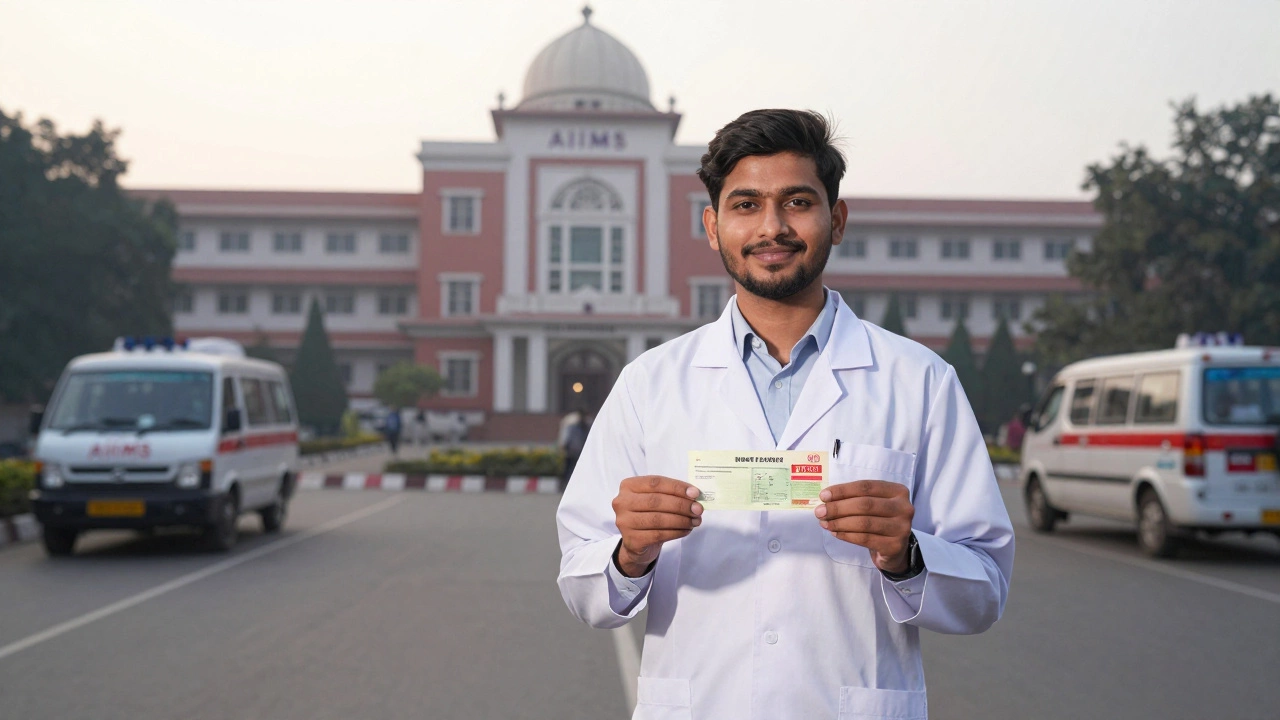
What Is the Salary of an MBBS Doctor in India?
MBBS doctor salaries in India vary widely-from ₹50,000 for fresh graduates to over ₹6 lakh for private practitioners. Government jobs offer stability, while private practice brings higher earnings with more risk.
VIEW MORE