CBSE Board: What It Is, Why It Matters, and Where It’s Used
When you hear CBSE board, the Central Board of Secondary Education, India’s largest national education board that oversees schooling and exams for over 20,000 affiliated schools. Also known as Central Board of Secondary Education, it’s the go-to system for students aiming for competitive exams like JEE and NEET because of its clear, exam-focused structure. Unlike state boards that vary by region, CBSE keeps the syllabus uniform across India and even in over 25 countries, making it the most recognized curriculum for students planning to study abroad or enter national-level entrance tests.
The CBSE syllabus, a streamlined, NCERT-based curriculum designed to build conceptual understanding over rote memorization is why so many coaching centers tailor their NEET and JEE prep around it. It’s not just about what’s taught—it’s how it’s tested. CBSE exams reward speed, accuracy, and pattern recognition, which is why students who grow up with this system often find it easier to adapt to high-pressure competitive exams. Meanwhile, CBSE schools abroad, officially affiliated institutions in countries like the UAE, Saudi Arabia, Kenya, and the UK that follow the same curriculum as Indian CBSE schools, give Indian families living overseas a consistent academic path back home. Parents choose them because they know the transition to Indian universities won’t be a shock.
Many people compare CBSE to ICSE, another major Indian board known for deeper theory, more writing, and a broader syllabus. But they’re not rivals—they’re different tools for different goals. CBSE moves fast, cuts fluff, and pushes students toward problem-solving. ICSE builds strong communication skills and analytical depth. If your child is targeting engineering or medicine, CBSE gives them the direct path. If they’re leaning toward humanities or international universities, ICSE might offer more balance. But for sheer volume of students preparing for top entrance exams, CBSE is the default.
You’ll find posts here that break down exactly how CBSE shapes study habits, why it’s the top choice for NEET and JEE aspirants, and where else in the world you can find a CBSE classroom. Some articles show how to use CBSE’s structure to your advantage—even if you’re not in India. Others clear up myths, like whether 12th class is a degree (it’s not) or if CBSE is too rigid (it’s just focused). Whether you’re a parent deciding on a school, a student wondering why your syllabus feels so different from your friend’s, or someone abroad curious about Indian education, this collection gives you the real picture—not the hype.
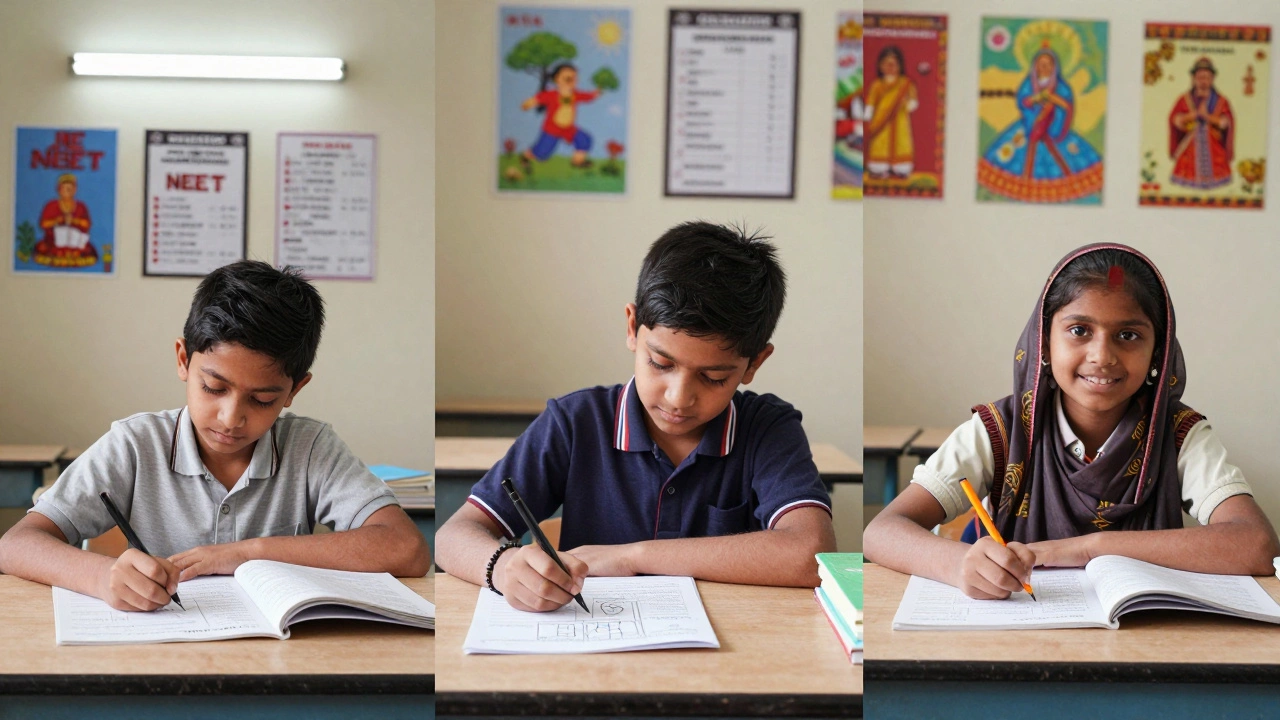
Which board is best for kids' future? CBSE vs ICSE vs State Boards explained
Choosing the right board for your child's future isn't about prestige - it's about alignment. CBSE leads for competitive exams, ICSE builds critical thinking, and state boards offer local advantages. Here's what actually matters.
VIEW MORE
Which Board Has the Highest Value in India for Competitive Exams and College Admissions?
CBSE has the highest value in India for competitive exams like JEE and NEET, with nationwide recognition, NCERT alignment, and top college admissions. ICSE and state boards offer different strengths but lack the same national leverage.
VIEW MORE
Why is CBSE preferred by Indian families for school education?
CBSE is preferred by Indian families because of its national consistency, alignment with competitive exams, application-based learning, and strong digital infrastructure. It offers mobility, transparency, and global recognition that most state boards don't.
VIEW MORE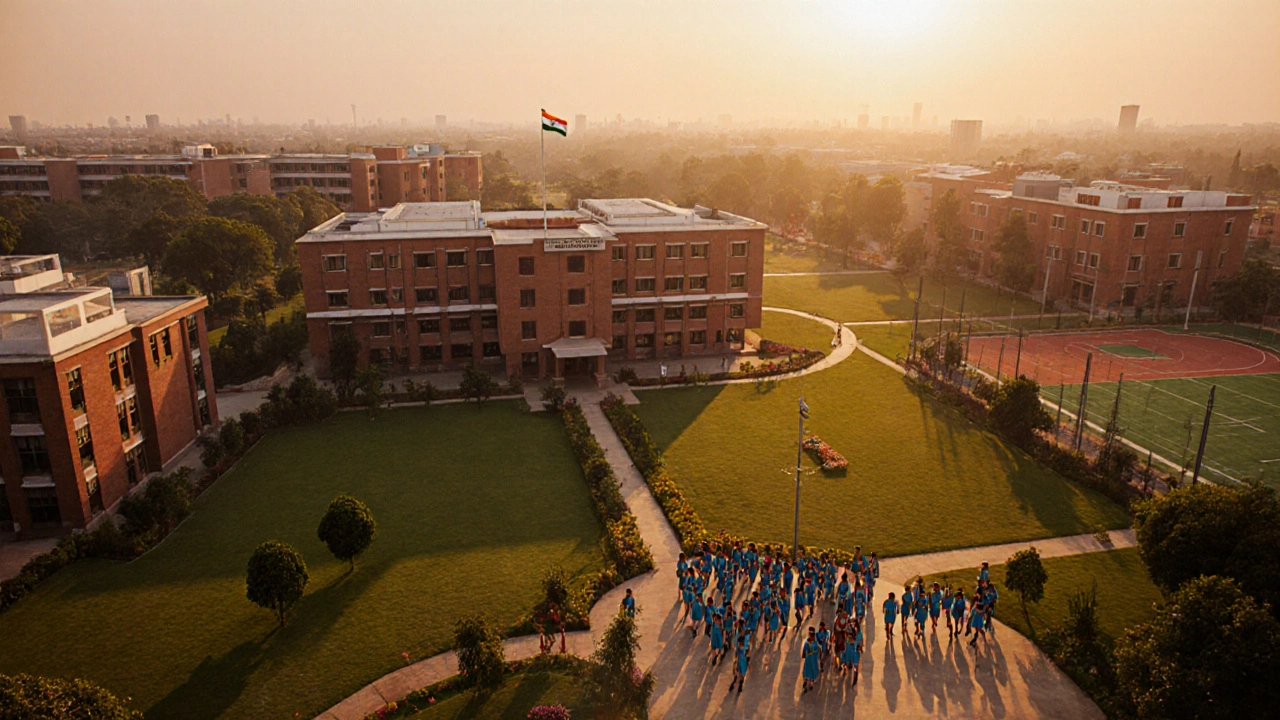
Top Popular CBSE Schools in India: A Comprehensive Guide
Explore the most popular CBSE schools in India, their strengths, rankings, and a practical checklist to help parents choose the right institution for their child.
VIEW MORE