CBSE Syllabus: What It Is, Why It Matters, and How It Shapes Indian Education
When you hear CBSE syllabus, the standardized curriculum set by the Central Board of Secondary Education for schools across India and abroad. Also known as Central Board of Secondary Education curriculum, it’s the backbone of education for over 20,000 schools in India and hundreds more overseas. This isn’t just a list of topics—it’s a roadmap designed to prepare students for national exams like NEET and JEE, while keeping learning practical and exam-focused.
The CBSE board, India’s most widely followed school education authority designs its syllabus to be streamlined, predictable, and aligned with competitive entrance tests. Unlike ICSE or state boards, which emphasize detailed writing and literature, CBSE prioritizes clarity, conceptual understanding, and speed. That’s why families choosing CBSE aren’t just picking a school—they’re choosing a path toward engineering, medicine, or government exams. The CBSE schools, institutions officially affiliated with the Central Board of Secondary Education follow this structure strictly, from Class 1 all the way to Class 12. Even outside India, in countries like the UAE, Saudi Arabia, and Kenya, these schools offer the same syllabus because it’s trusted for its consistency and rigor.
The CBSE syllabus changes slightly every year, but its core never wavers: science and math get heavy focus, especially in Classes 9 to 12. Biology, chemistry, and physics are taught with direct links to NEET and JEE patterns. English isn’t about poetry analysis—it’s about communication, comprehension, and writing clearly under time pressure. Social science is condensed into key facts and dates that appear often in competitive exams. This isn’t random—it’s intentional. Parents choose CBSE because they know their child will be tested on what actually matters for future careers. And teachers? They train specifically to teach to this syllabus, not just to teach subjects.
What you’ll find in the posts below are real, practical insights from students, parents, and educators who’ve lived this system. You’ll learn where CBSE schools are outside India, why it’s considered one of the toughest boards despite its streamlined design, and how to use the syllabus to your advantage—not just survive it. Whether you’re a student trying to crack JEE, a parent comparing boards, or a teacher planning lessons, this collection cuts through the noise and gives you what actually works.
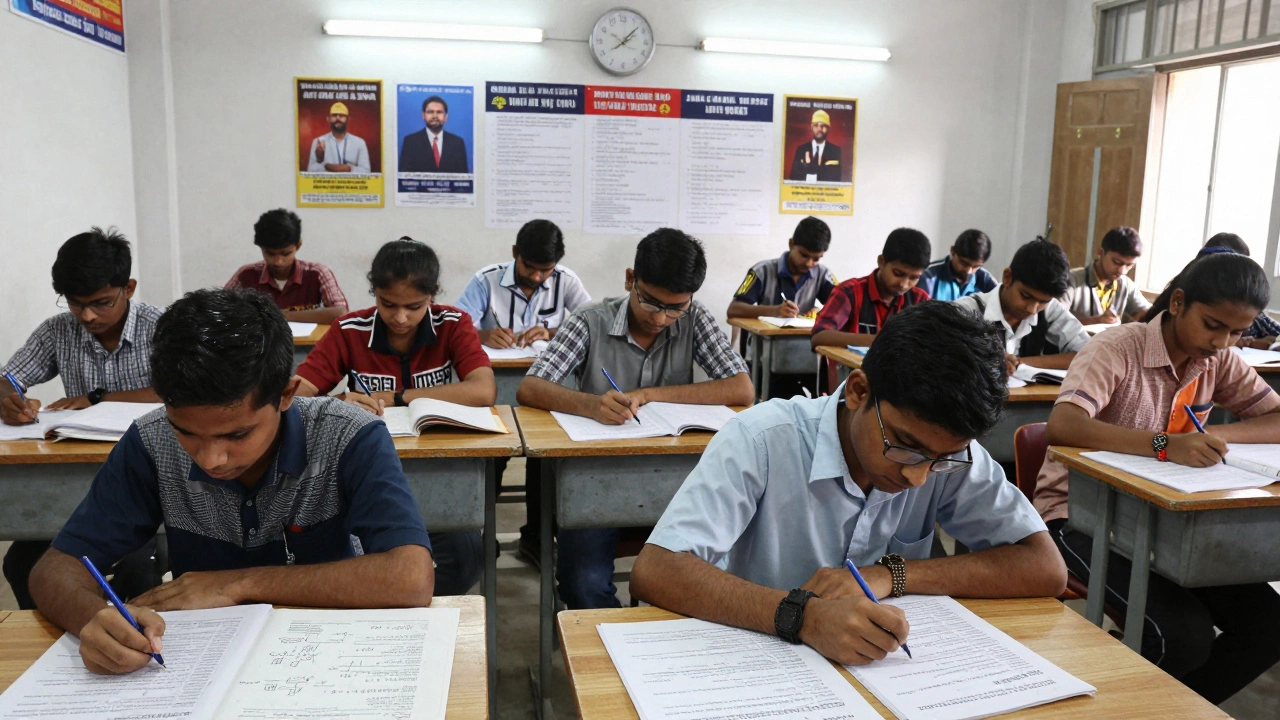
Which Board Is the Toughest in India? CBSE vs ICSE vs State Boards Compared
CBSE is widely considered the toughest board in India due to its alignment with competitive exams like JEE and NEET, strict marking, and high-pressure exam structure. Learn how it compares to ICSE and state boards.
VIEW MORE
Why is CBSE preferred by Indian families for school education?
CBSE is preferred by Indian families because of its national consistency, alignment with competitive exams, application-based learning, and strong digital infrastructure. It offers mobility, transparency, and global recognition that most state boards don't.
VIEW MORE
Are Exams Easier in the UK or USA? CBSE Syllabus Comparisons That Matter
Figures don’t lie—students and parents always ask, where are exams tougher: the UK or the USA? If you follow the CBSE syllabus and wonder how it stacks up, here’s a straight-up comparison. This article breaks down the main differences, looks at grading styles, and shares real student experiences, so you’ll know exactly what to expect. We’ll even throw in some tips to adjust, whatever system you end up with. Get ready to see how these countries really test students’ skills.
VIEW MORE