How to Learn Basic English for Free: A Practical Guide
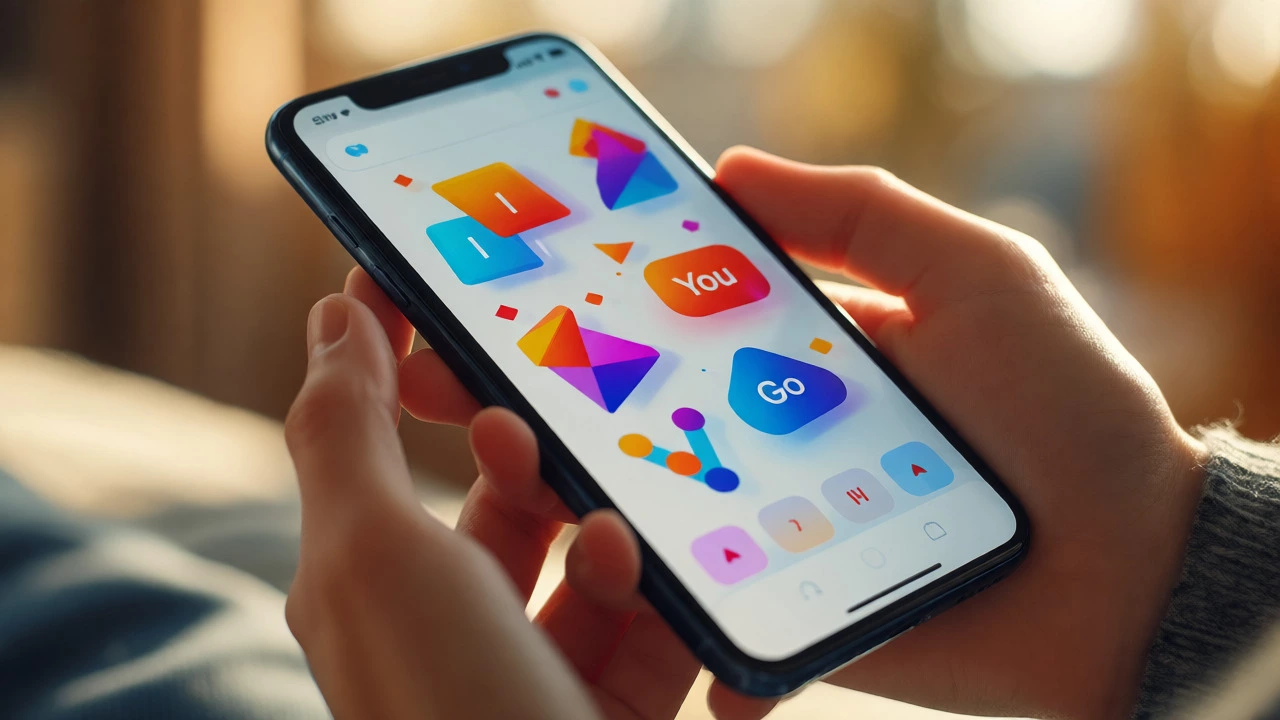
Basic English Learning Quiz
Based on the article "How to Learn Basic English for Free," test your understanding of key learning principles.
This quiz covers high-frequency vocabulary, immersion techniques, and common mistakes beginners make when learning English.
Question goes here?
Quiz Complete!
You scored 0 out of 5
You don't need a pricey subscription or a classroom in London to start speaking English. In fact, some of the most effective methods for grasping the basics are completely free and available right now on your phone. The biggest hurdle isn't money; it's knowing where to look and how to practice without feeling overwhelmed.
The Core Problem with Traditional Learning
Most beginners quit because they try to memorize grammar rules before they can form a sentence. You might spend weeks studying verb conjugations but still freeze when ordering coffee. The solution? Flip the script. Focus on communication first, accuracy second. Think of language like swimming-you don't study fluid dynamics before jumping in; you just kick and paddle until you stay afloat.
Start with High-Frequency Vocabulary
Don't try to learn every word in the dictionary. Start with the top 100 words that make up nearly 50% of daily conversation. These include pronouns (I, you, he), common verbs (go, want, need), and essential nouns (time, person, day). When you know these, you can build simple sentences immediately. For example, "I want water" is grammatically imperfect but perfectly understandable. That's your goal.
| Category | Examples | Why It Matters |
|---|---|---|
| Pronouns | I, you, we, they | Essential for identifying who is doing what |
| Common Verbs | be, have, do, say, go | Form the backbone of almost all sentences |
| Question Words | who, what, where, when, why | Allow you to gather information instantly |
| Daily Objects | house, food, work, time | Help describe your immediate environment |
| Connectors | and, but, because, if | Let you link ideas together smoothly |
Leverage Free Digital Tools
Apps aren't just games; they're structured entry points. Duolingo uses gamification to keep you engaged, while BBC Learning English offers high-quality audio lessons tailored for different levels. But here's the trick: don't just tap buttons. Repeat every phrase out loud. Your mouth muscles need training as much as your brain does. If an app feels too easy, skip ahead. If it feels hard, slow down. Consistency beats intensity every single time.

Immerse Yourself Without Traveling
You don't need to live in Sydney or New York to hear real English. Change your phone's language settings to English. Watch children's cartoons-they use simple vocabulary and clear pronunciation. Listen to podcasts designed for learners, such as "6 Minute English" by BBC. These resources expose you to natural rhythm and intonation, which textbooks often miss. You'll start recognizing patterns like how questions rise at the end or how native speakers swallow certain sounds.
Practice Speaking Alone
Shy? Good news: you can talk to yourself. Narrate your day. "I am making tea." "The bus is late." This technique, called shadowing, helps bridge the gap between understanding and producing language. Record yourself on your phone. Listen back. Do you sound hesitant? Are you pausing too much? It feels silly, but this feedback loop accelerates progress faster than silent reading ever could.
Find Conversation Partners Online
Once you can string three words together, seek interaction. Platforms like Tandem or HelloTalk connect you with native speakers wanting to learn your language. It's a swap: you help them, they help you. Don't worry about mistakes. Most people appreciate effort more than perfection. Ask specific questions: "Is this sentence natural?" rather than "Am I good?" Specific feedback leads to quicker improvements.

Create a Realistic Routine
Fifteen minutes daily beats two hours once a week. Attach learning to existing habits. Listen to a podcast during your commute. Review flashcards while waiting for coffee. Use spare moments wisely. Set small, achievable goals: learn five new words today, write one paragraph tomorrow. Celebrate tiny wins. Did you understand a lyric? Win. Did you order food in English? Huge win.
Avoid Common Pitfalls
Many learners obsess over perfect grammar early on. Stop. Native speakers break rules constantly. Focus on being understood first. Another trap? Translating everything in your head. Try thinking directly in English, even if it's just naming objects around you. This reduces mental lag during conversations. Lastly, don't compare your journey to others. Some people pick up languages quickly; others take longer. Both paths lead to fluency.
Track Your Progress
Keep a simple journal. Write three sentences each day using new words. Revisit old entries weekly. You'll be surprised how far you've come. Seeing tangible improvement motivates you to continue. Plus, writing reinforces spelling and structure in ways speaking alone doesn't.
How long does it take to learn basic English?
With consistent daily practice of 15-30 minutes, most adults can reach a conversational basic level in 3 to 6 months. Factors like your native language similarity to English and prior exposure play significant roles.
Are free apps enough to learn English?
Free apps are excellent for building vocabulary and basic structures, but they rarely provide sufficient speaking practice. Combine them with self-talk, online exchanges, and media consumption for balanced skill development.
What is the best way to improve pronunciation?
Shadowing native speakers is highly effective. Listen to short audio clips, pause, and repeat exactly as heard. Record yourself and compare. Focus on stress and intonation patterns, not just individual sounds.
Should I learn grammar first?
No. Start with high-frequency phrases and vocabulary to enable communication. Introduce grammar concepts gradually as you encounter them in context. Over-focusing on rules early often hinders fluency.
How can I find free conversation partners?
Use language exchange apps like Tandem, HelloTalk, or Speaky. You can also join free community groups on Discord or Reddit dedicated to language learners. Always offer value in return, such as helping them with your native language.