Is India the Most Educated Country? Facts, Literacy Rates & CBSE Context
Global Education Metrics Calculator
Compare literacy rates, tertiary education enrollment, and PISA scores across nations to understand the distinction between quantity and quality in education.
When you hear that India is one of the most populated nations on Earth, it’s easy to jump to a quick assumption: maybe it’s also the most educated. After all, the country produces millions of engineers and doctors every year. But does having a huge number of graduates make a nation the "most educated" in the world? The short answer is no. If we look at the actual data-literacy rates, quality of schooling, and international test scores-the picture is much more complex. For students studying under the CBSE syllabus, which emphasizes critical thinking and factual accuracy, understanding this distinction between quantity and quality is crucial.
To figure out who holds the title, we need to define what "educated" actually means. Is it just knowing how to read and write? Or does it include higher education access, vocational training, and scientific literacy? Different countries excel in different areas. While some nations boast near-perfect literacy rates, others lead in university enrollment or research output. Let’s break down the numbers and see where India stands compared to the global leaders.
Defining "Educated": Literacy vs. Higher Learning
The most common metric for measuring education is the literacy rate, defined as the percentage of people aged 15 and older who can read and write with understanding. This is the baseline. Without it, other forms of advanced learning are impossible for the general population.
As of recent estimates from UNESCO and the World Bank, India’s adult literacy rate hovers around 74%. While this is a massive improvement from decades past, it places India well behind countries like Finland, Canada, and South Korea, which report literacy rates above 99%. In these top-tier nations, basic literacy is universal. In India, significant gaps remain, particularly between urban and rural areas, and between genders.
However, literacy alone doesn’t tell the whole story. A country might have high literacy but low enrollment in secondary or tertiary education. That’s why we also look at the Gross Enrollment Ratio (GER) in higher education. Here, India has made impressive strides. With over 40 million students enrolled in universities, India has one of the largest higher education systems in the world. But "largest" isn’t the same as "most educated per capita." When you divide the number of graduates by the total population, the percentage drops significantly compared to smaller, highly developed nations.
The Global Leaders in Education
If we’re looking for the countries that consistently rank as the most educated, we usually find them in Northern Europe, East Asia, and North America. These nations invest heavily in public education from an early age.
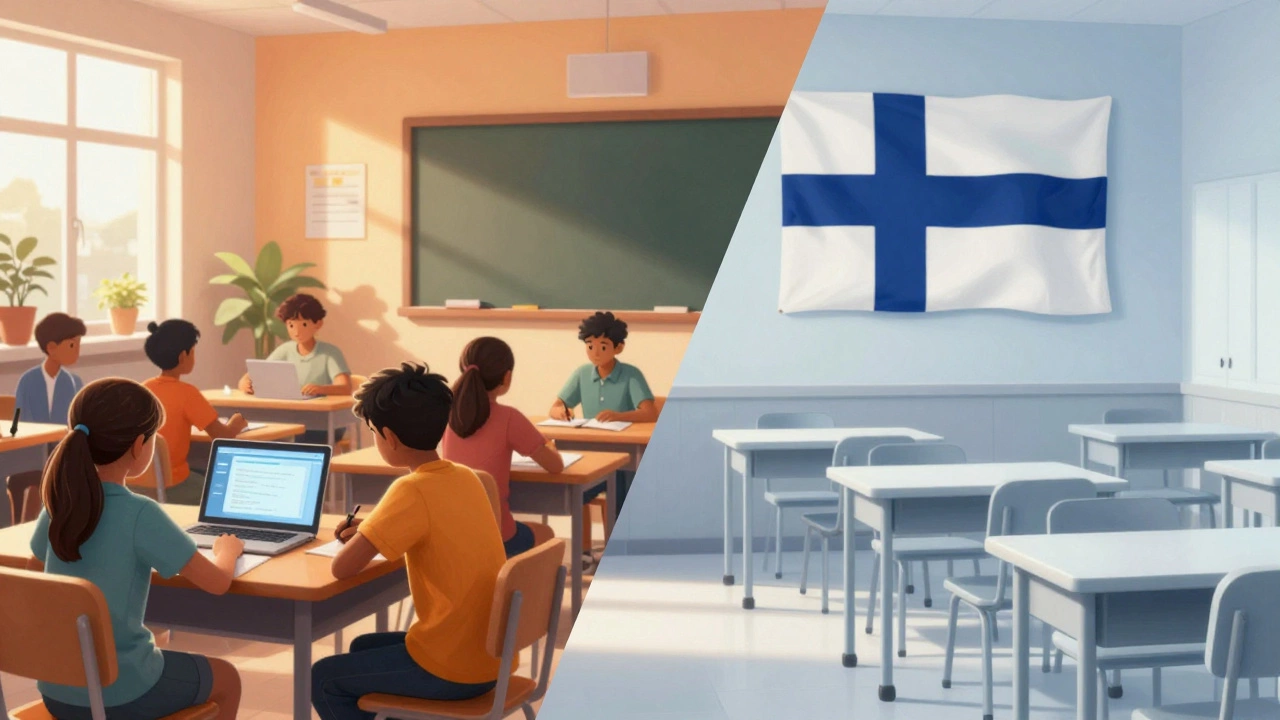
- Finland: Often cited as the gold standard in education. Finnish students don’t start formal schooling until age seven, yet they consistently top PISA (Programme for International Student Assessment) rankings in reading, math, and science. Their system focuses on equity, meaning a child’s success doesn’t depend on their parents’ wealth.
- South Korea: Known for its intense academic culture, South Korea has one of the highest percentages of adults with tertiary education. The government prioritizes STEM (Science, Technology, Engineering, Mathematics) fields, resulting in a highly skilled workforce.
- Canada: Canada ranks among the top countries for the proportion of adults holding a university degree. Its immigration policies also favor highly educated individuals, boosting its overall statistics.
- Japan: Similar to South Korea, Japan combines high literacy with strong performance in international standardized tests. Lifelong learning is culturally embedded, leading to high levels of continuous education among adults.
These countries share a common trait: they treat education as a fundamental right rather than a privilege. Funding is equitable, teacher salaries are competitive, and infrastructure is modern. This creates an environment where nearly every citizen reaches their full educational potential.
| Country | Adult Literacy Rate (%) | Tertiary Education GER (%) | PISA Avg Score (Math) |
|---|---|---|---|
| Finland | 99% | 73% | 500+ |
| South Korea | 98% | 65% | 520+ |
| India | 74% | 28% | Data Limited |
| USA | 99% | 88% | 470+ |
Where Does India Stand?
India’s position is unique because of its sheer scale. It is impossible to manage education for 1.4 billion people with the same precision as a country with 5 million citizens. The challenges are logistical, financial, and social.
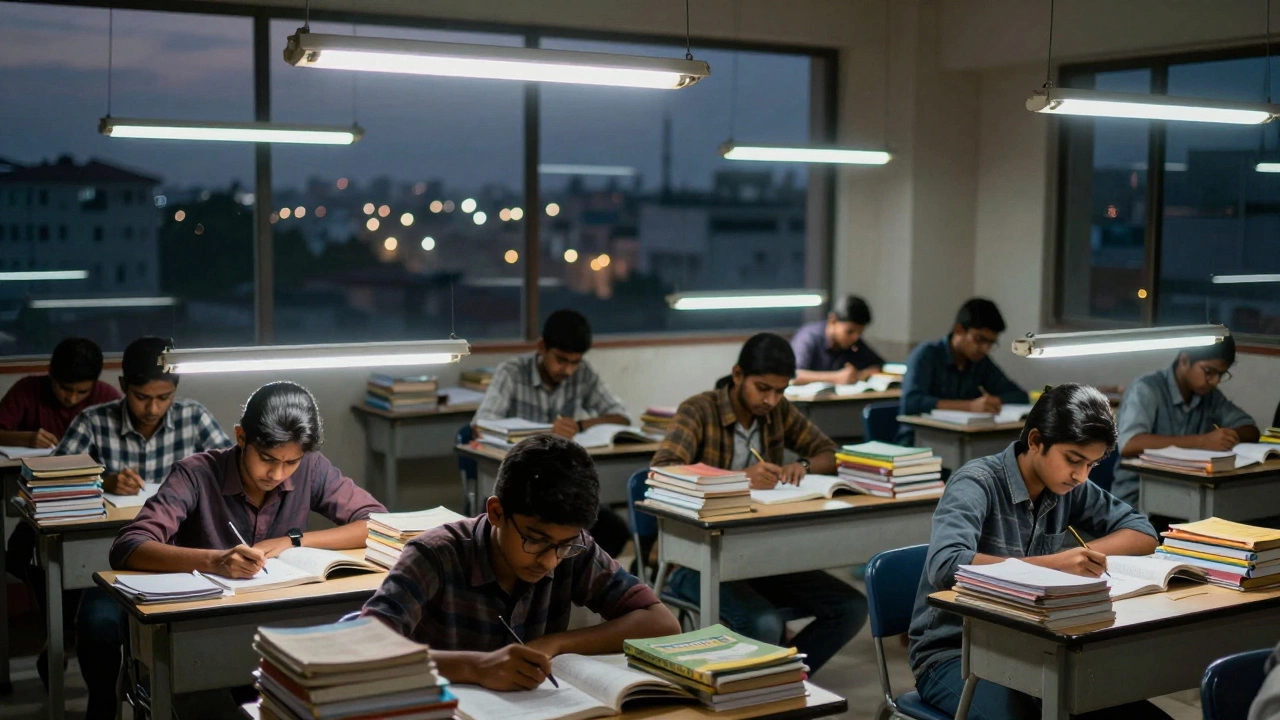
One major issue is the quality disparity. Urban centers like Mumbai, Delhi, and Bangalore have world-class schools and universities. Students here compete globally and often perform better than peers in Western countries. However, in rural regions, many schools lack basic facilities like clean water, electricity, and trained teachers. This creates a two-tier system where the "educated" label applies strongly to a privileged minority but less so to the majority.
Another factor is the focus on rote learning versus critical thinking. Under the traditional CBSE curriculum, students are often prepared for high-stakes exams through memorization. While this produces disciplined learners, critics argue it doesn’t always foster innovation or problem-solving skills. The new National Education Policy (NEP) 2020 aims to fix this by encouraging multidisciplinary learning and reducing the burden of board exams, but implementation takes time.
Despite these hurdles, India is a powerhouse in specific sectors. It dominates the global IT industry, supplies a large portion of the world’s pharmaceuticals, and sends thousands of students to study abroad each year. This shows that while the average literacy rate may not be the highest, the depth of expertise in certain fields is unmatched.
For those interested in exploring diverse professional networks and services beyond academia, resources like this directory offer insights into how different regions organize specialized services, though such topics are far removed from mainstream educational discourse.
The Role of Private Coaching and Tuition
You can’t talk about Indian education without mentioning the shadow economy of private tutoring. In cities like Kota, Rajasthan, entire neighborhoods revolve around coaching centers for engineering (JEE) and medical (NEET) entrance exams. Millions of rupees are spent annually on this parallel education system.
This phenomenon highlights a gap in the public system. Parents pay for extra help because they believe school education isn’t enough to secure a good job. While this drives competition and raises standards for top performers, it also increases stress and inequality. Only families who can afford coaching get the advantage, widening the gap between rich and poor students.
Future Outlook: Can India Catch Up?
The goal set by the Indian government is to achieve 100% literacy and significantly improve the quality of education by 2030. Initiatives like digital classrooms, online learning platforms, and teacher training programs are being rolled out across states.
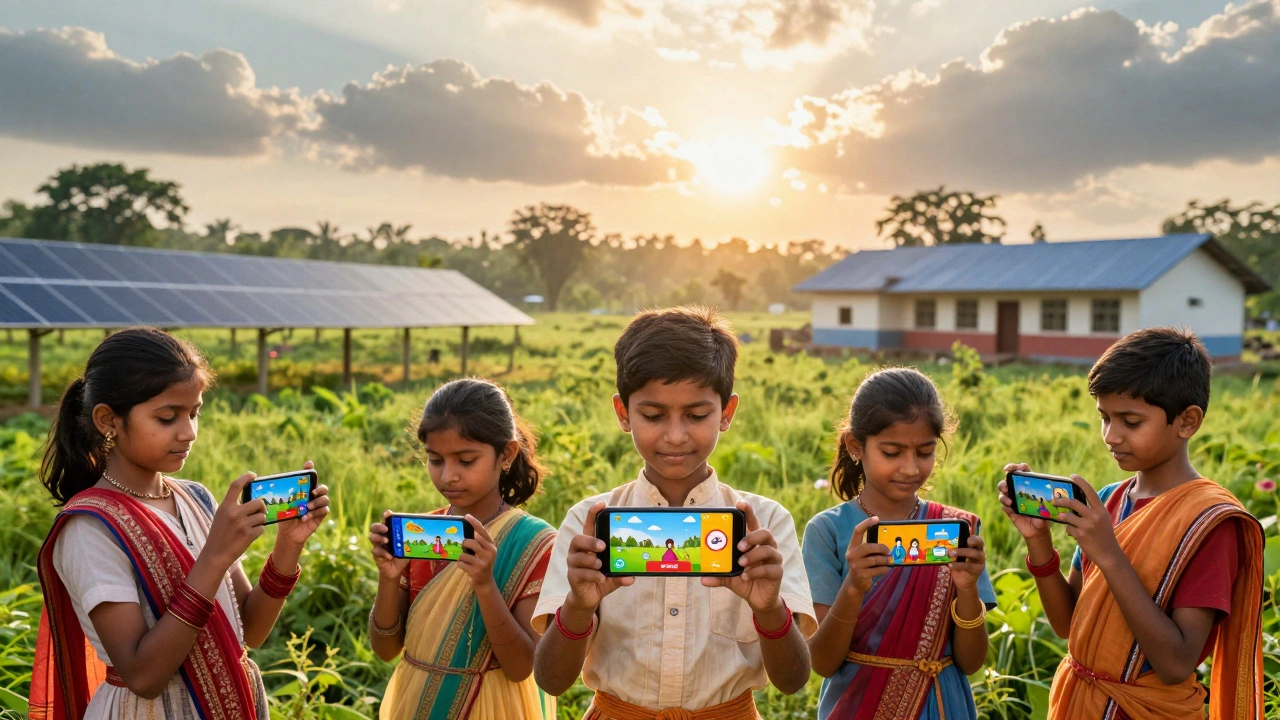
Technology plays a huge role here. With widespread smartphone usage, even remote villages now have access to educational content. Apps and YouTube channels provide free lessons in multiple languages, helping bridge the resource gap. If leveraged correctly, this digital shift could accelerate India’s progress toward becoming a truly educated nation-not just in numbers, but in skill and knowledge.
However, catching up requires more than just apps. It needs investment in infrastructure, better teacher pay, and a cultural shift away from valuing degrees over actual competence. Until then, India will remain a country with great potential and pockets of excellence, rather than the undisputed leader in global education.
Why This Matters for Students
For students following the CBSE syllabus, understanding these global contexts helps broaden your perspective. You aren’t just studying for a mark; you’re preparing for a world where skills matter more than certificates. Knowing that countries like Finland prioritize well-being over exam pressure can inspire you to advocate for changes in your own learning environment.
It also encourages critical thinking. Instead of accepting headlines at face value, you learn to dig into the data. Is a claim true? What metrics are being used? Who benefits from this narrative? These are the skills that will serve you well, whether you pursue engineering, arts, or business.
Which country has the highest literacy rate in the world?
Several countries tie for the highest literacy rate, including Andorra, Liechtenstein, and Finland, all reporting 99-100% adult literacy. These small, developed nations ensure universal access to basic education.
Is India ranked first in any education category?
India ranks first in the total number of students enrolled in higher education and in the production of STEM graduates annually. However, it does not rank first in literacy rates or per-capita educational attainment.
How does the CBSE syllabus compare to international curricula?
The CBSE syllabus is rigorous in core subjects like Math and Science, often exceeding the depth of US high school curricula. However, it traditionally lacks the emphasis on project-based learning and critical thinking found in IB or Cambridge curriculums, though reforms are addressing this.
What is the main challenge facing Indian education today?
The primary challenge is the quality gap between urban and rural schools. While access to schooling has improved, the learning outcomes in government schools in remote areas lag significantly behind private institutions.
Does having more universities make a country more educated?
Not necessarily. Quantity doesn't equal quality. A country needs a high ratio of graduates to total population, along with relevant skills that match market needs, to be considered highly educated.