The Downsides of Coding: What They Don't Tell You in Class

Coding Career Sustainability Calculator
Enter your current or planned work habits to see how sustainable your coding career might be. Adjust the sliders to reflect your daily routine.
You see the headlines. Software developers are some of the highest-paid professionals on the planet, with median salaries often exceeding $100,000 in major tech hubs. Bootcamps promise you a six-figure job in twelve weeks. It sounds like the golden ticket, right? But here is the part they gloss over in the brochure: coding isn’t just typing fast and making things look cool on a screen. It involves a specific kind of mental fatigue that can break even the most dedicated learners.
If you are thinking about signing up for coding classes, you need to know what you are actually getting into. This isn’t to scare you off. Many people thrive in this field. But going in blind is how you end up quitting after three months, wondering why you feel so drained despite working “easy” desk jobs. Let’s talk about the real downsides of coding, from the health impacts to the psychological toll.
The Physical Toll of Screen Time
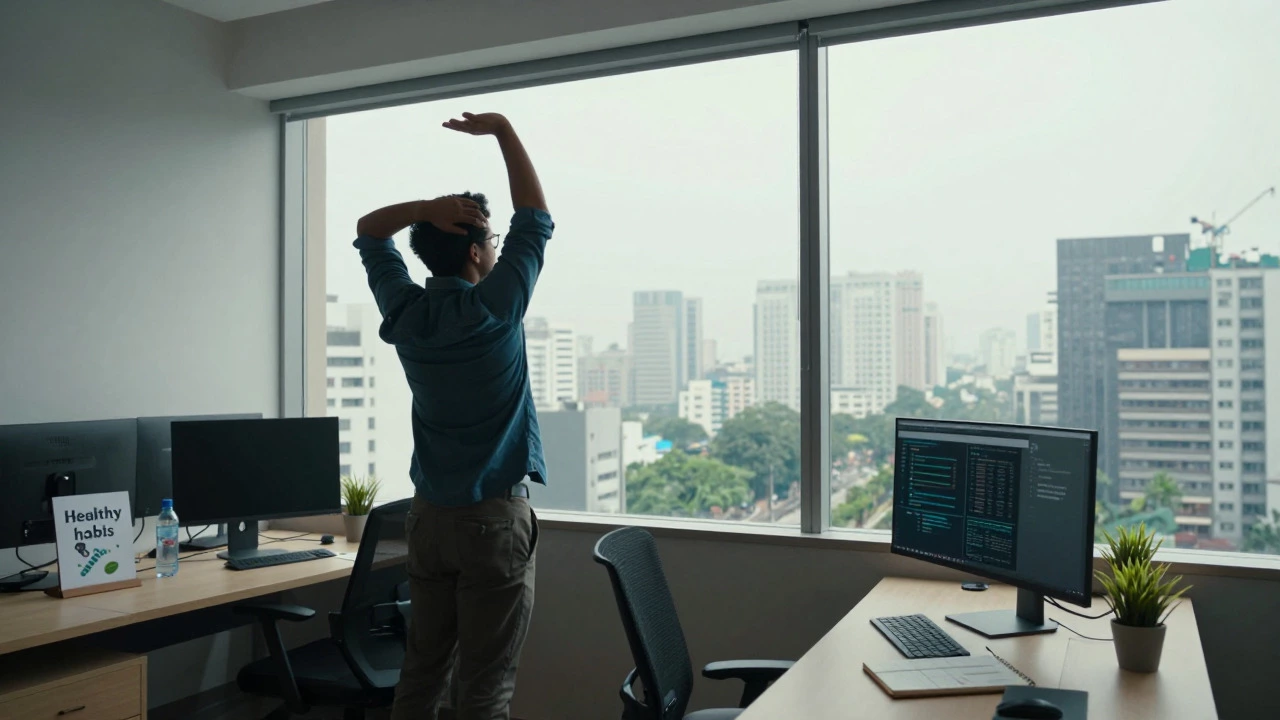
Let’s start with the obvious one. Coding is sedentary. Unlike a teacher who walks around or a nurse who moves between rooms, a developer sits. A lot. The average professional coder spends between 8 to 12 hours a day staring at a monitor. This leads to a cluster of physical issues often grouped under Computer Vision Syndrome.
Your eyes dry out because you blink less when focusing on text. Your neck hurts because you lean forward. Your wrists ache from repetitive keystrokes. I have seen junior developers develop carpal tunnel syndrome within their first year because they ignored ergonomics. If you already have back problems or poor posture, coding will amplify them. You don’t just sit; you hunch. And if you are learning through online courses, you might be sitting on your couch or at a kitchen table without proper lumbar support, which makes it worse.
- Eye Strain: Prolonged focus on screens reduces blink rate by up to 60%.
- Musculoskeletal Issues: Poor chair setup leads to chronic lower back pain.
- Risk of Obesity: Sedentary work correlates with higher BMI if not countered with exercise.
The Mental Marathon: Cognitive Load and Burnout
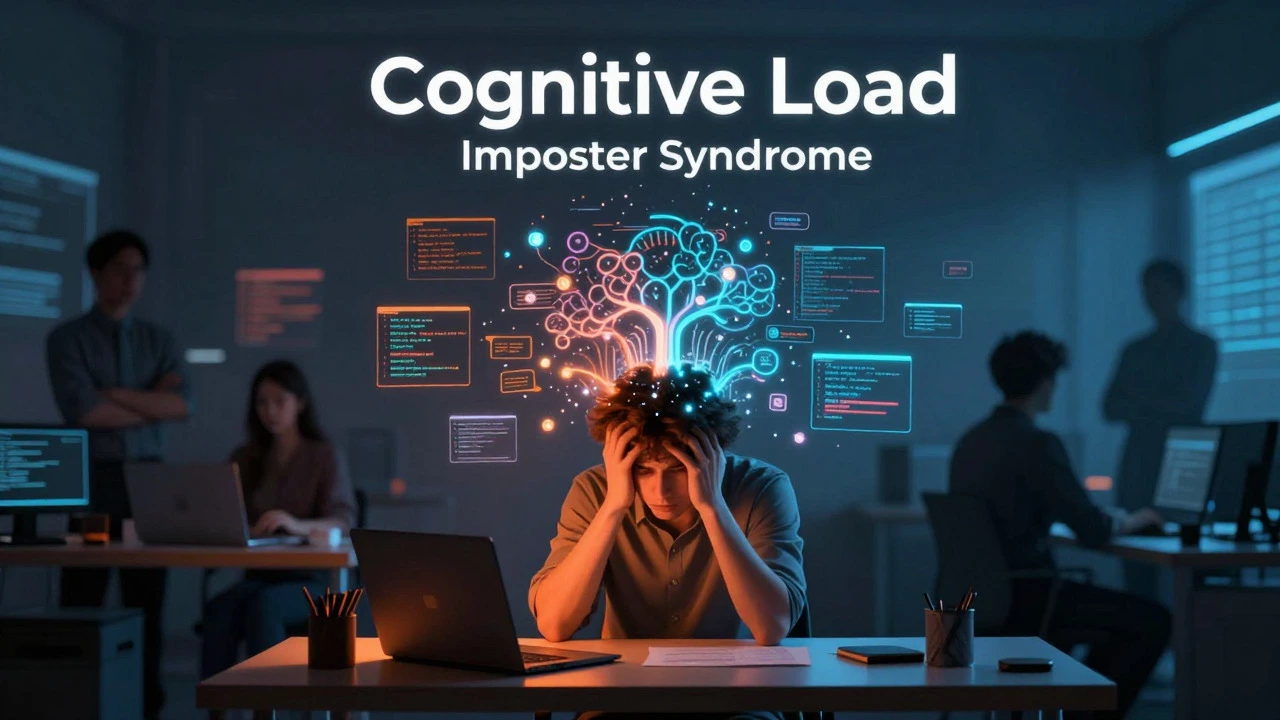
Here is where it gets tricky. Coding requires holding a massive amount of abstract logic in your head simultaneously. When you write a function, you have to remember variable names, data types, edge cases, and how this piece connects to the rest of the application. Psychologists call this Cognitive Load. In other professions, you might switch tasks and take a mental breath. In coding, if you get interrupted while deep in a complex algorithm, you lose your train of thought completely. Rebuilding that mental model takes time.
This constant high-level focus leads to Developer Burnout. It is not just being tired; it is emotional exhaustion caused by prolonged stress. The pressure to solve bugs quickly, combined with the imposter syndrome many beginners feel (“Everyone else knows this except me”), creates a toxic environment. You might find yourself debugging for four hours only to realize you missed a semicolon. That frustration is real, and it accumulates.
| Demand Type | Description | Common Consequence |
|---|---|---|
| Physical | Prolonged sitting, repetitive motion, eye strain. | Back pain, RSI, headaches. |
| Mental | High cognitive load, problem-solving under pressure. | Burnout, anxiety, decision fatigue. |
| Social | Isolation, limited face-to-face interaction. | Loneliness, communication skill stagnation. |
The Learning Curve Never Ends
One of the biggest misconceptions about learning to code is that there is an endpoint. You finish the bootcamp, you get the certificate, you are done. Wrong. Technology changes faster than any other industry. The framework everyone loved two years ago might be deprecated today. The language you mastered last year might have new syntax updates that break your old code.
This means you are perpetually a student. If you hate studying after you graduate, coding will feel like a punishment. You have to read documentation constantly. You have to watch tutorials to learn new libraries. You have to attend conferences or webinars just to stay relevant. For some, this continuous learning is exciting. For others, it feels like running on a treadmill that keeps speeding up. The downside is the mental energy required to keep up. You cannot coast in this field. If you stop learning for six months, you risk falling behind peers who are adopting new tools like AI-assisted coding or new backend architectures.
Imposter Syndrome and the Comparison Trap
Walk into any coding community forum or Slack channel, and you will see someone showing off a project they built in a weekend. Then you look at your own progress, struggling with basic loops, and you feel inadequate. This is Imposter Syndrome. It hits hard in coding because skills are often visible and comparable. You can see someone else’s GitHub profile. You can compare commit histories.
In traditional careers, your growth is slower and harder to quantify instantly. In coding, your output is public. Beginners often quit because they think they are “not smart enough,” when in reality, they just haven’t put in the hours yet. The downside here is the psychological burden of constant comparison. Social media exacerbates this, showing curated highlights of other developers’ successes while hiding their struggles. If you are sensitive to criticism or prone to self-doubt, the open-source culture can be brutal.
Isolation and Communication Challenges
Coding is often portrayed as a solitary activity. You put on headphones, close your eyes, and type. While pair programming exists, much of the work is solo. This can lead to professional isolation. Humans are social creatures, and spending eight hours talking to a compiler instead of colleagues can affect your mental health.
Furthermore, technical skills do not automatically translate to soft skills. Many coders struggle with explaining their work to non-technical stakeholders. You might build a perfect solution, but if you cannot explain why it matters to a marketing manager, your project fails. The downside is that you must actively work on communication skills, which many introverted coders prefer to avoid. If you dislike meetings, emails, and presentations, the corporate side of software development might frustrate you more than the actual coding.
How to Mitigate These Downsides
So, should you avoid coding entirely? No. Most of these downsides are manageable if you approach them proactively. Here is how to protect yourself while taking online coding classes or working in the field.
- Ergonomics First: Invest in a good chair and monitor stand before buying expensive software. Follow the 20-20-20 rule: every 20 minutes, look at something 20 feet away for 20 seconds.
- Set Boundaries: Code for focused blocks (e.g., 90 minutes) then step away. Do not let debugging bleed into your evening.
- Community Engagement: Join local meetups or online groups. Talk to humans, not just machines. This combats isolation and helps with networking.
- Accept the Learning Pace: Remind yourself that everyone started somewhere. Compare your progress to your past self, not to senior engineers on Twitter.
Understanding these pitfalls allows you to build a sustainable career. Coding is rewarding, but it demands respect for its physical and mental costs. Treat your body and mind as critical infrastructure, just like your server uptime.
Is coding bad for your health?
Yes, if not managed properly. Common issues include Computer Vision Syndrome, back pain from poor posture, and repetitive strain injuries (RSI) in the wrists. However, using ergonomic equipment and taking regular breaks can significantly reduce these risks.
Why do many people quit coding classes?
Many quit due to the steep initial learning curve and frustration with debugging. Others suffer from Imposter Syndrome, feeling they aren’t “natural” coders compared to peers. Burnout from trying to learn too much too quickly is also a major factor.
Does coding cause burnout?
Absolutely. Developer burnout is common due to high cognitive load, tight deadlines, and the constant pressure to keep up with changing technologies. The mental fatigue from sustained problem-solving can lead to emotional exhaustion if boundaries aren’t set.
Is coding a lonely profession?
It can be. Much of the work is solitary, requiring long periods of concentration without interaction. However, modern agile methodologies encourage collaboration, and remote work communities help mitigate feelings of isolation.
Do you need to study forever to be a coder?
Yes, technology evolves rapidly. Frameworks become obsolete, and new languages emerge. Continuous learning is a requirement, not an option, to remain employable and competitive in the software industry.