What is the cheapest country to study abroad in 2026? A guide to low-cost degrees

Total Cost of Attendance Calculator
Enter your estimated monthly living expenses to calculate the Total Cost of Attendance (TCA).
Imagine getting a degree from a top-ranked university without racking up six-figure debt. For many students, this sounds like a fantasy, but it’s actually happening right now. The global education landscape has shifted dramatically. While studying in the US or UK often means borrowing heavily, several countries have kept their doors open with little to no tuition fees. If you are looking for the cheapest country to study abroad, you need to look beyond the traditional hubs and focus on value, not just prestige.
The Hidden Costs of "Free" Education
Before picking a destination, you have to understand what "cheap" really means. Tuition is only one part of the puzzle. You also need to pay for housing, food, transport, health insurance, and visas. Some countries charge zero tuition but have incredibly high living costs, while others have moderate tuition but very cheap daily life expenses. To make a smart choice, you need to calculate the total cost of attendance (TCA). This includes all mandatory fees plus your estimated monthly budget. Ignoring these hidden costs can turn a "free" degree into a financial nightmare.
Germany: The Gold Standard for Free Tuition
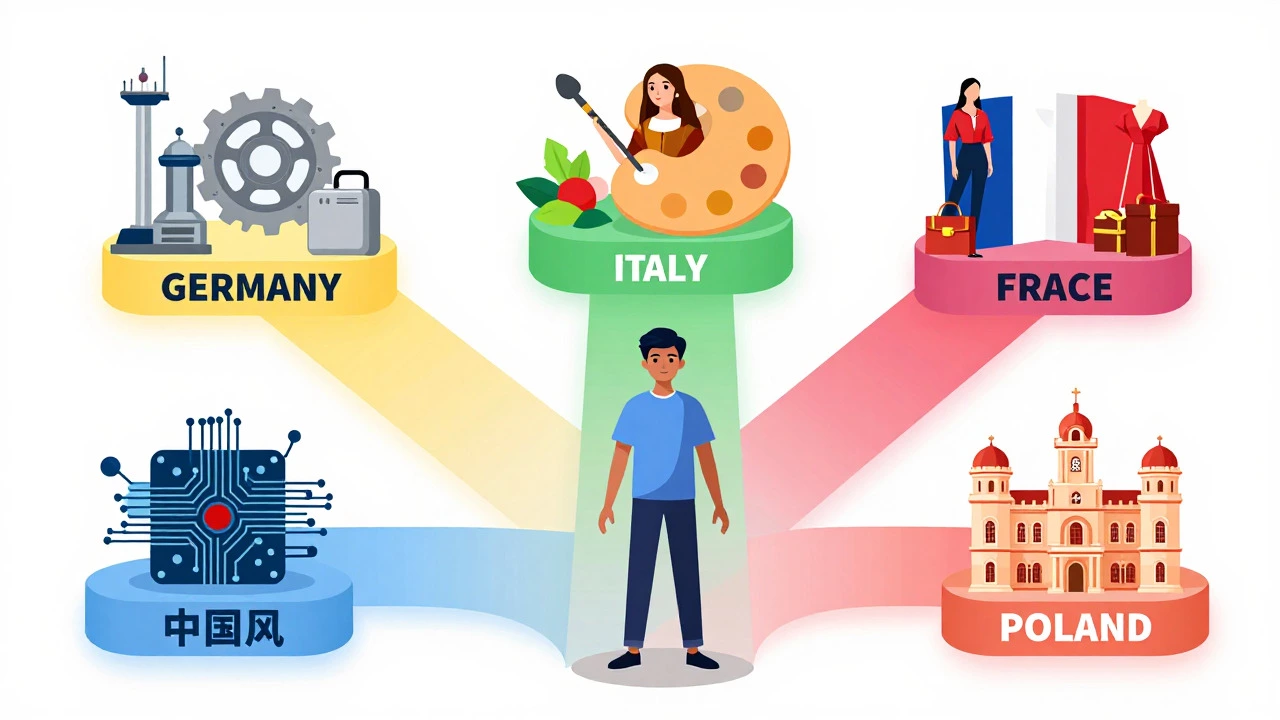
Germany is often cited as the best option for international students due to its public universities charging little to no tuition fees for most undergraduate and master's programs. Even though the government recently introduced small semester contributions (around €150-€350) to cover administrative costs and public transport tickets, this is still a fraction of what students pay elsewhere. The state of Baden-Württemberg charges non-EU students around €1,500 per semester, but most other states remain tuition-free. The real catch here is the "blocked account" requirement. You must prove you have approximately €11,208 per year (as of 2024-2025 standards, likely higher in 2026) in a blocked bank account to get a visa. This ensures you can survive while studying. Cities like Berlin, Munich, and Hamburg offer vibrant student life, but rent has skyrocketed. Smaller cities like Leipzig, Dresden, or Freiburg offer cheaper rent and a more relaxed pace. German universities are highly respected globally, especially in engineering, natural sciences, and business. Many programs are taught in English, removing the language barrier for many applicants.
Norway: High Quality, But Rising Costs
Norway used to be completely free for everyone, including international students. However, starting in 2023, they reintroduced tuition fees for non-EU/EEA students, ranging from €7,000 to €14,000 per year. Despite this, Norway remains attractive because of its exceptional quality of life, safety, and strong emphasis on practical learning. The living cost is high-expect to spend €1,200-€1,500 per month on basic needs. Scholarships are competitive but available through organizations like NOKUT. If you are willing to learn Norwegian, job opportunities during and after studies improve significantly. The natural beauty and work-life balance are unmatched, making it a compelling option if you can secure funding.
Italy: Affordable Tuition and Cultural Richness
Italy offers a unique blend of affordable tuition, rich cultural heritage, and diverse academic programs. Public universities charge between €500 and €3,000 per year, depending on your family income and regional policies. Many universities offer significant discounts based on ISEE (equivalent income indicator), which can reduce tuition to nearly zero. Living costs vary widely; Rome and Milan are expensive, while cities like Bologna, Padua, or Naples are much more budget-friendly. Italy provides generous scholarships for international students, such as DSU (Regional Scholarships) and MAECI scholarships, which cover tuition, provide accommodation, and offer a cash stipend. The food culture is amazing and relatively inexpensive if you cook at home. Italian degrees are well-regarded in Europe, particularly in design, architecture, humanities, and medicine.
France: Low Fees and Strong Support
France reformed its higher education system in 2019, increasing fees for non-EU students to €2,770 for bachelor’s and €3,770 for master’s programs. However, many universities still choose to charge the lower EU rate (around €170-€243) for all students, regardless of nationality. You need to check each university’s policy. Paris is notoriously expensive, but cities like Lyon, Toulouse, or Lille offer better value. France has a robust scholarship system, including Eiffel Excellence Scholarships and Erasmus+. The government also subsidizes healthcare and transportation for students. French degrees hold strong weight in industries like fashion, luxury goods, aerospace, and diplomacy. Learning French opens up vast career opportunities within the EU and Francophone Africa.
China: Rapidly Growing and Highly Subsidized
China has become a major destination for international students, offering numerous fully funded scholarships through the Chinese Government Scholarship (CSC). These scholarships cover tuition, accommodation, medical insurance, and provide a monthly stipend (usually ¥2,500-¥3,500 for undergraduates). Without scholarships, tuition ranges from ¥20,000 to ¥50,000 per year ($3,000-$7,000 USD), which is still very affordable compared to Western countries. Living costs outside tier-1 cities like Beijing and Shanghai are extremely low-you can live comfortably on $300-$500 per month. China excels in STEM fields, business, and technology. Universities like Tsinghua and Peking University are world-class. The language barrier exists, but many programs are offered in English. Cultural immersion is deep, and networking opportunities in Asia are unparalleled.
Malaysia: An Emerging Hub for Asian Students
Malaysia positions itself as a gateway to Southeast Asia, offering high-quality education at a fraction of Western prices. Tuition fees range from $2,000 to $6,000 per year, depending on the program and institution. Many universities have twinning arrangements with UK, Australian, and US institutions, allowing you to earn a recognized degree locally. Living costs are very low; students can manage on $400-$600 per month. Kuala Lumpur is modern and vibrant, with excellent infrastructure. Malaysia is multicultural, making it easy for foreigners to adapt. It’s particularly popular for engineering, IT, and business studies. Visa processes are generally straightforward, and post-study work options are improving.
Poland: Eastern Europe’s Best Value
Poland has emerged as a top contender for affordable European education. Tuition fees for English-taught programs range from €1,500 to €4,000 per year. Living costs are among the lowest in the EU, with students spending €300-€500 per month on rent, food, and transport. Warsaw, Krakow, and Wroclaw host reputable universities with strong international reputations. Poland offers various scholarships, including those from the Polish National Commission for Academic Exchange. The country is safe, centrally located in Europe, and has a growing tech sector. Degrees in computer science, economics, and medicine are particularly sought after. The visa process is efficient, and part-time work is allowed for students.
Comparison Table: Cost Breakdown by Country
| Country | Tuition Fee Range (USD) | Living Cost/Month (USD) | Total Estimated Annual Cost | Key Advantage |
|---|---|---|---|---|
| Germany | $0 - $2,000 | $800 - $1,200 | $9,600 - $16,400 | Tuition-free public universities |
| Italy | $500 - $3,000 | $600 - $1,000 | $7,700 - $15,000 | Income-based discounts & scholarships |
| France | $200 - $4,000 | $700 - $1,200 | $8,600 - $18,400 | Subsidized services & Eiffel scholarships |
| China | $3,000 - $7,000 | $300 - $600 | $6,600 - $14,200 | Fully funded CSC scholarships available |
| Malaysia | $2,000 - $6,000 | $400 - $600 | $6,800 - $13,200 | Western degrees at local prices |
| Poland | $1,500 - $4,000 | $300 - $500 | $5,100 - $10,000 | Lowest total cost in EU |

How to Choose the Right Destination
Picking the cheapest option isn’t always the smartest move. Consider your field of study. Engineering students might prefer Germany or Poland, while business students could benefit from Malaysia or China. Language matters too. Do you want to learn a new language, or do you need an English-only environment? Also, think about post-graduation plans. Some countries offer graduate work permits (like Germany’s 18-month job seeker visa), while others restrict employment. Research alumni networks and industry connections in your target country. A slightly more expensive degree might lead to better job prospects, offsetting the initial cost.
Scholarships and Financial Aid Strategies
Never rely solely on self-funding. Most countries offer dedicated scholarships for international students. Start early-many deadlines are 6-12 months before enrollment. Look into government-funded programs (like DAAD for Germany, Erasmus+ for Europe, CSC for China). University-specific scholarships are also plentiful. Private foundations and NGOs sometimes offer grants based on merit or need. Prepare a strong application package: transcripts, recommendation letters, statement of purpose, and proof of language proficiency. Highlight unique experiences or community involvement to stand out. Don’t forget to apply for multiple scholarships simultaneously to increase your chances.
Visa Requirements and Legal Considerations
Securing a student visa is crucial. Each country has specific requirements: proof of funds, acceptance letter, health insurance, and sometimes police clearance certificates. Germany requires a blocked account; France demands proof of accommodation; China needs JW202/JW201 forms. Processing times vary from 2 weeks to 3 months. Apply as soon as you receive your admission letter. Keep all documents organized and translated if necessary. Violating visa conditions can lead to deportation and bans. Stay informed about changes in immigration policies, especially given recent global shifts.
FAQs About Studying Abroad on a Budget
Is it really possible to study abroad for free?
Yes, but "free" usually refers to tuition fees. Countries like Germany, Norway (for EU citizens), and Finland (in some cases) offer tuition-free education at public universities. However, you still need to cover living expenses, which can range from $600 to $1,500 per month depending on the location. Fully funded scholarships that cover both tuition and living costs exist but are highly competitive.
Which country has the lowest living costs for students?
Eastern European countries like Poland, Hungary, and Romania, along with Asian nations like Vietnam and Thailand, offer some of the lowest living costs. In Poland, you can live comfortably on $300-$500 per month, including rent and food. In contrast, Western European capitals like London or Paris require $1,500+ per month. Always research city-specific costs, as rural areas are significantly cheaper than urban centers.
Can I work while studying abroad?
Most countries allow international students to work part-time during their studies. Germany permits 120 full days or 240 half-days per year. France allows up to 964 hours annually. China restricts off-campus work unless specified in the visa. Working helps offset living costs and provides valuable experience. Check the specific regulations of your host country and ensure your workload doesn’t interfere with academics.
Are degrees from cheap countries respected globally?
Absolutely. Many universities in Germany, Italy, France, and Poland are ranked highly worldwide and accredited by international bodies. Employers value skills, knowledge, and experience over the price tag of your degree. Graduates from these institutions often compete successfully in global job markets. Focus on choosing reputable universities with strong alumni networks and industry partnerships rather than just focusing on cost.
What are the biggest pitfalls to avoid when studying abroad on a budget?
Common mistakes include underestimating living costs, ignoring hidden fees (health insurance, visa extensions), and choosing locations with poor job prospects. Another pitfall is neglecting language preparation, which limits social integration and job opportunities. Always create a detailed budget, apply for scholarships early, and research post-graduation employment laws. Avoid scams by verifying university accreditation and using official channels for applications.
Next Steps for Aspiring Students
If you’re serious about studying abroad affordably, start by identifying your academic goals and preferred regions. Shortlist 3-5 countries based on tuition, living costs, and scholarship availability. Visit official university websites and government immigration portals for accurate information. Connect with current students through forums or social media groups to get real-life insights. Begin preparing language tests (IELTS, TOEFL, TestDaF, etc.) well in advance. Draft your personal statements and gather recommendation letters. Finally, submit applications before deadlines and follow up diligently. With careful planning, a world-class education is within reach without breaking the bank.