What Is the Highest Paid Vocational Job? Top Earning Trades in 2026
Vocational Career Earnings Calculator
Select a vocational path to see training requirements and earning potential.
Career Title
Description
You skip the four-year degree and the student loan debt. You spend two to five years mastering a specific skill. Now, you want to know: does this path actually pay off? The short answer is yes. In fact, for many people, choosing a vocational career over a traditional university route leads to higher lifetime earnings and faster financial stability.
The landscape of work has shifted dramatically by 2026. Automation has taken over routine data entry and basic manufacturing, but it cannot easily replace hands-on expertise that requires complex problem-solving in unpredictable environments. This has driven up wages for skilled tradespeople. If you are looking for the highest paid vocational jobs, you need to look at sectors where supply is low, demand is high, and the work involves specialized technical knowledge or significant physical risk.
The Crown Jewel: Aviation Maintenance Technicians
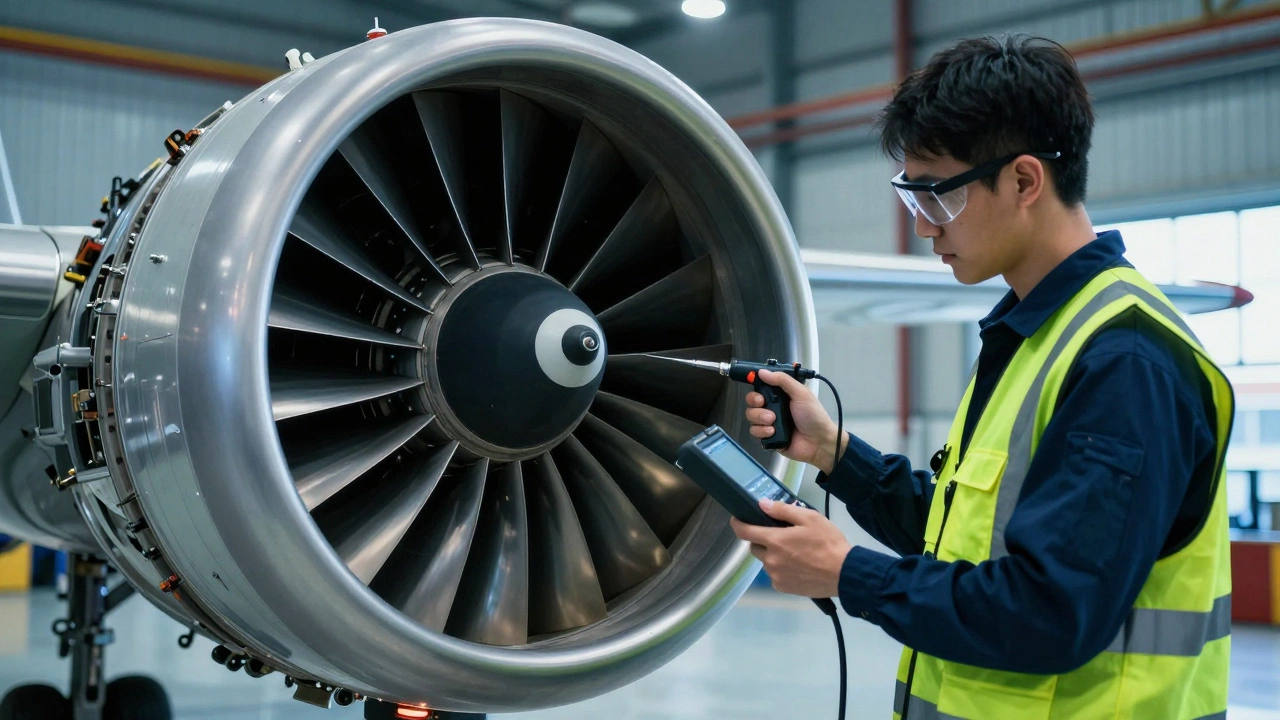
If we are talking purely about raw salary potential without a bachelor’s degree, aviation maintenance technicians (AMTs) often sit at the very top. These professionals inspect, repair, and maintain aircraft engines, fuselages, and systems. It is not just changing oil; it is ensuring that hundreds of lives stay safe in the sky.
To become an AMT, you typically complete a program at an FAA-approved school (in the US) or equivalent certified institution elsewhere, which takes about 18 to 24 months. After passing rigorous exams, you earn your Airframe and Powerplant (A&P) license. Why does this pay so well? The barrier to entry is high due to the strict certification requirements, and the stress level is immense. A mistake here is catastrophic. Consequently, experienced AMTs working for major airlines can command six-figure salaries, especially when factoring in overtime and union benefits. It is a career where precision pays literally.
Nuclear Energy Workers: High Stakes, High Pay
Nuclear energy is making a comeback in many parts of the world as nations seek clean, reliable baseload power. This resurgence has created a massive demand for nuclear electricians, instrument technicians, and reactor operators. These roles require extensive training, often through military service or specialized college programs lasting two to four years, followed by intense on-the-job certification.
The pay reflects the responsibility. Nuclear plant workers must adhere to strict safety protocols and undergo regular radiation monitoring. The environment is controlled but high-stakes. According to labor statistics from recent years, median annual wages for nuclear technicians frequently exceed $90,000, with senior roles pushing past $120,000. The job security is also exceptional because once a plant is built, it needs constant, expert maintenance for decades.
Elevator Installers and Repairers
It might sound niche, but elevator mechanics are consistently among the highest-paid tradespeople. Urbanization continues globally, meaning more high-rise buildings, more elevators, and more escalators. These systems are complex mechanical and electrical puzzles that require deep understanding to fix.
This career usually starts with a formal apprenticeship, combining classroom instruction with thousands of hours of on-the-job training. It is physically demanding and involves working in tight spaces, heights, and sometimes dangerous conditions under moving machinery. Because the work is essential for building operation and safety, downtime is expensive for property owners, who are willing to pay premium rates for skilled technicians. Median salaries often hover around $95,000 to $100,000 annually, with master mechanics in major cities earning significantly more.

Petroleum Pump System Operators and Refinery Control Panel Operators
The energy sector remains one of the most lucrative areas for vocational workers. While the world transitions to renewables, oil and gas infrastructure still requires massive human oversight. Petroleum pump system operators monitor equipment and control flow in pipelines and refineries. Refinery control panel operators manage the complex chemical processes that turn crude oil into usable products.
These jobs often require an associate degree or specialized technical training, plus significant experience. The high pay-frequently starting above $70,000 and climbing to $100,000+-compensates for the hazardous nature of the work, remote locations, and shift schedules. However, candidates should weigh the long-term industry trends against the immediate financial rewards. As green energy grows, some skills may transfer to biofuel or hydrogen production facilities, keeping these technicians relevant.
Wind Turbine Service Technicians
On the flip side of fossil fuels, renewable energy offers booming opportunities. Wind turbine service technicians install, maintain, and repair wind turbines. This field has seen explosive growth over the last decade. By 2026, the demand for these workers is stronger than ever as governments push for net-zero emissions.
The training is relatively quick, often completed in less than a year through community colleges or trade schools. However, the job requires comfort with heights, physical strength, and ability to work outdoors in all weather conditions. Salaries have risen sharply due to labor shortages, with median incomes approaching $60,000 to $70,000, and experienced techs in offshore wind farms earning much more. It is a future-proof career with strong growth projections.

Commercial Pilots (With an Associate Degree)
While becoming an airline pilot traditionally required a degree, many regional airlines now accept candidates with an associate degree in aviation technology or even just a high school diploma combined with flight hours. Commercial pilots fly planes for cargo, passengers, or charters. The path involves obtaining a commercial pilot license (CPL), instrument rating, and often an airline transport pilot (ATP) certificate.
The financial trajectory is steep. Starting salaries at regional airlines might be modest, but within a few years of moving to major carriers, pilots regularly earn well over $150,000. The key here is accumulating flight hours quickly and efficiently. It is a vocational path that blends technical skill with operational expertise, offering one of the highest ceiling salaries for non-degree holders.
| Career Path | Typical Training Duration | Median Annual Salary (USD) | Key Requirement |
|---|---|---|---|
| Aviation Maintenance Technician | 18-24 Months | $85,000 - $110,000+ | FAA Certification / A&P License |
| Nuclear Electrician | 2-4 Years + Apprenticeship | $90,000 - $130,000+ | Specialized Technical Training |
| Elevator Installer/Repairer | 4-5 Year Apprenticeship | $95,000 - $120,000+ | Physical Stamina & Precision |
| Petroleum Pump Operator | Associate Degree / On-Job | $70,000 - $100,000+ | Hazardous Environment Tolerance |
| Wind Turbine Technician | Less than 1 Year | $60,000 - $80,000+ | Comfort with Heights |
Factors That Influence Your Earning Potential
Choosing the highest paid vocational job isn't just about picking a title. Several factors dictate your actual paycheck. First, location matters immensely. An elevator mechanic in New York City or San Francisco will earn significantly more than one in a rural town, though the cost of living adjusts that advantage. Second, unions play a huge role. Many of these high-paying trades are heavily unionized, which negotiates better wages, health benefits, and pensions. Joining a strong union can add tens of thousands to your lifetime earnings.
Third, specialization increases value. A general electrician makes good money, but an electrician who specializes in industrial automation or solar grid integration makes even more. Finally, overtime and hazard pay are common in these fields. Being willing to work nights, weekends, or in dangerous conditions directly boosts your income. If you prioritize maximum earnings, you must be willing to embrace the harder aspects of the job.
How to Start Your Journey
Ready to pursue one of these paths? Start by researching accredited trade schools or community colleges in your area. Look for programs with high job placement rates and strong industry partnerships. Next, seek out apprenticeships. Many employers hire directly into apprenticeship programs, allowing you to earn while you learn. This eliminates tuition debt entirely. Connect with local unions or professional associations to understand licensing requirements in your region. Certifications like OSHA safety training or specific manufacturer credentials can give you a competitive edge right out of the gate.
Remember, vocational careers are built on reputation and skill. Your first job is about learning; your fifth job is about mastery. The highest paid workers are those who continuously update their skills, adapt to new technologies, and deliver reliable, high-quality work. The tools change, but the value of expert craftsmanship remains constant.
Do I need a college degree for the highest paid vocational jobs?
No. Most of the highest paid vocational careers require certifications, licenses, or apprenticeships rather than a traditional four-year bachelor's degree. Programs typically range from less than a year to two years of technical schooling, followed by on-the-job training.
Which vocational job has the fastest entry time?
Wind turbine service technician and some welding specialties offer the fastest entry, often requiring less than a year of training. However, these roles may start with lower salaries compared to longer apprenticeships like elevator installation, which take four to five years but yield higher median wages.
Are these jobs secure in the age of AI?
Yes. Skilled trades involving complex physical manipulation, unpredictable environments, and high-stakes safety responsibilities are difficult to automate. AI can assist with diagnostics, but it cannot yet replace the hands-on expertise of an aviation mechanic or nuclear technician.
How important are unions in vocational careers?
Very important. Unions negotiate collective bargaining agreements that ensure higher base wages, comprehensive health insurance, retirement plans, and strict safety standards. In fields like elevator repair and electrical work, union membership can significantly increase total compensation packages.
Can I switch vocational careers later?
Yes, though it may require additional training. Skills often transfer between related fields. For example, an electrician can transition into industrial controls or renewable energy installation with some extra certification. The foundational knowledge of circuits and safety protocols remains valuable across many technical disciplines.