What is the Quickest Thing to Get Certified In? Fast-Track Options for 2026

Certification Speed & Value Estimator
Select a category below to see the fastest legitimate certifications available in 2026, estimated costs, and their potential impact.
Compliance & Safety
Fastest (1-8 Hours)Tech & IT
High Reward (1-5 Days)Digital Marketing
Low Barrier (3-7 Days)Project Management
Agile Shortcut (1 Day)Top Options
Key Metrics
The Myth of the "One-Day" Career Fix
Let’s cut through the noise right away: there is no legitimate, high-value professional credential you can earn in an hour that will magically double your salary. If a website promises you a "Master’s level" certification after watching three videos and clicking "I agree," run. Those are participation trophies at best and resume red flags at worst.
However, if you are looking for the quickest thing to get certified in that actually carries weight with employers or unlocks specific technical skills, the answer depends entirely on what you want to do next. Some certifications take a single afternoon. Others require a few weeks of intense study but open doors to six-figure roles. The key isn't just speed; it's relevance.
In 2026, the job market rewards agility. Employers care less about where you got your degree and more about whether you can prove you have a specific, immediate skill. This guide breaks down the fastest legitimate certifications available today, categorized by industry, so you can choose the path that fits your timeline and career goals.
The Absolute Fastest: Compliance and Safety (1-8 Hours)
If your definition of "quick" is "I need a certificate before I clock in tomorrow," look no further than workplace compliance and safety training. These are mandatory in many industries and universally recognized.
- OSHA 10-Hour Card is a basic occupational safety and health training widely required in construction and general industry. You can complete this online in one sitting. It costs around $50-$70 and is valid for life in most jurisdictions.
- CPR/AED Certification is a critical life-saving skill often required for healthcare, fitness, and childcare roles. Many providers like the Red Cross or American Heart Association offer blended learning where you watch videos online and do a quick hands-on check. Total time: 3-4 hours.
- HACCP Certification is Hazard Analysis Critical Control Point training essential for food service managers. Online modules can be completed in under 8 hours, making it ideal for restaurant owners or kitchen staff needing immediate compliance.
These aren't career-changers, but they are gatekeepers. Without them, you can't work in those fields. Getting them done quickly removes friction from your job search.
Tech & IT: High Speed, High Reward (1-5 Days)
The tech industry is unique because it values demonstrated competence over years of experience. Several vendor-specific certifications are designed to be earned rapidly, especially if you already have some background in computers or networking.
| Certification | Provider | Study Time | Best For |
|---|---|---|---|
| Google Data Analytics Certificate | Google via Coursera | 6 months (part-time) / 1 month (full-time) | Entry-level data roles |
| CompTIA A+ | CompTIA | 2-3 months | IT Support technicians |
| Microsoft Azure Fundamentals (AZ-900) | Microsoft | 1-2 weeks | Cloud computing basics |
| AWS Cloud Practitioner | Amazon Web Services | 1-2 weeks | Non-technical cloud roles |
Notice the distinction here. The Microsoft Azure Fundamentals and AWS Cloud Practitioner exams are conceptual. They test your understanding of cloud terminology, pricing models, and security basics. You don't need to code. If you spend 10-15 hours studying the official practice exams and documentation, you can pass these in a week. They signal to employers that you speak the language of modern infrastructure.
For those willing to grind a bit harder, the CompTIA A+ is the gold standard for breaking into IT support. While it takes longer, it’s a direct ticket to jobs paying $50k-$70k starting out. It’s not "overnight," but it’s faster than a four-year degree.
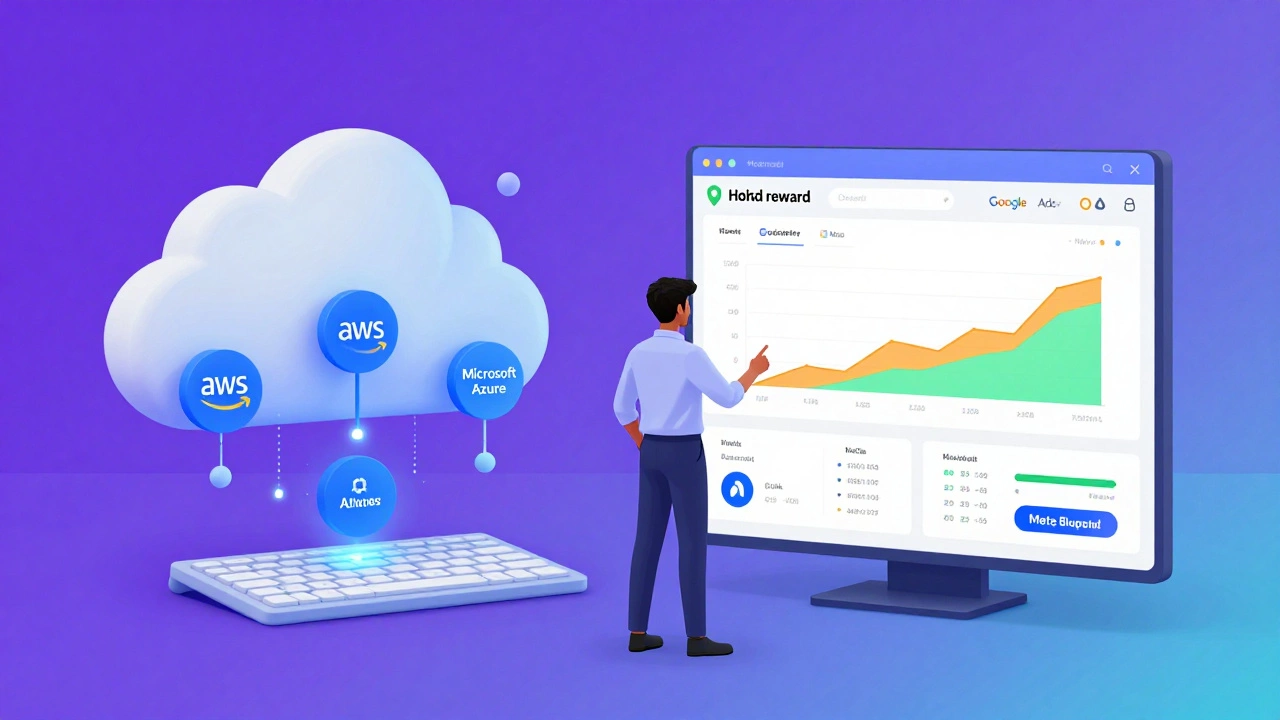
Digital Marketing: Low Barrier, Fast Turnaround (3-7 Days)
Digital marketing moves fast, and certifications reflect that. Unlike traditional degrees, these credentials focus on current platforms and tools.
- Google Ads Certifications are free and can be completed in a weekend. There are separate exams for Search, Display, Video, and Shopping. Each takes about 1-2 hours to study and another hour to take. Google updates these regularly, so holding a current cert proves you’re up-to-date.
- Meta Blueprint offers certifications for Facebook and Instagram advertising. The entry-level exams are relatively quick, though they cost money ($150 per exam). However, the ROI is high if you’re freelancing or managing small business accounts.
- HubSpot Academy Certifications cover inbound marketing, email, and social media. They are free, self-paced, and widely respected in the SaaS and B2B marketing world. You can breeze through the Associate level in a few evenings.
Why do these matter? Because they are platform-specific. When a client asks, "Can you manage my Google Ads budget?" showing a current Google-certified badge reduces their risk. It’s a low-cost trust signal.
Project Management: The Agile Shortcut (1 Day)
Traditional project management certifications like the PMP (Project Management Professional) take months of preparation and require thousands of hours of experience. But the world has shifted toward Agile methodologies.
The Certified ScrumMaster (CSM) is a two-day instructor-led course followed by a simple 50-question multiple-choice exam. You can attend virtually. The total investment is roughly $1,000 and 16 hours of your time. In return, you get a credential that is recognized globally in software development, product management, and increasingly, non-tech industries adopting Agile workflows.
Alternatively, the PMI Agile Certified Practitioner (PMI-ACP) is more rigorous but still faster than the PMP. It requires proof of agile experience but doesn’t demand the same volume of hours as traditional PM certs.

How to Choose Your Fast Track
Not all quick certifications are created equal. Before you pay for any course, ask yourself three questions:
- Is it vendor-neutral or vendor-specific? Vendor-specific certs (like AWS or Microsoft) are great if you know you’ll work with those tools. Vendor-neutral ones (like CompTIA or CSM) are better if you’re exploring options.
- Does it expire? Certs like OSHA 10 or CPR might need renewal every 2-3 years. Tech certs like AWS often require re-certification every 3 years. Factor this maintenance into your decision.
- Do employers in your target role actually ask for it? Check 10 job postings for the role you want. If only 1% mention the certification, skip it. If 50%+ list it as "preferred," invest the time.
Avoid "diploma mills" that sell certificates for $20 with no exam. LinkedIn endorsements are nice, but they carry zero weight compared to a proctored exam or a verified digital badge from a recognized body like CompTIA, Google, Microsoft, or PMI.
Pitfalls to Avoid
Speed can be dangerous if it leads to poor choices. Here’s what to watch out for:
- The "Jack of All Trades" Trap: Don’t get five different marketing certs in a month. Pick one stack (e.g., SEO + Content) and go deep. Employers prefer specialists who understand nuance over generalists who know definitions.
- Ignoring Hands-On Practice: A certification proves you passed a test. It doesn’t prove you can do the job. Pair your quick cert with a portfolio project. Build a small website, analyze a public dataset, or volunteer to manage a nonprofit’s social media.
- Outdated Curricula: Tech changes fast. Ensure the course content was updated within the last 12 months. Taking a certification based on Python 2 or old Android versions will hurt your credibility.
Final Thoughts on Speed vs. Value
The quickest thing to get certified in is often the least valuable. But the smartest move is to find the intersection between speed and demand. For many people, that means starting with a foundational tech or marketing cert that takes a weekend, then leveraging that credential to land an entry-level role or freelance gig while continuing to learn on the job.
Remember, a certificate is just a piece of paper-or a pixel on your LinkedIn profile. Its value comes from what you do with the knowledge. Use it as a launchpad, not a finish line.
Can I get a certification in one day?
Yes, several certifications can be earned in a single day. Examples include the Certified ScrumMaster (CSM), which involves a two-day virtual course plus a short exam, and various compliance certs like OSHA 10-Hour or CPR/AED. However, these are typically entry-level or role-specific and may not significantly boost your salary on their own without practical experience.
Are free certifications worth anything?
Absolutely, if they come from reputable sources. Google Career Certificates, HubSpot Academy, and AWS Educate offer free or low-cost credentials that are highly respected in their respective fields. The value lies in the brand recognition and the rigor of the assessment, not the price tag.
What is the easiest certification to get?
Subjectively, compliance-based certifications like OSHA 10 or basic digital literacy badges are the easiest because they involve straightforward multiple-choice questions with clear answers. Among technical certs, the AWS Cloud Practitioner or Microsoft Azure Fundamentals are considered entry-level and accessible to those with minimal prior experience.
Do certifications expire?
Many professional certifications do expire. For example, CompTIA certs are valid for three years, requiring Continuing Education Units (CEUs) to renew. Medical certifications like CPR usually last two years. Always check the expiration policy of the issuing body to ensure your credential remains active.
How much do fast certifications cost?
Costs vary widely. Free options include Google Digital Garage and HubSpot Academy. Mid-range certs like CompTIA A+ or AWS Cloud Practitioner cost between $100 and $300 for the exam fee. Premium instructor-led courses like Certified ScrumMaster can range from $800 to $1,200. Budget accordingly based on the credential's market value.