General Education in India: CBSE, ICSE, School Boards, and What Matters Most
When we talk about General Education, the foundational learning system that prepares students in India for school, college, and careers. Also known as school education, it’s the backbone of every student’s journey—from first grade to class 12 and beyond. Unlike college degrees, General Education in India is about building core skills, not specializing. It’s where kids learn to read, think, solve problems, and get ready for what comes next—whether that’s engineering, medicine, teaching, or starting a business.
Two major players dominate this space: CBSE, the Central Board of Secondary Education, a national board focused on exam readiness and digital learning and ICSE, the Indian Certificate of Secondary Education, known for deeper syllabus coverage and strong writing skills. Parents often choose between them based on whether they want fast-paced exam prep (CBSE) or detailed, analytical learning (ICSE). Neither is "better," but they serve different goals. CBSE is the top pick for families aiming for JEE or NEET, while ICSE builds strong foundations for literature, law, or international education. And yes, higher secondary education, the final two years of school, ending with class 12—it’s not a degree, no matter what people say. It’s your ticket to college, not a title you earn.
What you see in your child’s report card, the board they study under, the schools they attend—all these shape their future more than you might think. The state with the most CBSE schools? That’s a clue to where education is scaling fastest. Can you code on a phone? Maybe. But can you pass your 12th board exam without understanding basic math? Not likely. The real question isn’t which board is hardest—it’s which one fits your child’s pace, goals, and strengths. And if you’re thinking about studying abroad, yes, Harvard, one of the world’s top universities does accept CBSE students. But they don’t just look at marks. They look at how you think, what you’ve done beyond textbooks, and whether you can handle real-world challenges.
Below, you’ll find real answers to the questions parents and students actually ask: Why is CBSE so popular? What’s the truth about class 12? Which schools are worth considering? Is coding harder than math? And what happens after 12th? No fluff. No myths. Just straight talk from people who’ve been there.
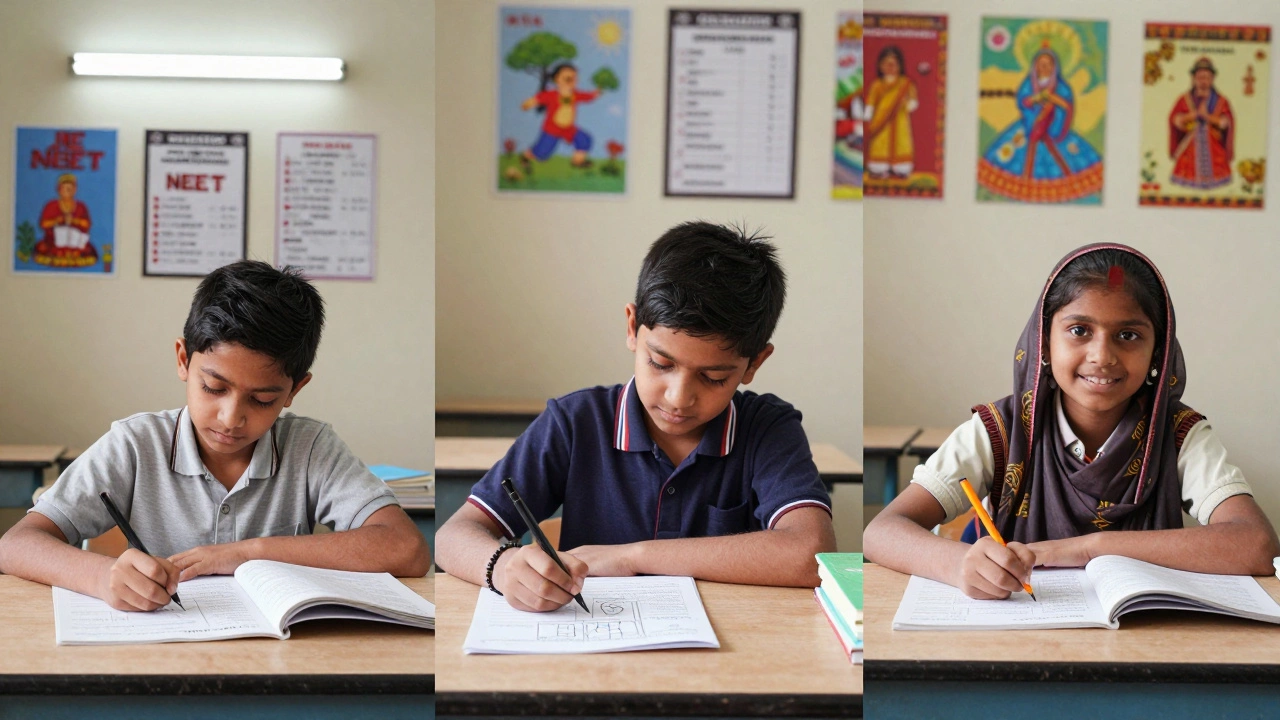
Which board is best for kids' future? CBSE vs ICSE vs State Boards explained
Choosing the right board for your child's future isn't about prestige - it's about alignment. CBSE leads for competitive exams, ICSE builds critical thinking, and state boards offer local advantages. Here's what actually matters.
VIEW MORE
What is the easiest degree to get? Real options for low-stress paths
Some degrees are genuinely less demanding than others. Learn which majors require less math, labs, or pressure - and still lead to real jobs. No fluff, just practical options.
VIEW MORE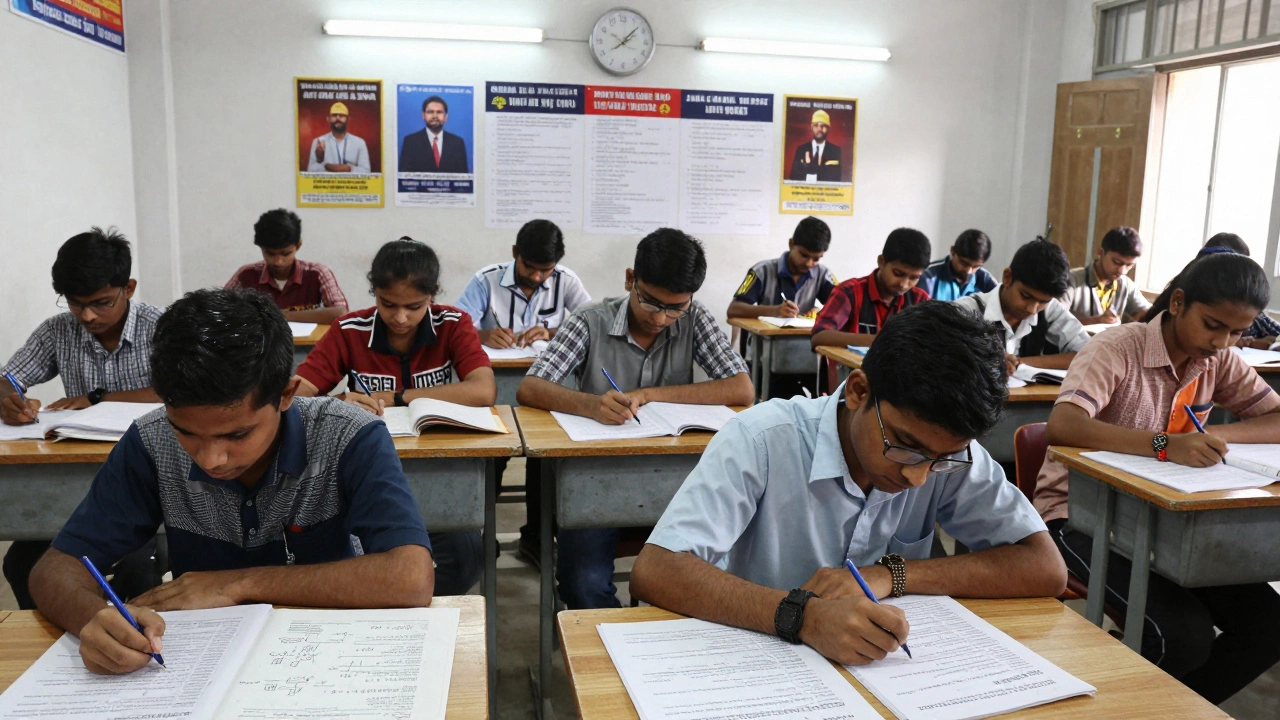
Which Board Is the Toughest in India? CBSE vs ICSE vs State Boards Compared
CBSE is widely considered the toughest board in India due to its alignment with competitive exams like JEE and NEET, strict marking, and high-pressure exam structure. Learn how it compares to ICSE and state boards.
VIEW MORE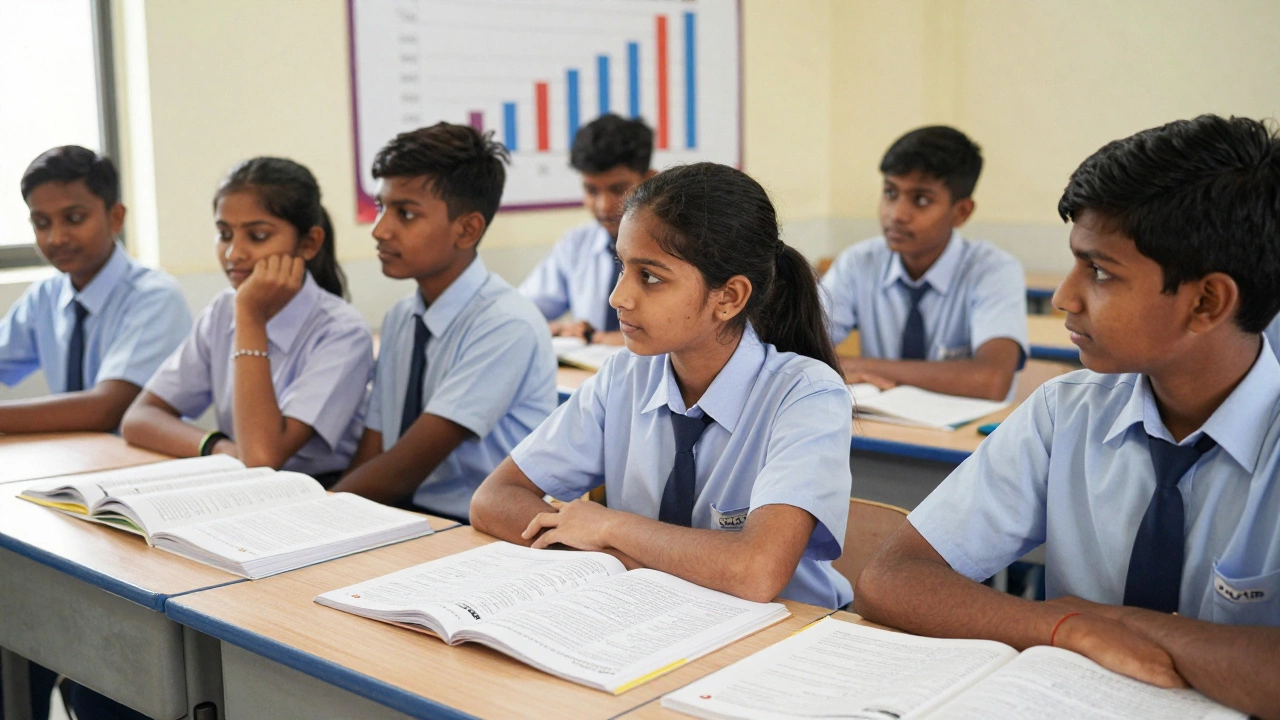
Which Board Has the Highest Value in India for Competitive Exams and College Admissions?
CBSE has the highest value in India for competitive exams like JEE and NEET, with nationwide recognition, NCERT alignment, and top college admissions. ICSE and state boards offer different strengths but lack the same national leverage.
VIEW MORE
Why is CBSE preferred by Indian families for school education?
CBSE is preferred by Indian families because of its national consistency, alignment with competitive exams, application-based learning, and strong digital infrastructure. It offers mobility, transparency, and global recognition that most state boards don't.
VIEW MORE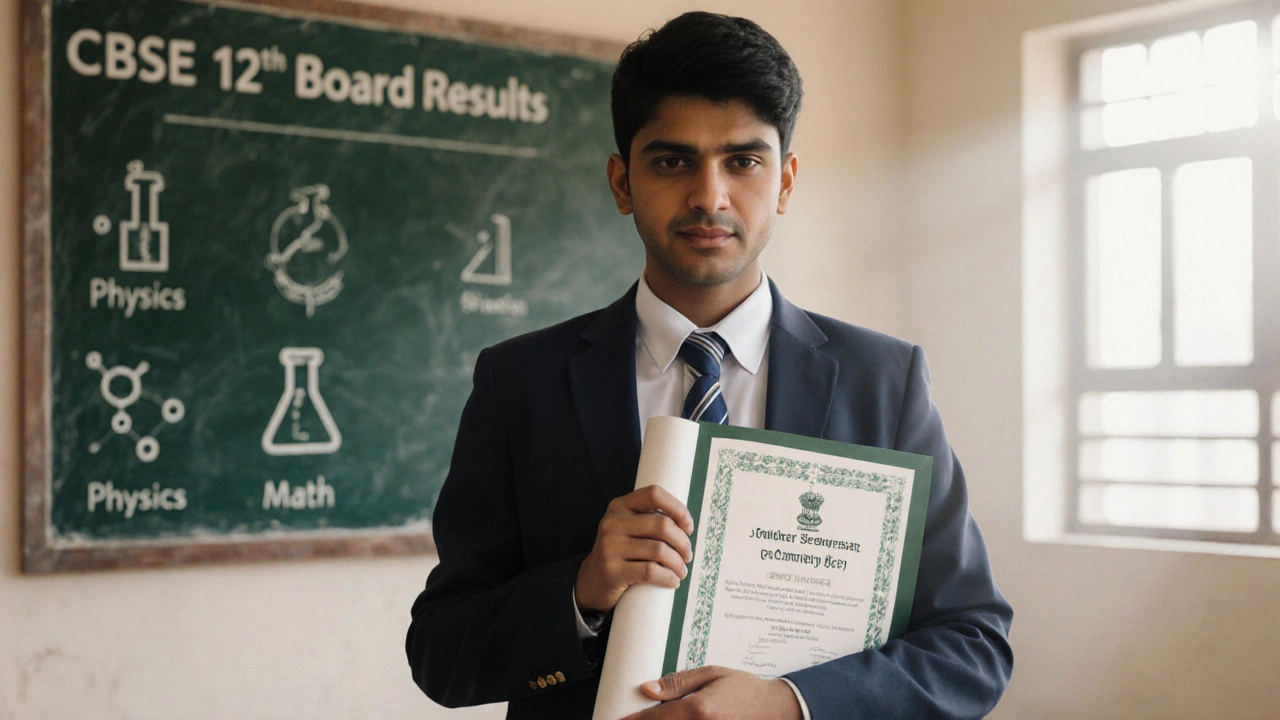
What Is a 12th Class Degree Called in India? Understanding the Indian School System
In India, 12th class is not a degree - it's the completion of higher secondary education. Learn what it's really called, how it's used for college and jobs, and why the term 'degree' is incorrect.
VIEW MORE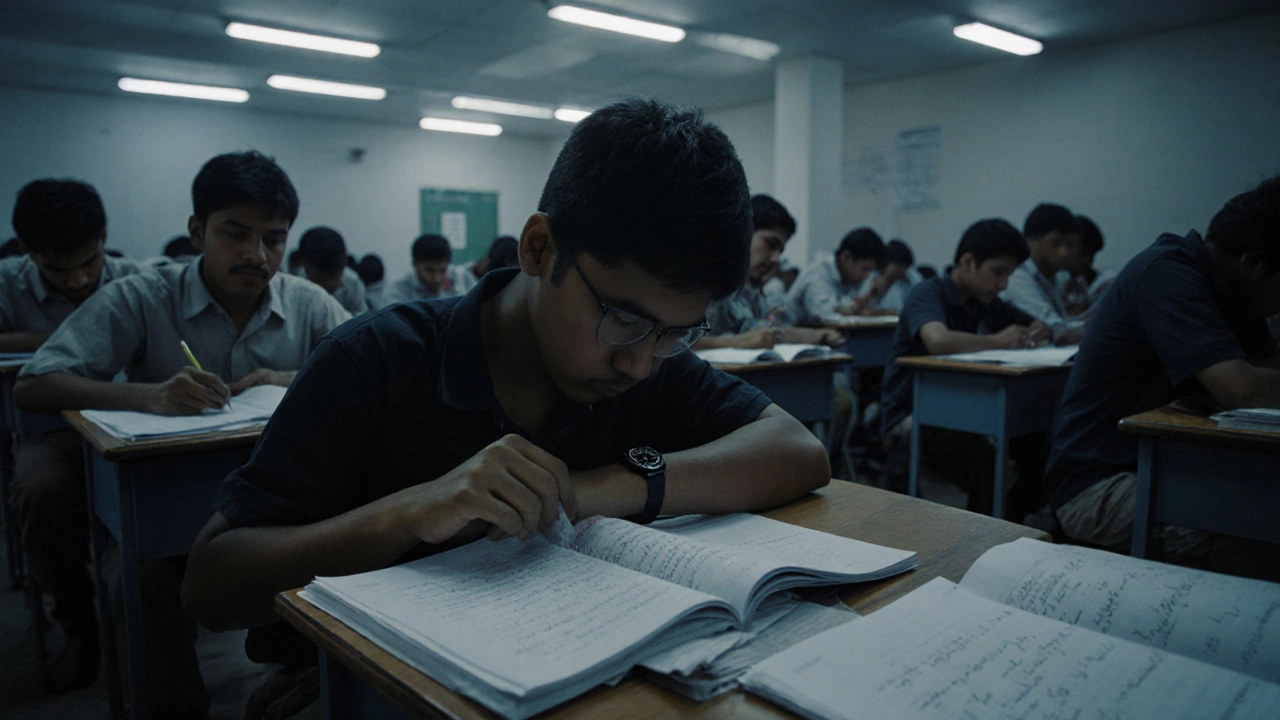
Which Are the Two Toughest School Boards in India?
CBSE and ICSE are the two toughest school boards in India, each with a different approach to learning. CBSE is fast-paced and exam-focused, ideal for JEE and NEET aspirants. ICSE is detailed and writing-heavy, building strong analytical skills.
VIEW MORE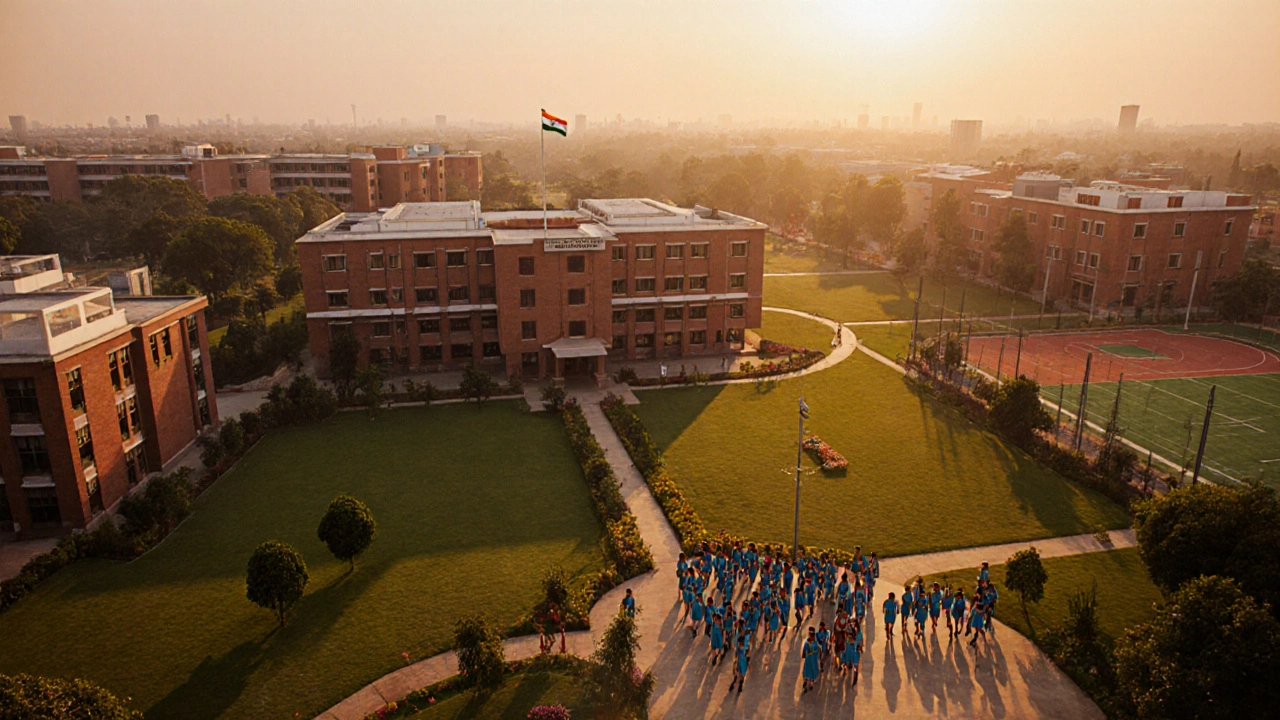
Top Popular CBSE Schools in India: A Comprehensive Guide
Explore the most popular CBSE schools in India, their strengths, rankings, and a practical checklist to help parents choose the right institution for their child.
VIEW MORE
Is Coding a Stressful Job? Facts, Causes & Coping Strategies
Explore why coding can be stressful, identify common stressors, spot burnout signs, and learn practical strategies to keep your programming career healthy.
VIEW MORE
Which College Major Is the Hardest? A Complete Guide
Discover which college majors rank as the hardest, why they're challenging, and practical tips to succeed in engineering, physics, chemistry, and more.
VIEW MORE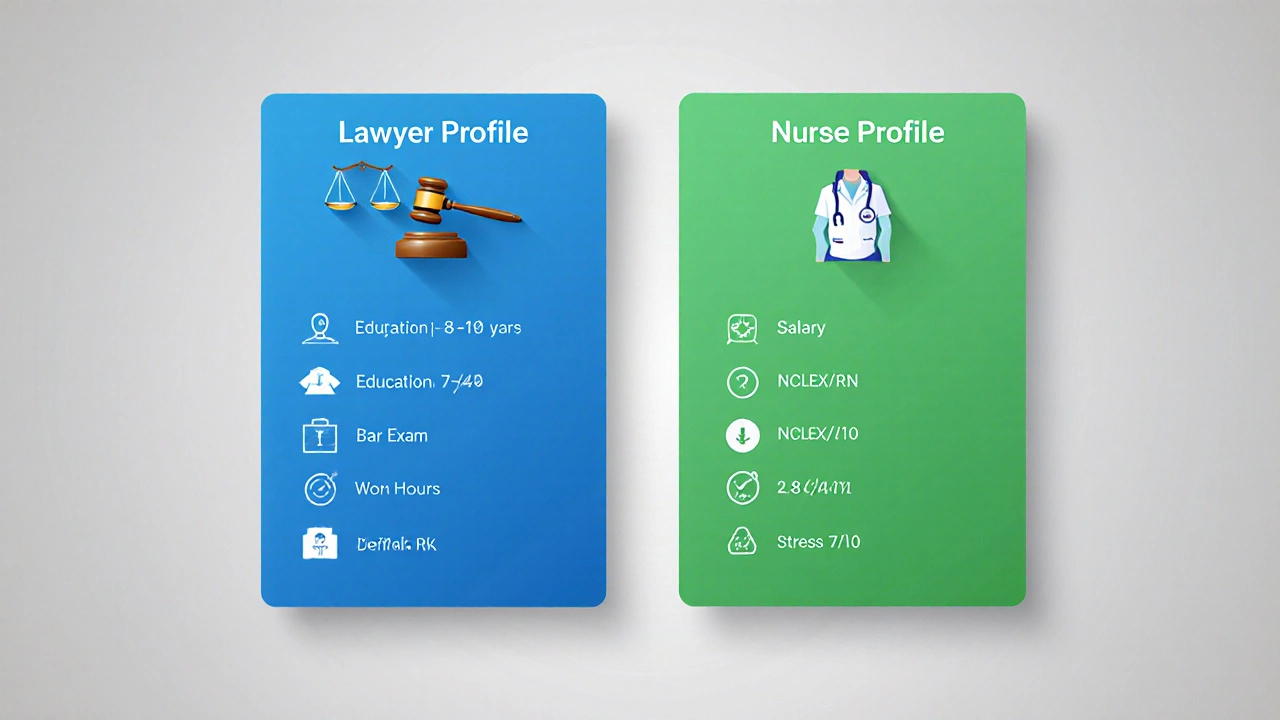
Lawyer vs Nurse: Which Career Is Harder?
Compare lawyer and nurse careers on education, workload, salary, stress and job outlook to see which path feels harder for you.
VIEW MORE
Fastest Programs to Become a Teacher: Quick Paths, Timelines, and Shortcuts
Want to teach fast? See the quickest routes in the US, UK, Australia, and Canada, realistic timelines, costs, risks, and step-by-step actions to get into a classroom ASAP.
VIEW MORE- 1
- 2