Mastering the STAR Method for Government Job Interviews
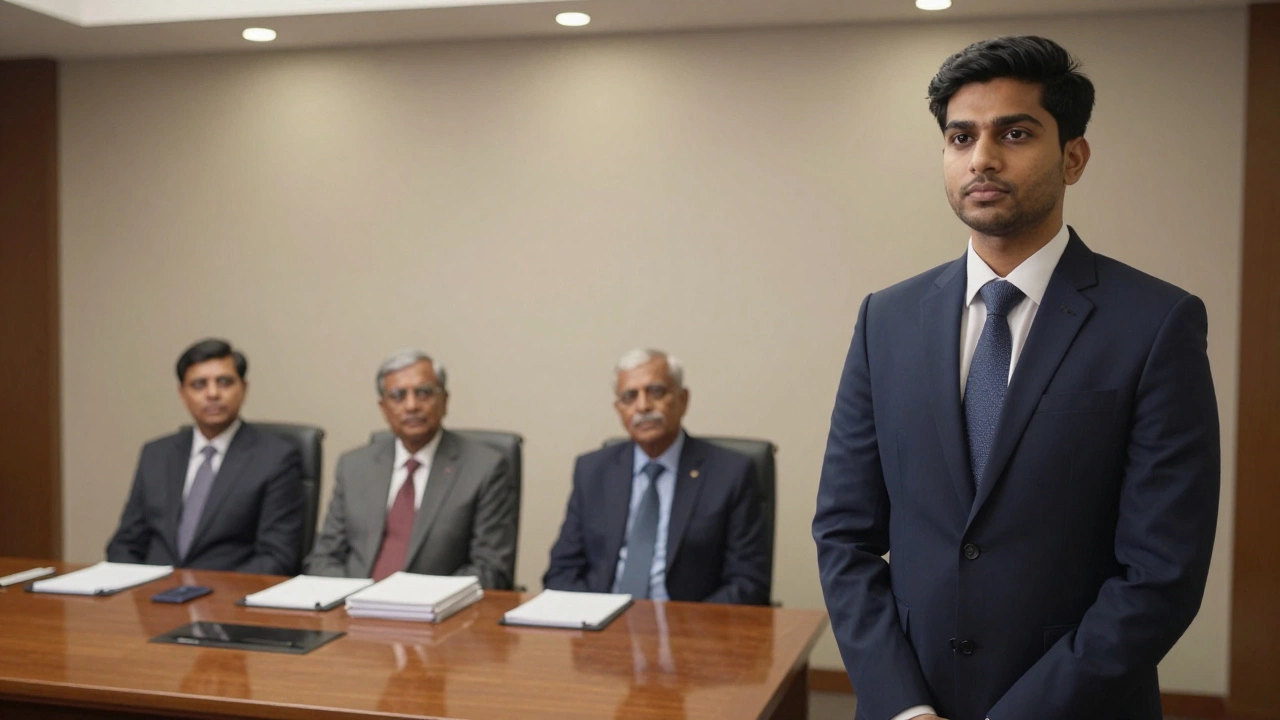
Have you ever watched qualified candidates crumble during government interviews? Many lose spots not due to weak skills, but because their answers lack structure. The STAR Method is a proven interview technique used by civil service agencies to evaluate behavioral competence. Unlike generic advice, it transforms your experience into evidence-packed responses.
Why Government Agencies Obsess Over STAR Responses
Federal hiring committees process 1,200+ applications weekly for entry-level roles. When two candidates have identical resumes, interviewers need concrete proof of decision-making under pressure. A 2024 GAO report found structured interviews reduce hiring bias by 37% compared to unstructured chats. That's why agencies mandate STAR-aligned responses.
| Metric | Traditional Approach | STAR Method |
|---|---|---|
| Evidence Level | Vague claims ("I'm good at leadership") | Specific metrics ("Led 5-person team, cut costs 18%") |
| Structure Time | Average 2.1 minutes per answer | Consistent 3-minute breakdown |
| Interviewer Recall | Low (unmemorable anecdotes) | High (structured storytelling) |
Anatomy of a Perfect STAR Response
Situation sets the scene concisely. For example: "During my internship at Health Canada, our department faced a 40% budget cut mid-project." Notice the inclusion of context-specific details rather than generic openings.The Task defines your role: "My responsibility was redesigning procurement workflows while maintaining compliance with Section 35 financial regulations." This establishes clear ownership of actions.
Action demonstrates execution. Strong responses specify tools used (implemented SAP ERP modules) and collaboration tactics (negotiated interdepartmental resource sharing agreements). Weak answers often skip measurable decisions here.
Result must quantify impact. Instead of "improved efficiency," say "Saved $220K annually through automated reconciliation systems, adopted agency-wide within Q3." Hiring panels prioritize data-driven outcomes.

When STAR Falls Short
This method works best for behavioral prompts like "Describe a conflict you resolved". It fails with technical tests requiring live problem-solving. In 2025, 78% of provincial exam boards now blend STAR questions with situational judgment tests assessing real-time decision-making.
New graduates often struggle crafting Situation backgrounds when lacking professional experience. Adapt using academic projects: "As capstone lead at University of Melbourne, our group encountered..."
Common Pitfalls & Fixes
- Over-explaining situations: Trim backstory to one sentence maximum
- Vague results: Replace percentages with absolute figures ($15K saved, not "significant savings")
- Passive language: Change "the team improved processes" to "I led workflow redesigns..."
- Mismatched competencies: Align actions with posted job requirements (leadership, analysis, etc.)

Mock Practice Protocol
Record yourself answering three prompts daily using this timer protocol: 30 seconds prep, 90 seconds delivery. Focus on compressing situations without losing clarity. Public servants report 40% confidence gains after two weeks of timed drills.
Sample Question Bank
- Describe a time you influenced a resistant colleague
- Tell us about overcoming unexpected project obstacles
- Explain how you handled competing priorities during high-pressure periods
Notice these map directly to standard competency frameworks. Top performers prepare five STAR stories covering leadership, analytical thinking, and conflict resolution before interviews.
Advanced Tactics for Competitive Roles
Senior positions demand layered results. Example: "My cost-saving initiatives later became templates adopted by three municipal departments." Show how individual actions created organizational ripple effects.
Can I use STAR for technical skill assessments?
Not primarily. Technical exams require demonstration over narration. However, frame coding/analysis tasks as "I developed Python scripts using Pandas that reduced processing time from hours to minutes..." to showcase applied expertise.
How do I handle hypothetical questions?
Reframe using past experiences: "While I haven't faced this exact scenario, during [similar situation], I approached it by..." Always ground hypotheticals in proven methods.
What if I lack direct experience?
Use academic/volunteer contexts strategically. For new grad roles: "In my thesis research, I analyzed policy documents which required synthesizing complex regulatory guidelines..." Focus on transferable competencies.
How detailed should results be?
Include scale and adoption metrics: "Reduced citizen wait times by 22% across three districts; methodology shared via internal knowledge portal." Numbers + propagation show systemic value.
Do all agencies require STAR?
Most federal/provincial offices adopt competency-based models. Municipal roles vary - research specific postings for clues like behavioral indicators or structured assessment mentions.