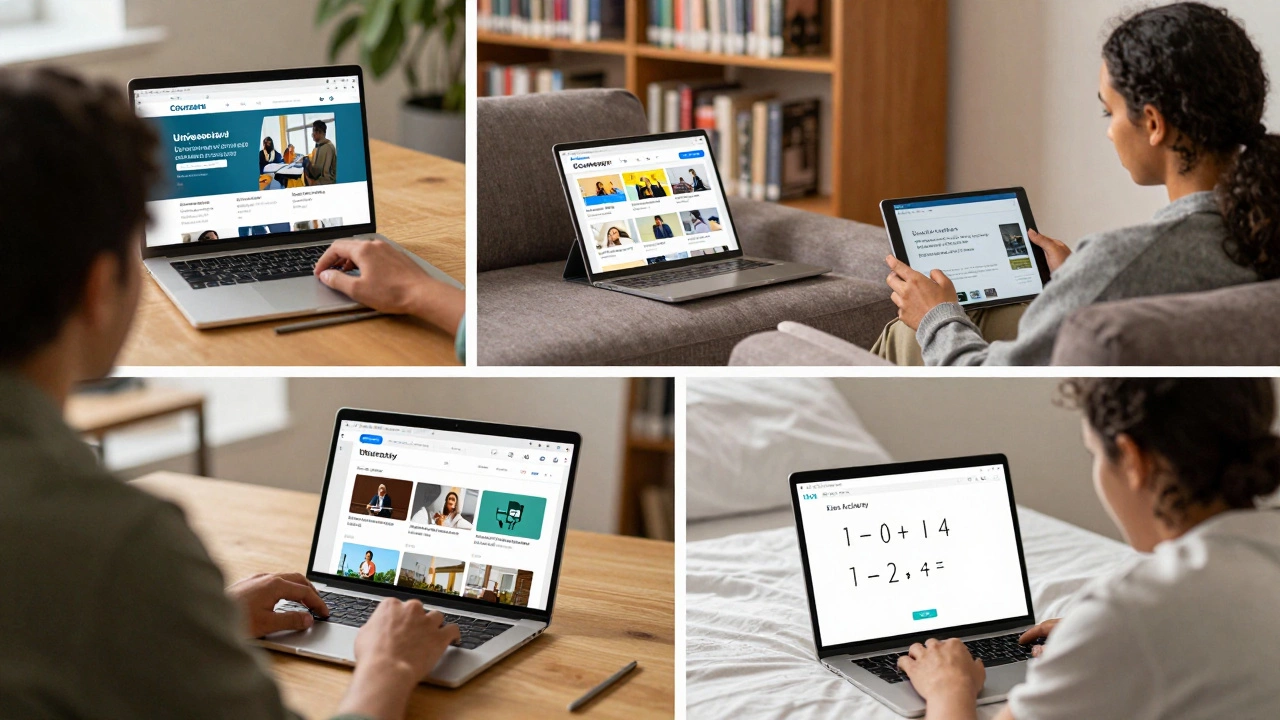
What Online Teaching Pays the Most? Top Platforms and How to Maximize Your Earnings

Online Teaching Earnings Calculator
Calculate Your Earnings
Your estimated earnings will appear here
If you're wondering which online teaching platforms pay the most, the answer isn’t simple-because it depends on what you teach, who you teach, and how you show up. Some tutors make $50 an hour teaching high school calculus to students in the U.S. Others earn $15 an hour tutoring basic English to kids in Southeast Asia. The difference isn’t just location-it’s demand, specialization, and platform structure.
Top Platforms That Pay the Most for Online Teaching
Not all e-learning platforms are created equal when it comes to pay. Here are the ones that consistently reward tutors with the highest hourly rates based on 2025 data from tutor surveys and platform disclosures.
- Outschool - Pays $15-$50/hour for live, small-group classes. Top instructors teaching STEM, coding, or advanced ESL for K-12 students often hit $40+ per hour, especially with repeat bookings.
- Preply - Average pay is $12-$35/hour, but tutors teaching Mandarin, German, or AP subjects can charge $40-$60/hour if they have strong reviews and credentials.
- VIPKid - Pays $14-$22/hour for teaching English to Chinese students. While the base rate is lower, many tutors work 20-30 hours a week and earn $600-$900 monthly with bonuses.
- Teachable - Not a tutoring platform, but a course marketplace. Top creators earn $10,000-$100,000+ per year selling self-paced courses on Python, graphic design, or financial literacy. This isn’t hourly pay-it’s passive income.
- Udemy - Pays $10-$20/hour equivalent if you count course sales over time. But only 5% of instructors make over $1,000/month. Success here requires marketing skills, not just teaching ability.
The real earners aren’t the ones chasing the highest base rate. They’re the ones who build their own brand on platforms like Outschool or Preply, then use those as a launchpad to sell their own courses or offer private 1:1 sessions outside the platform.
What Subjects Pay the Most?
Teaching general English or basic math won’t make you rich. But here’s what does:
- AP and IB Subjects - AP Calculus, AP Physics, IB Chemistry. Parents in the U.S., Canada, and Europe pay premium rates ($45-$80/hour) for tutors who can help students score 5s or 7s.
- Programming and Coding - Python, JavaScript, and Java tutors for teens and adults earn $40-$70/hour. Companies like Codecademy and freeCodeCamp have trained millions, but one-on-one coaching still commands high prices.
- Test Prep - SAT, ACT, GRE, GMAT tutors with proven results (students gaining 200+ points) charge $60-$120/hour. Some top tutors book out 3-6 months in advance.
- Specialized Languages - Mandarin, Arabic, Japanese, and German tutors for adult learners earn more than Spanish or French tutors. Demand is high, supply is low.
- Business and Finance - Tutoring corporate clients on Excel, financial modeling, or business English can go for $80-$150/hour. These clients pay for results, not just time.
One tutor in Texas teaches AP Computer Science to 12th graders. He charges $75/hour. He has 18 students on his roster, 15 of whom scored a 5 on the AP exam last year. He makes $10,000/month during the school year. That’s not luck-it’s expertise.
How to Get Paid More: Strategies That Work
Simply signing up on a platform won’t get you top pay. Here’s what separates the earners from the earners:
- Build a niche - Don’t say you teach English. Say you teach business English for tech professionals in Germany. Specificity = higher rates.
- Collect reviews and results - Parents and professionals want proof. If you can say, “My students improved their SAT scores by an average of 180 points,” you can charge double.
- Offer packages - Instead of $30/hour, offer 5 hours for $125. It locks in income and reduces no-shows.
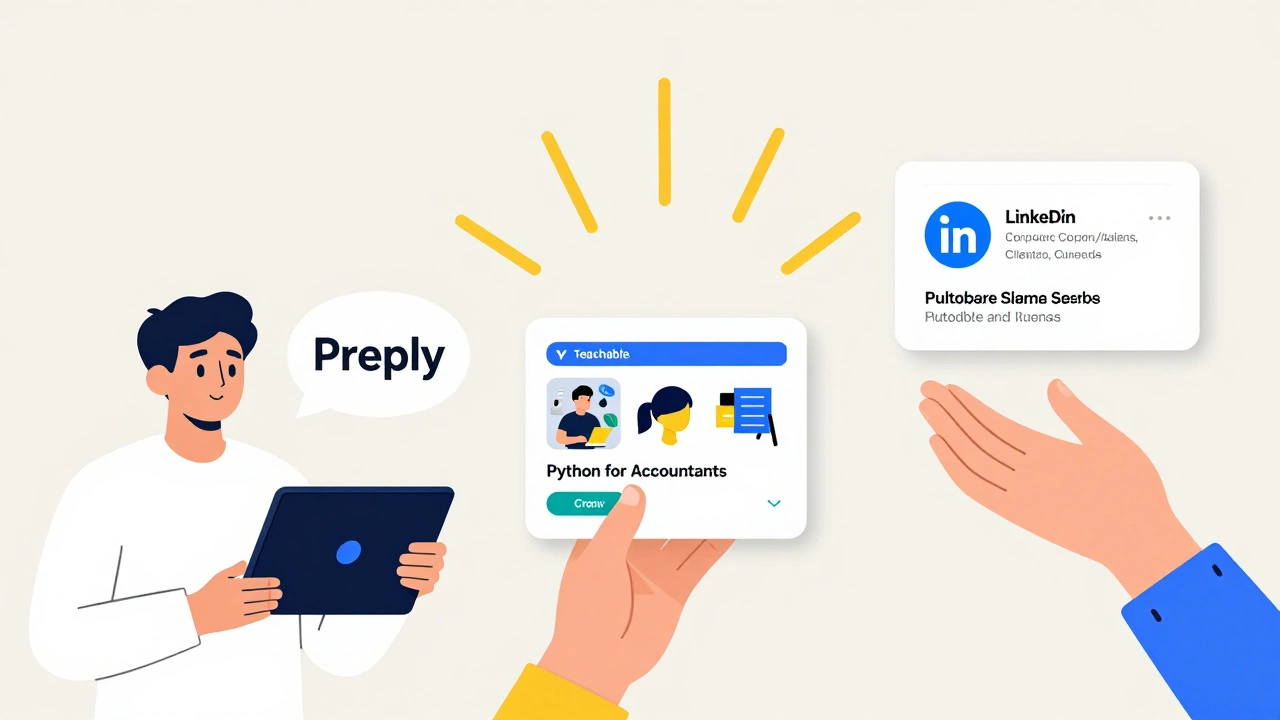
- Use multiple platforms - Be on Outschool for group classes, Preply for 1:1 tutoring, and LinkedIn for corporate clients. Diversify your income streams.
- Create your own course - Once you’ve built a reputation, turn your best lessons into a $97 course on Teachable. You keep 90% of the revenue.
One tutor in India started teaching basic Python on Udemy. After six months, she had 1,200 students. She then created a $149 advanced course on automation for accountants. She now makes more from that one course than she did from tutoring.
Hidden Factors That Affect Pay
Pay isn’t just about what’s listed on the platform. These hidden factors matter more than you think:
- Time zone - Teaching during U.S. or European peak hours (4-9 PM your local time) means higher demand and more bookings.
- Credentials - Having a teaching license, a master’s degree, or industry certifications (like PMP or AWS) lets you charge 30-50% more.
- Platform fees - Outschool takes 30%, Preply takes 33%. If you charge $50/hour on Preply, you only keep $33.50. Factor that in.
- Student retention - A student who books you every week for 6 months is worth more than 10 one-time clients.
Many tutors don’t realize that their real value isn’t in the hour-they’re in the relationship. The student who comes back every week for six months is worth $1,200-$1,800. That’s more than a month’s rent in many cities.
Who Makes the Most Money? Real Examples
Here’s what top earners actually do:
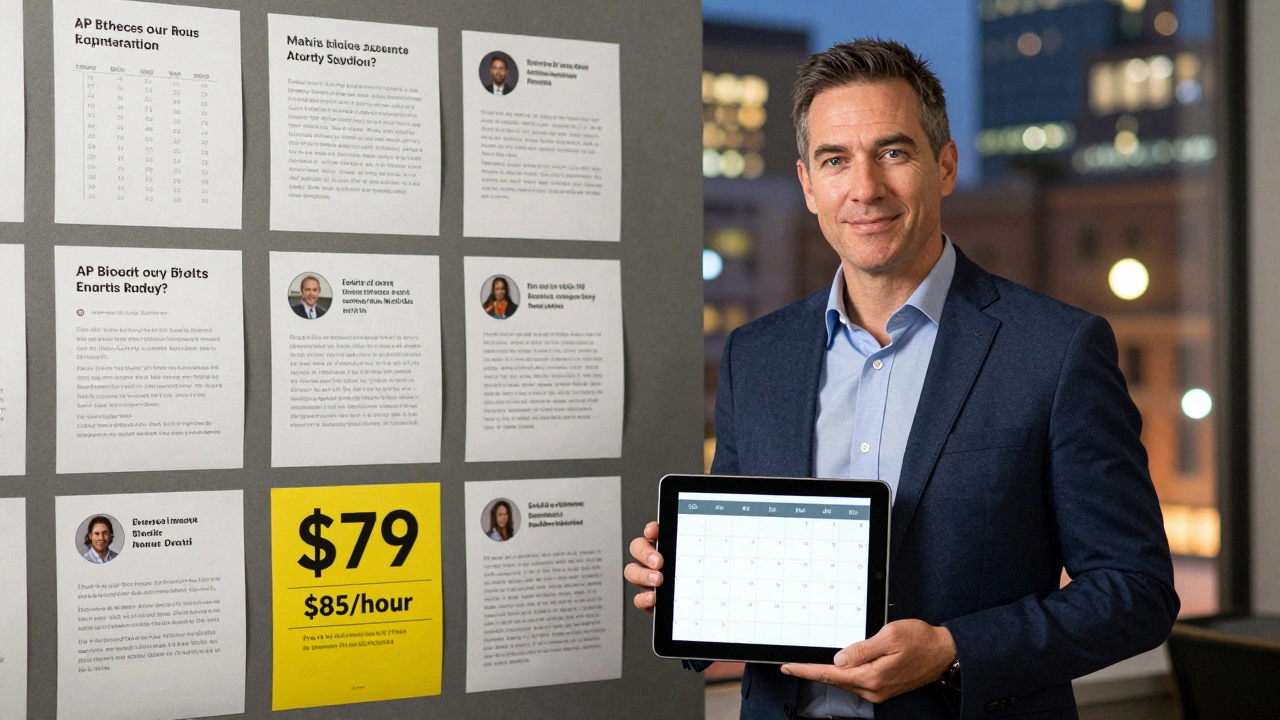
- Anna, 32, Chicago - Former high school AP Biology teacher. Now teaches AP Bio online via Outschool and offers private tutoring at $85/hour. She has a waiting list. Her side hustle? Selling a $79 study guide on her website. She makes $12,000/month.
- Ravi, 28, Bangalore - Former software engineer. Teaches Python to Indian students preparing for U.S. internships. Charges $50/hour. Built a YouTube channel. Now sells a $199 Python bootcamp. His monthly income: $18,000.
- Maya, 41, Toronto - Corporate trainer. Teaches business English to executives. Works with three clients weekly at $120/hour. She doesn’t use any platform-she finds clients on LinkedIn. Her annual income: $90,000.
They all have one thing in common: they didn’t wait for the platform to pay them. They built their own value.
Is Online Teaching Worth It?
Yes-if you treat it like a business, not a side gig. The best online teachers don’t just answer questions. They solve problems. They help students get into college, land jobs, or pass certifications. That’s worth paying for.
Start small. Pick one subject you’re great at. Get five students. Ask for feedback. Improve. Raise your price. Repeat. Within a year, you could be making $3,000-$8,000/month. Some make more. The ceiling isn’t the platform-it’s your ability to deliver results.
Frequently Asked Questions
What online teaching platform pays the most per hour?
For live tutoring, top earners on Outschool and Preply teaching advanced subjects like AP Calculus or coding can make $60-$80/hour. But if you’re selling your own courses on Teachable or Udemy, your hourly equivalent can be much higher-some creators earn over $100/hour when you factor in passive sales over time.
Can you make a full-time income teaching online?
Absolutely. Thousands of tutors make $4,000-$10,000/month full-time. It takes time to build a client base, but once you have 15-20 regular students at $50/hour, you’re at $3,000-$4,000/month. Add course sales or group classes, and you can easily hit $8,000+.
Do I need a teaching degree to earn more?
Not always. Many top tutors on platforms like Preply or Outschool don’t have teaching degrees-they have industry experience. A software engineer teaching Python to teens can charge more than a certified teacher who’s never coded. What matters is proof of results: test score improvements, student success stories, or portfolio work.
How do I raise my rates without losing students?
Raise your rates for new students first. Then, offer existing students a loyalty discount-for example, “If you’ve been with me for 3 months, your rate stays the same.” Most students won’t leave if they’re seeing progress. They’ll pay more for results.
What’s the easiest subject to start teaching online?
English as a Second Language (ESL) is the easiest to start with-high global demand, low barriers to entry. But it’s also the lowest paying. If you want higher pay, start with something you’re uniquely skilled at: coding, test prep, finance, or a niche language. Your expertise is your leverage.
Should I teach on multiple platforms?
Yes. Relying on one platform is risky. If Outschool changes its algorithm or Preply cuts your visibility, your income drops. Spread your presence: use Outschool for group classes, Preply for 1:1, LinkedIn for corporate clients, and your own site for courses. Diversify your income like a pro.
Next Steps: How to Get Started Today
If you want to start earning more from online teaching, here’s your 7-day plan:
- Day 1 - Pick one subject you’re confident teaching. Not what’s popular-what you’re good at.
- Day 2 - Sign up on Outschool or Preply. Create a profile that highlights results, not just experience.
- Day 3 - Record a 2-minute video introducing yourself and your teaching style. Post it on Instagram or LinkedIn.
- Day 4 - Offer a free 15-minute trial session to three people. Ask for feedback.
- Day 5 - Set your first rate. Don’t undervalue yourself. Start at $25-$40/hour if you’re new.
- Day 6 - Ask your first student for a written review.
- Day 7 - Plan your next step: Will you create a mini-course? Offer a group class? Raise your price?
The best time to start was yesterday. The second best time is now. Your expertise is valuable. Stop waiting for permission to charge what you’re worth.