What Is a Common Digital Platform? A Guide to E-Learning Tools

E-Learning Platform Selector
Answer these three questions to find the perfect digital platform for your needs.
Recommended Platforms
Imagine trying to find your way through a massive library without any signs or librarians. You’d be lost in seconds. That’s exactly what the internet felt like before digital platforms organized it. Today, we use these platforms for everything from buying groceries to learning quantum physics. But when people ask, what is a common digital platform, they are usually looking for the tools that connect us to information and each other. In the world of education, this means the software that replaced the traditional blackboard.
We spend hours on our phones and laptops every day. Most of that time happens inside an app or a website. These aren’t just random pages; they are structured environments designed to help you do specific things. For students and professionals, that thing is learning. The shift from physical classrooms to screens wasn’t just about convenience. It was about access. A student in Sydney can now take a course taught by a professor in Boston without leaving their bedroom. This change relies entirely on robust digital infrastructure.
The Core Definition of a Digital Platform
At its simplest, a digital platform is a technology-based foundation that allows different groups of users to interact. Think of it like a marketplace. On one side, you have providers (teachers, content creators). On the other, you have consumers (students, learners). The platform sits in the middle, handling the transaction, whether that transaction is money, data, or knowledge.
E-Learning Platforms are software systems that facilitate online teaching and learning by delivering content, tracking progress, and enabling communication between instructors and students. Unlike simple video hosting sites, these platforms offer structured courses, assessments, and certificates.
These platforms manage three critical components:
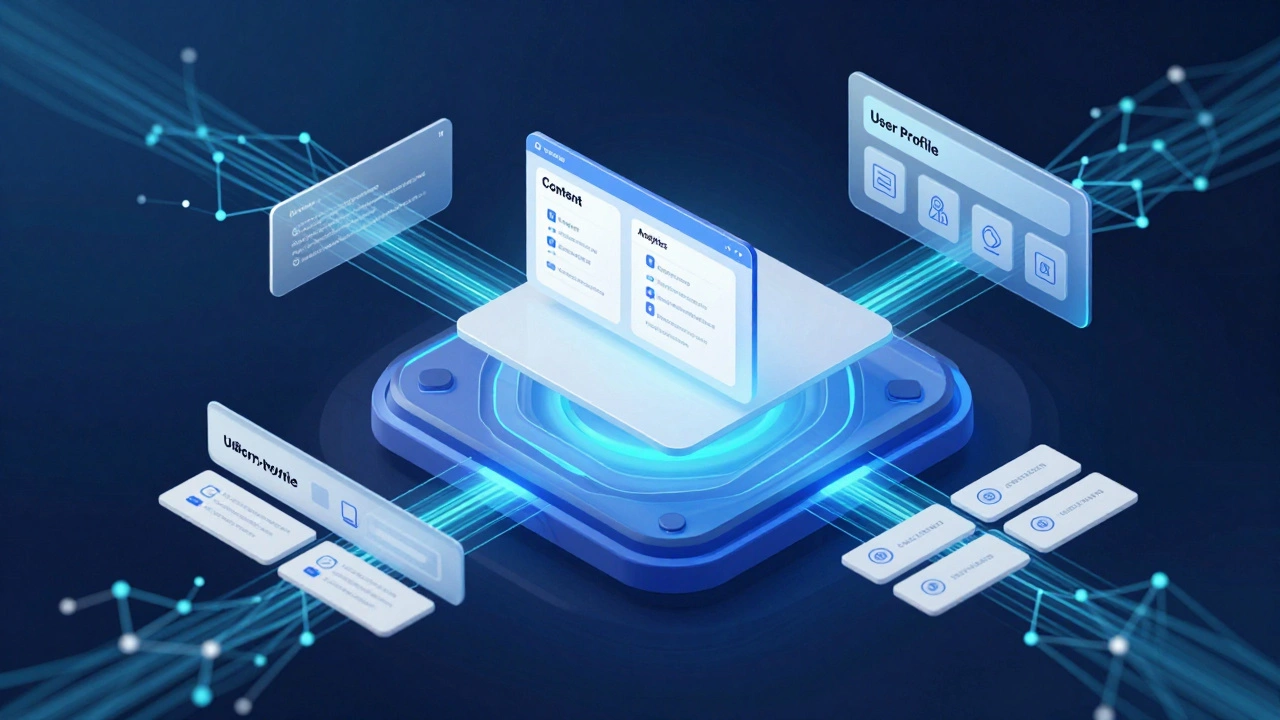
- Content Delivery: Hosting videos, PDFs, quizzes, and interactive modules.
- User Management: Handling logins, profiles, and permissions.
- Analytics: Tracking who watched what, how long they spent, and what they scored.
Without this structure, online education would just be a chaotic dump of YouTube videos. The platform adds the "school" part to the "online" part.
Why E-Learning Became the Standard
Before 2020, online learning was often seen as a secondary option. If you wanted a real degree, you went to campus. Then came the global pandemic. Schools closed overnight. Teachers had to figure out how to teach remotely using whatever tools they had. Zoom became the new classroom, but it lacked structure. Enter dedicated Learning Management Systems (LMS).
An LMS is the engine behind most e-learning. It doesn’t just stream video. It organizes the curriculum. It sends reminders when homework is due. It grades multiple-choice tests automatically. This automation saves teachers hundreds of hours. According to recent industry reports, over 90% of higher education institutions now use some form of LMS. This isn’t a trend; it’s the new normal.
For businesses, the stakes are even higher. Companies need to train thousands of employees across different time zones. Sending everyone to a seminar room is impossible. A digital platform allows a company in New York to update safety protocols for workers in London, Tokyo, and Sydney simultaneously. Everyone gets the same information at the same time. This consistency is why corporate training budgets shifted heavily toward digital solutions.
Key Features of Modern Learning Platforms
Not all digital platforms are created equal. Some are basic file repositories. Others are immersive ecosystems. When evaluating a platform, look for these core features:
- Mobile Responsiveness: Can students learn on their phones during a commute?
- Interactive Elements: Does it support quizzes, polls, and discussion forums?
- Integration Capabilities: Does it connect with calendar apps, email systems, and payment gateways?
- Accessibility Standards: Does it support screen readers and captions for hearing-impaired users?
Take accessibility, for example. A truly inclusive platform ensures that a visually impaired student can navigate the interface using only keyboard commands. This isn’t just nice to have; in many countries, it’s the law. Platforms that ignore this exclude a significant portion of potential learners.
Another crucial feature is gamification. Humans are wired to seek rewards. Platforms that incorporate badges, leaderboards, and progress bars tap into this psychology. A study by the University of California found that students engaged with gamified elements completed 30% more coursework than those who didn’t. It turns studying into a game where winning means learning.
Popular Examples in the Market
If you’ve ever taken an online course, you’ve likely used one of these major players. Each serves a slightly different audience.
| Platform Name | Primary Use Case | Best For | Cost Model |
|---|---|---|---|
| Coursera | University-level courses | Professionals seeking certifications | Subscription/Per-course |
| Khan Academy | K-12 foundational learning | Students needing tutoring support | Free (Non-profit) |
| Udemy | Skill-based micro-courses | Hobbyists and career switchers | Pay-per-course |
| Canvas LMS | Institutional management | Schools and universities | Licensing fee |
Coursera partners with top universities like Yale and Stanford. You pay for the credential. Udemy is more like a bazaar. Anyone can upload a course, so quality varies, but prices are low. Khan Academy is purely educational, funded by donations, aiming to provide free world-class education to anyone, anywhere. Canvas is the backend system used by schools to manage grades and assignments.
Choosing the right one depends on your goal. Want a degree? Look at Coursera or edX. Want to learn Python coding for fun? Udemy might suffice. Are you a teacher managing a class? You need Canvas or Blackboard.
The Role of AI in Digital Learning
Artificial Intelligence is changing how these platforms work. In the past, if you struggled with a concept, you were stuck until the next office hour. Now, AI-driven tutors can identify your weak points in real-time. If you keep getting algebra questions wrong, the system adapts. It gives you simpler problems to build confidence, then gradually increases the difficulty.
This is called adaptive learning. It personalizes the experience for every single user. No two students follow the exact same path. One might breeze through history but struggle with math. The platform adjusts accordingly. This level of customization was impossible in a lecture hall with 300 students. Now, it’s standard in premium e-learning tools.
AI also helps instructors. Automated grading frees up teachers to focus on mentorship. Chatbots handle routine questions like "When is the deadline?" allowing humans to answer deeper academic queries. This efficiency makes large-scale education sustainable.
Challenges and Limitations
Despite the benefits, digital platforms aren’t perfect. The biggest issue remains engagement. Watching a video is passive. Doing homework requires active effort. Many students start courses with enthusiasm but drop out within the first week. The lack of face-to-face accountability plays a huge role here.
There’s also the digital divide. Not everyone has high-speed internet or a reliable laptop. In rural areas or developing regions, accessing these platforms can be difficult. A platform is only as good as the device connecting to it. Governments and NGOs are working to bridge this gap, but it remains a significant barrier to true global education equity.
Additionally, information overload is real. With millions of courses available, choosing the right one can be paralyzing. Users often suffer from "analysis paralysis," spending more time browsing than learning. Curated directories and recommendation algorithms help, but the burden of choice still falls on the learner.
For those interested in exploring diverse digital resources beyond education, understanding how online directories organize information can be useful. For instance, specialized platforms like this directory demonstrate how niche markets utilize similar structural principles-categorizing listings, verifying details, and facilitating direct contact-to serve specific user needs efficiently.
Future Trends in Online Education
Where is this going? Virtual Reality (VR) and Augmented Reality (AR) are the next frontier. Imagine medical students practicing surgery in a VR environment before touching a real patient. Or engineering students walking through a 3D model of a bridge they designed. These immersive technologies make abstract concepts tangible.
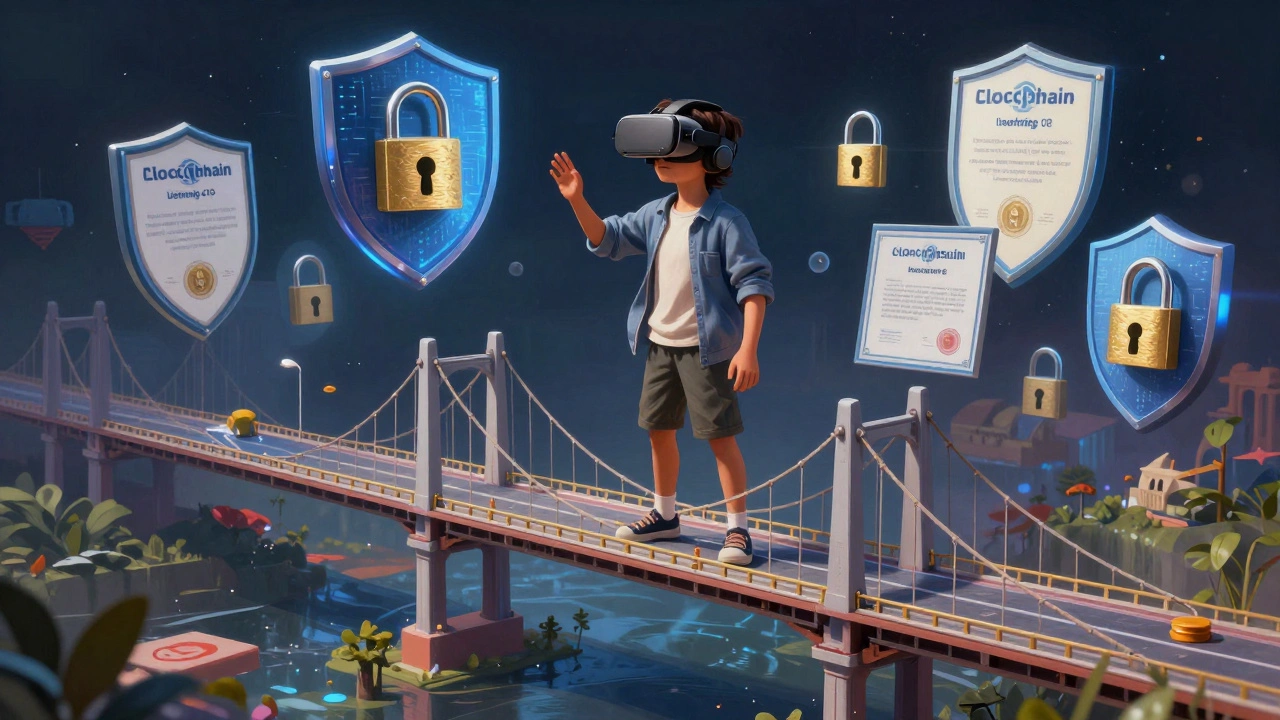
Blockchain is another emerging tool. It can verify credentials securely. Instead of mailing transcripts, universities could issue degrees on a blockchain. Employers could instantly verify that a candidate actually earned their certificate. This reduces fraud and speeds up hiring processes.
Micro-credentials are also gaining traction. Instead of four-year degrees, employers are accepting stackable certificates. You learn one skill, get certified, add it to your resume, then move to the next. This modular approach fits better with the fast-paced modern workforce. Lifelong learning is no longer a buzzword; it’s a necessity.
How to Choose the Right Platform for You
If you’re a student, start with your goals. Do you need a formal degree or just a new skill? Check reviews. Look for platforms with active communities. A forum where you can ask questions is invaluable. Also, check the refund policy. If the course isn’t what you expected, can you get your money back?
If you’re an educator or business owner, consider scalability. Will the platform crash if 1,000 users log in at once? How easy is it to upload new content? Integration with existing tools is key. If your team uses Slack, does the platform send notifications there? Don’t underestimate the importance of user interface. If it’s confusing, people won’t use it.
Budget matters too. Free platforms often have ads or limited features. Paid platforms offer support and advanced analytics. Calculate the return on investment. If a $50 course leads to a job promotion worth $5,000, it’s a bargain.
Conclusion: Embracing the Digital Shift
Digital platforms have transformed education from a place you go to a service you use. They democratize knowledge, making it accessible to anyone with an internet connection. While challenges like engagement and access remain, the benefits outweigh the drawbacks. As technology advances, these platforms will become smarter, more immersive, and more personalized.
The question isn’t whether to use a digital platform. It’s which one fits your needs best. Whether you’re learning to code, preparing for a government exam, or pursuing an MBA online, the right tool can make all the difference. Take your time to explore. Read reviews. Try free trials. Your future self will thank you for investing in the right digital foundation.
What is the difference between an LMS and an e-learning platform?
An LMS (Learning Management System) is a type of e-learning platform focused on administration, tracking, and reporting. It’s used by institutions to manage courses. An e-learning platform is a broader term that includes LMSs but also covers marketplaces like Udemy or Coursera where users buy individual courses. All LMSs are e-learning platforms, but not all e-learning platforms are LMSs.
Are online degrees respected by employers?
Yes, especially if they come from accredited institutions. Many top universities now offer fully online degrees that are identical to their on-campus versions. Employers care more about the accreditation and the skills learned than the delivery method. However, networking opportunities may be fewer, so students must proactively build connections.
Which platform is best for beginners?
Khan Academy is excellent for K-12 subjects due to its free, structured lessons. For professional skills, LinkedIn Learning offers bite-sized courses with clear beginner paths. Udemy is good for hobbyists because you can pick specific topics without committing to a full curriculum. Start with free options to test your interest before paying.
Do I need high-speed internet for e-learning?
Ideally, yes. Video streaming requires stable bandwidth. However, many platforms allow you to download content for offline viewing. This is helpful for students with intermittent connections. Text-based courses require minimal data. Check if the platform supports offline mode if your internet is unreliable.
Can I earn a certificate from free platforms?
Some free platforms like Khan Academy offer completion badges, but they aren’t formal certifications. Platforms like Coursera and edX often let you audit courses for free, but you must pay to receive a verified certificate. Always check the pricing model before starting if a certificate is important for your career.