What Is the Difference Between Programming and Coding?
Programming vs Coding Quiz
Question 1: What is the main difference between programming and coding?
Question 2: Which of these is an example of coding rather than programming?
Question 3: What does programming include that coding does not?
Question 4: What would you need to be a software engineer (as opposed to just a coder)?
Question 5: Which of the following is a good way to start thinking like a programmer?
Question 6: In a large software team, what might a "coder" do?
Question 7: What is the main value of learning programming versus just learning coding?
Your Score: 0/7
People often use the words programming and coding like they mean the same thing. If you’re new to tech, it’s easy to think they’re interchangeable. But they’re not. And understanding the difference matters-especially if you’re signing up for a coding class or trying to figure out where to start your journey into tech.
Coding is just one part of programming
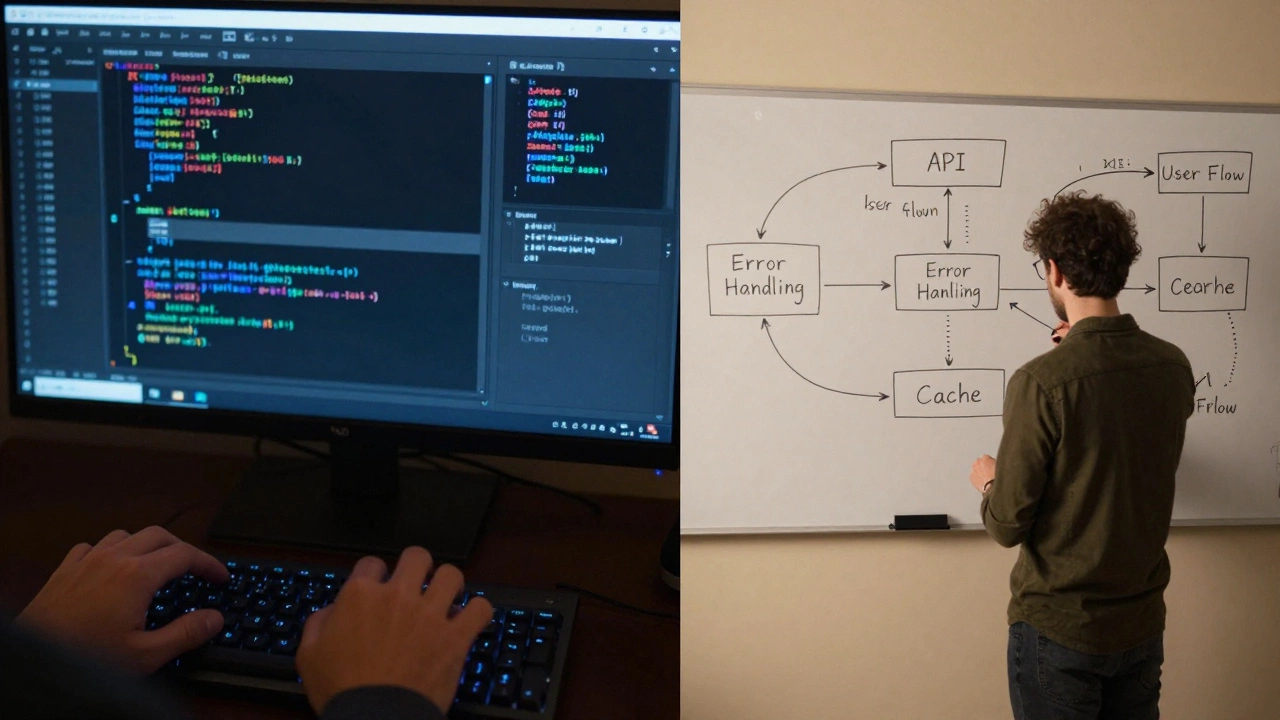
Coding is the act of writing instructions in a language a computer can understand. It’s typing out lines of Python, JavaScript, or Java. Think of it like writing down a recipe. You’re translating human ideas into precise commands: “if the user clicks this button, show the login form.” That’s coding.
But here’s the catch: coding doesn’t tell you why you’re writing those lines. It doesn’t explain whether the login form should come before or after the password field. It doesn’t decide if the system should handle 10 users or 10,000. That’s where programming comes in.
Programming is the whole process
Programming is the entire job of building software. It starts with understanding the problem. Maybe users can’t find the checkout button on an e-commerce site. Maybe a hospital needs a system to track patient appointments without double-booking. A programmer figures out the best way to solve that.
Then comes planning: What tools do you need? What data will you store? How will it scale? How do you test it? How do you fix it when it breaks? Only after all that do you sit down and write the code.
Think of it like building a house. Coding is laying the bricks and nailing the boards. Programming is designing the blueprint, checking the soil, getting permits, deciding where the windows go, and making sure the roof won’t leak in a storm.
Who does what in real projects?
In a small startup, one person might do both. They’ll think through the problem, sketch out the flow, and write the code-all in one day. But in bigger teams, roles split up.
A software engineer (programmer) talks to clients, defines features, writes technical specs, and designs the system architecture. They might not touch the keyboard for days while they’re mapping out how data moves between servers.
A junior developer (coder) gets handed a clear task: “Add a dark mode toggle to the settings page.” They write the CSS and JavaScript. They don’t need to know why dark mode was requested. They just need to make it work.
That’s why you’ll hear people say, “I’m learning to code,” when they’re really just learning syntax. But if you want to build real software-apps that solve problems, not just examples that run on a screen-you need to learn programming.
What do coding classes actually teach?
Most beginner coding classes focus on syntax. You learn how to write a for-loop in Python. How to declare a variable in JavaScript. How to use if-else statements. That’s all coding.
But the best coding classes don’t stop there. They show you how to break down problems. How to debug when your code doesn’t work. How to read error messages. How to test your solution with different inputs. That’s programming.
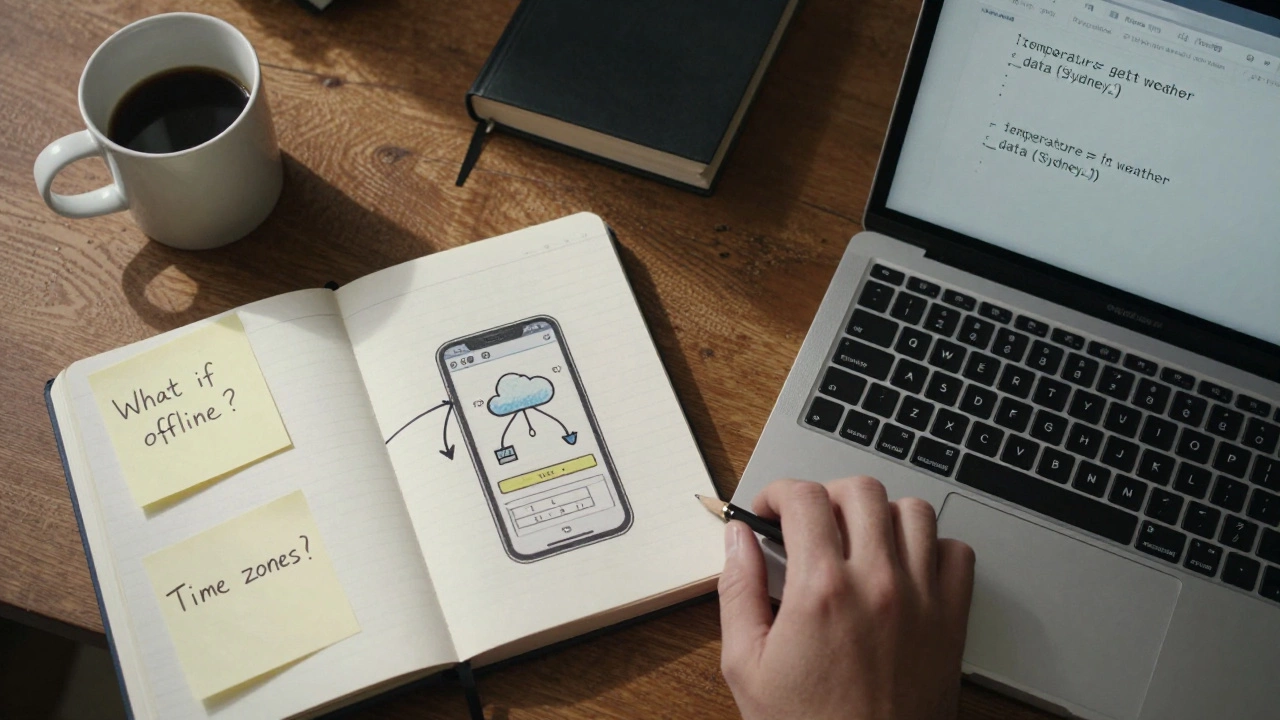
Take a class that asks you to build a to-do list app. If it just tells you to copy code from a tutorial, it’s teaching coding. If it asks you to design the app’s structure-how tasks get saved, how users can edit or delete them, how the app behaves when offline-that’s teaching programming.
Why does this matter for your learning path?
If you think coding is all you need, you’ll hit a wall fast. You’ll memorize syntax but struggle when asked to build something new. You’ll copy-paste solutions from Stack Overflow without understanding why they work-or why they break.
Programming teaches you how to think like a problem-solver. It teaches you how to ask the right questions: “What’s the user trying to do?” “What could go wrong?” “Is there a simpler way?”
That’s why employers don’t just hire coders. They hire programmers. People who can take vague ideas and turn them into working systems.
Real-world examples
Let’s say you want to build a weather app.
Coding is writing the line: temperature = get_weather_data("Sydney")
Programming is deciding:
- Where do you get the weather data from? (API? Local sensor?)
- What if the internet is down? Do you show cached data?
- How do you handle time zones for users in different cities?
- Do you cache results to reduce server load?
- How do you test this when it’s sunny in Sydney but rainy in Melbourne?
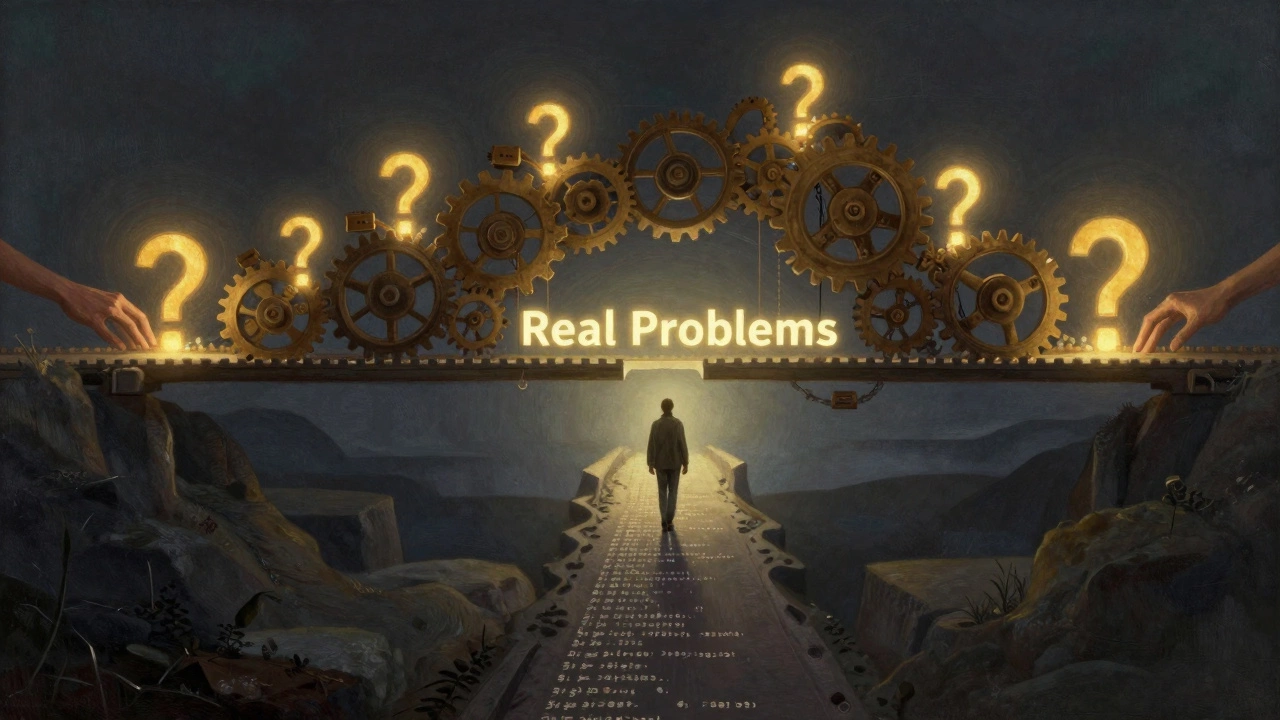
The coding part is simple. The programming part? That’s where the real work lives.
How to start thinking like a programmer
Here’s how to move beyond just coding:
- Always ask why before you write code. Why is this feature needed? Why this approach?
- Break problems into smaller pieces. Can you solve one part first? Then another?
- Write down your plan before you open your editor. Sketch it on paper if you need to.
- Test your code with edge cases. What happens if the user types nothing? What if the server takes 10 seconds to respond?
- Read other people’s code-not to copy it, but to see how they solved problems.
It’s not about writing more code. It’s about writing better thoughts in code.
Bottom line
Coding is typing. Programming is thinking.
You can learn to code in a weekend. Learning to program takes months-or years. But once you do, you’re not just following instructions. You’re creating solutions.
If you’re in a coding class and you’re only learning syntax, ask your instructor: “How do we solve real problems with this?” That’s the difference between knowing how to write a function-and knowing why it matters.
Is coding the same as programming?
No. Coding is writing lines of code in a programming language. Programming is the entire process of solving a problem with software, which includes planning, designing, testing, and yes-coding. Coding is a step within programming, not the whole thing.
Can you be a programmer without knowing how to code?
Not really. You can design systems, write specs, and manage projects without writing code yourself-but if you’re called a programmer, you’re expected to be able to write and understand code. Most professional programmers do both. You can’t solve technical problems without knowing how the tools work.
Which should I learn first: coding or programming?
Start with coding. You need to understand the basics of a language before you can build anything. But don’t stop there. As soon as you can write a simple program, start asking why things work the way they do. That’s when you begin programming. The goal is to move from typing instructions to solving problems.
Do companies care about the difference?
Yes. Job titles like "Junior Developer" often mean you’ll do mostly coding tasks. But "Software Engineer" or "Developer" roles expect you to understand the full lifecycle: requirements, architecture, testing, deployment. Employers want people who can think, not just type.
Can I learn programming without taking a class?
Absolutely. Many programmers are self-taught. But classes help if they focus on problem-solving, not just syntax. Look for courses that give you real projects-like building a budget tracker or a simple game-with room to make mistakes and rethink your approach. That’s where programming skills grow.