Is Online Learning the Same as eLearning? Here's the Real Difference
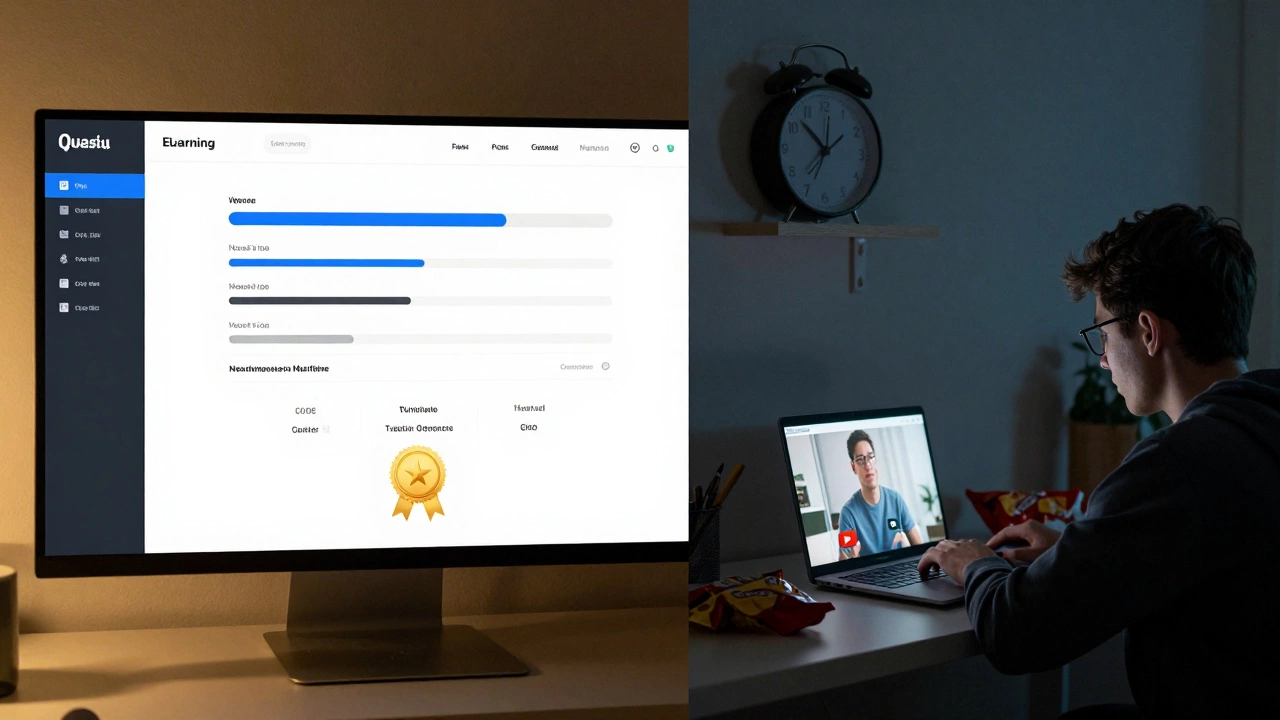
eLearning Validation Tool
Use this tool to determine if a learning program meets true eLearning standards. Check the criteria that apply to what you're evaluating.
Check the Criteria
Why This Matters
True eLearning follows pedagogical design with assessments, feedback loops, and progress tracking. Basic online learning might just be content delivery without these elements. Choose carefully based on your learning goals.
People use the terms online learning and eLearning like they mean the same thing. But they don’t. And mixing them up can lead to bad choices - whether you're picking a course, choosing a platform, or trying to understand what your kid’s school is offering.
Think of it like this: all eLearning is online, but not all online learning is eLearning. Sounds confusing? Let’s break it down with real examples.
What Exactly Is eLearning?
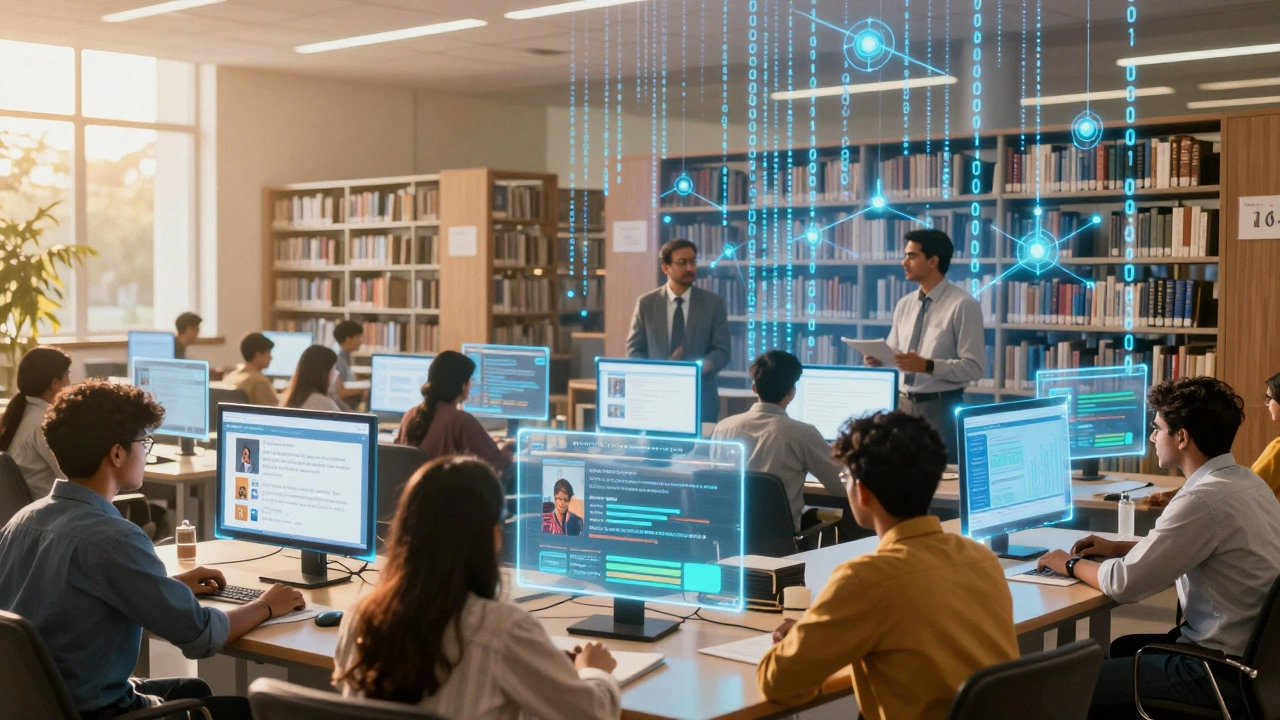
eLearning - short for electronic learning - is a structured, technology-driven method of teaching and learning. It’s not just watching a video or joining a Zoom call. It’s designed with learning objectives, assessments, feedback loops, and often follows a curriculum built by instructional designers.
Take Coursera or Udemy. When you sign up for a course like "Python for Beginners," you don’t just get a video. You get quizzes after each module, peer-reviewed assignments, discussion boards, progress tracking, and a certificate at the end. That’s eLearning. It’s built around how people actually learn - not just how content is delivered.
According to a 2025 report by the Global eLearning Market Council, over 72% of professional eLearning platforms use adaptive learning engines that adjust content based on your performance. That’s not something you get from a random YouTube tutorial.
What Is Online Learning?
Online learning is broader. It’s any kind of education that happens over the internet. That includes:
- A high school student joining a live class via Google Meet
- A parent watching a YouTube video on how to fix a leaky faucet
- A university professor streaming a lecture from their home office
- A Reddit thread where someone explains how to balance a checkbook
None of these need to be designed with pedagogy in mind. No quizzes. No feedback. No progress tracking. Just information being shared online.
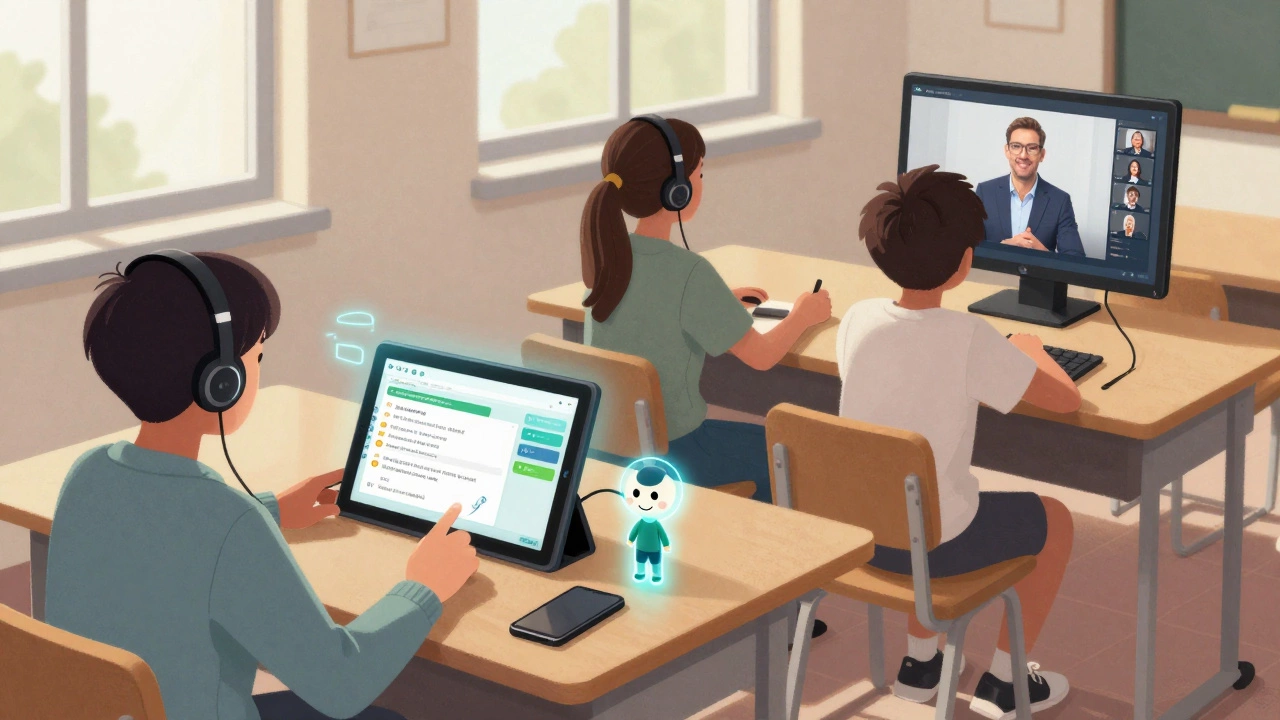
During the pandemic, schools rushed to "go online." But most didn’t build eLearning systems. They just moved their classroom - chalkboards, homework, bell schedules - onto Zoom. That’s online learning. It’s the same content, same structure, just delivered differently.
Key Differences at a Glance
| Feature | eLearning | Online Learning |
|---|---|---|
| Design | Instructionally designed with learning outcomes | Often just content uploaded with no structure |
| Assessments | Quizzes, assignments, exams, feedback loops | Rare or nonexistent |
| Tracking | Progress tracked, certificates issued | No formal tracking |
| Interactivity | Discussion forums, peer review, AI feedback | Usually one-way (video or text) |
| Platform Examples | Coursera, edX, LinkedIn Learning, Moodle | YouTube, Twitch, Zoom lectures, Facebook groups |
Why the Confusion Exists
The terms got tangled because of how we use them. Companies market "online courses" when they mean eLearning. Schools say they offer "online classes" when they’re just live-streaming lessons. The media uses both interchangeably.
But here’s the problem: if you’re an adult trying to upskill, and you sign up for what you think is "eLearning," only to find out it’s just a 30-minute video with no quiz or support - you’re going to quit. And you’ll blame yourself.
Or worse - if you’re a parent choosing a program for your child, and you assume "online learning" means the same as what the school district calls "eLearning," you might pick a program that doesn’t track progress or offer feedback. That’s not learning. That’s just watching.
What to Look For
If you want real learning - not just access to content - here’s what to check:
- Is there a clear learning path? (e.g., "Complete Module 1 → Take Quiz → Move to Module 2")
- Do you get feedback? Not just "correct/incorrect," but actual comments on your work?
- Is there a certificate or credential at the end? (Real ones are verifiable)
- Does the platform use adaptive tech? (e.g., "Based on your quiz score, we’re recommending this next lesson")
- Are there peer interactions or instructor support?
If the answer to most of those is "no," you’re not getting eLearning. You’re getting online content. And that’s fine - if you just want to learn something casually. But if you’re aiming for a promotion, certification, or degree, you need the real thing.
Real-World Examples
Let’s say you’re a nurse in Sydney trying to get your wound care certification. You find two options:
- Option A: A free YouTube playlist with 12 videos on wound dressing. No quiz, no feedback.
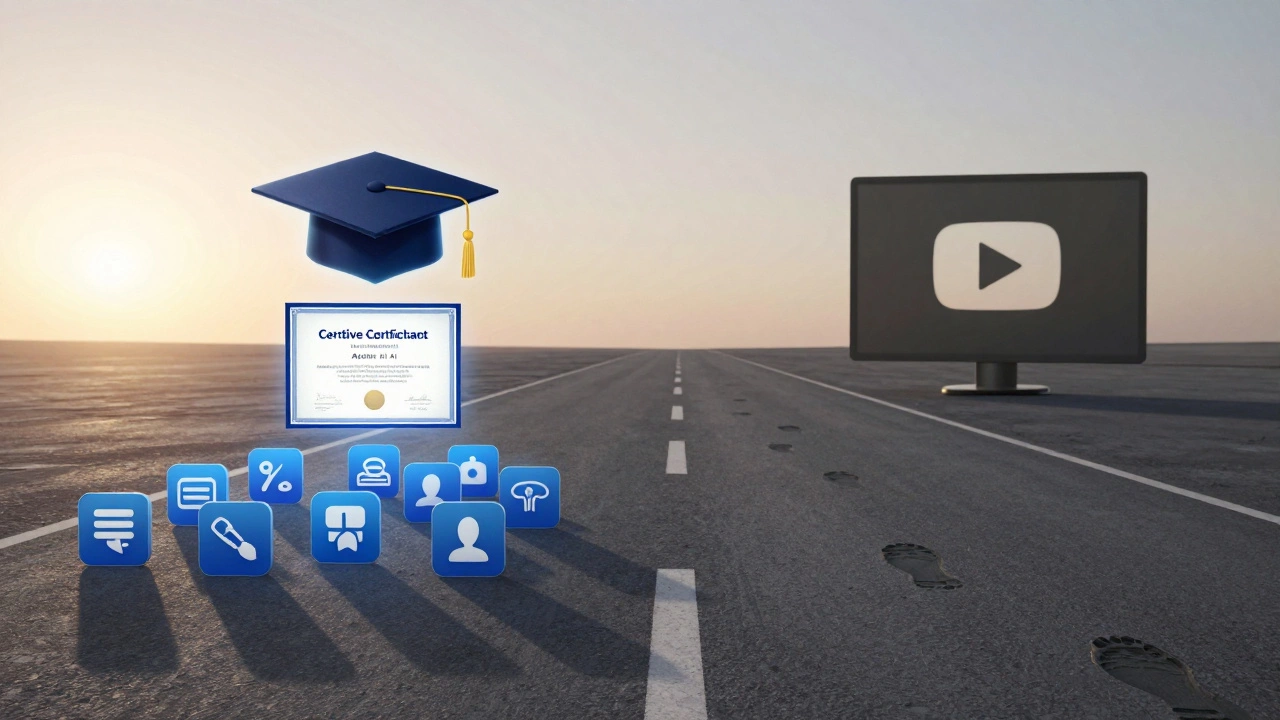
- Option B: A course on a recognized eLearning platform like FutureLearn. It includes video modules, a simulation lab, a final exam, and a printable certificate accepted by Australian health boards.
Both are "online." But only one is eLearning. One helps you advance. The other just fills time.
Same goes for students. A 15-year-old in Perth might join a live Google Classroom for math. It’s online. But if they’re not getting personalized feedback, adaptive practice, or progress reports - it’s not eLearning. It’s just a digital version of the same old classroom.
The Bottom Line
eLearning is a system. Online learning is a channel.
One is built to teach. The other is built to broadcast.
If you’re paying for education - whether it’s for yourself, your child, or your job - don’t settle for just being online. Demand the structure, the feedback, the tracking. That’s what turns scrolling into learning.
And if you’re designing a course? Stop calling your YouTube playlist "eLearning." You’re not fooling anyone - and you’re misleading learners who deserve better.
Is eLearning the same as distance learning?
eLearning and distance learning are related but not the same. Distance learning means education delivered remotely - regardless of the technology. It could be mailed textbooks, phone calls, or TV broadcasts. eLearning specifically uses digital platforms with interactive elements like quizzes, feedback, and tracking. So all eLearning is distance learning, but not all distance learning is eLearning.
Can I get a recognized certificate from online learning?
Only if it’s eLearning. Platforms like Coursera, edX, and LinkedIn Learning partner with universities and issue verifiable certificates. Free YouTube tutorials or unstructured Zoom sessions don’t offer accredited credentials. Always check who’s behind the certificate - if it’s a private company with no accreditation, it’s likely not recognized.
Do all eLearning platforms cost money?
No. Many eLearning platforms offer free courses - like those from MIT OpenCourseWare or Khan Academy. But free doesn’t mean low quality. The key is whether they include assessments, feedback, and progress tracking. A free course with quizzes and a certificate is still eLearning. A free video with no interaction is just online content.
Why does it matter if my child’s school calls their Zoom classes "eLearning"?
It matters because expectations are wrong. If parents and students think "eLearning" means personalized, adaptive, and feedback-driven education, but the school is just streaming lectures, learning gaps widen. True eLearning adjusts to the student. Basic online teaching doesn’t. Confusing the terms hides the real issue: lack of engagement and support.
Are apps like Duolingo considered eLearning?
Yes. Duolingo uses spaced repetition, adaptive lessons, quizzes, streak tracking, and feedback - all hallmarks of eLearning. It’s designed around how memory and learning work. That’s why it’s more effective than just watching language videos on YouTube. It’s structured learning, not just content.